THE CANNABIS THREAD 101!!

why-you-should-keep-growing-marijuana-at-home.jpg

Home Improvement: Why You Should Breed Your Own Unique Cannabis Strains

Whenever I conduct accounting for my cannabis business and see my dire financial straits written down on paper, I can easily be discouraged, often entertaining the thought of changing careers altogether.

My average yearly profits from growing cannabis hover around $29,000. After I take care of such necessities as my house payment, property taxes, car repair, food and clothing, little if anything is left over.

I don’t go out to eat. Haven’t been to a movie theater in years. I’m wearing clothes I bought years ago, and my car is an old clunker.

I’m not getting rich on $29,000 a year in grow profits. And even that figure isn’t guaranteed. If I experience a grow-room disaster from spider mites or botrytis or an unfortunate weather event, I might end up with no money at all. I don’t have any savings, and my only asset is my home, which isn’t worth much. And I owe money on it.

No matter how stoned I get, I still worry about how or if I’ll ever reach the financial critical mass my dad had been telling me about ever since I was young.

Dad’s sage advice was that a person who wants a safe, secure middle age and retirement should have achieved a specific baseline of assets, investments and wealth by the age of 50 or 55.

This minimum baseline includes owning two homes outright — one to live in and one that generates rental income. You should have no debts, and at least $500,000 in savings, along with some interest-bearing investments.

You should have paid into social security, or a pension or retirement fund that’ll give you a monthly stipend, should you decide to stop working or be forced to do so because of old age or a layoff.

Unless you achieve financial independence, you could end up as the proverbial hamster running in the treadmill, working into your 60s, even 70s.

I know people in poor health in their late 70s who are Walmart greeters. They live in tiny apartments, with no hope of retirement.

They will, literally, work until the day they drop dead.

But when I contemplate my ability to generate income growing cannabis at home, I have my future in mind.

1.Growing Cannabis I Love Makes Personal Sense, And Therefore Financial Sense
Some people ask me if it’s all worth it — to work hard and worry about being busted, all for a measly $29K a year. Believe me, I’ve spent many sleepless nights asking myself that same question.

And yet I keep growing.

Perhaps the main reason is that I grow weed that’s better than anything I could buy anywhere else in my region. Over the years, I’ve invested in rare cannabis cuttings and landrace seeds, and even though I’m no strain-breeding genius, I know enough to make interesting crosses, choose phenotypes, and backcross to make marijuana varieties nobody else has.

But the fact that I’ve made my own unique strains isn’t the only benefit of breeding — it’s that I’ve made strains that give me the kind of high and medicinal effects I want.

Most cannabis consumers engage in a psychoactive gamble whenever they ingest weed. They get the effects that the bud’s cannabinoids and terpenoids deliver; it’s hit or miss as to whether all those effects are what the consumer is after.

I want cannabis that stimulates me, helps me be creative, and enhances my enjoyment of life. You could go to the legal dispensaries with the biggest weed menus and not be sure that the high you get is the high you want.

Because I’ve carefully studied my plants and phenotypes and bred in what I want and bred out what I don’t want, I get the exact high I desire. And if I want a particular high I can’t find elsewhere, chances are customers will also want that same particular high.

That kind of psychoactive customization isn’t going to happen for you unless you take control to grow and breed your own unique cannabis strains.

2. Growing My Own Cannabis To Ensure Crop Purity
Regardless of whatever testing and regulatory scheme a legalized cannabis state has in place, I didn’t grow the weed or make the concentrates sold at licensed dispensaries, so I can never be sure if the processes used to grow or manufacture the product are 100-percent safe.

According to the Cannabis Safety Institute’s 2015 white paper, titled “Pesticide Use on Cannabis”:

Pesticide residue on retail Cannabis products is often found at levels exceeding the allowable levels on any agricultural product.

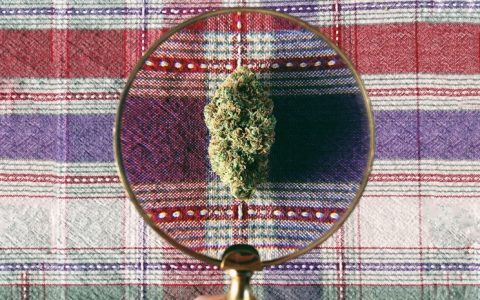
Using magnifiers, I’ve examined dispensary bud and concentrate and seen such contaminants as animal hair, ashes, human hair, insect bodies, dirt, mold spores and powdery mildew.

I possess a finely-tuned palette and can detect by taste and smell when dispensary weed is contaminated, improperly dried and cured, or when concentrates retain residue of hexane, alcohol, butane, and solvents used to extract cannabinoids and terpenoids from whole bud.

Worse yet, many cannabis nutrients brands are guilty of contaminated or improperly stored products that transfer harmful heavy metals directly into crops, while unscrupulous growers use toxic pesticides, bud boosters, fungicides and mildewcides on their plants during flowering. When it’s time to harvest, these harmful substances are often present in plant tissue.

How can you be sure that buds and concentrates you’re consuming are 100-percent pure and safe? Simple: By producing them yourself using the cleanest, safest grow-room procedures, nutrients and materials.

3. Timing My Cannabis Harvest To Ensure The High I Crave
Getting the high or outcome you want from the cannabis you grow goes beyond breeding proprietary seeds and strains. It also comes down to when you harvest. Instead of examining the seed catalogue, which may note that the strain is ready for harvest after 56 days in bloom phase, you can practice incremental harvesting, where you ingather small amounts of bud from your plants as they ripen. If the strain is customarily ready for harvest at 60 days, you’re likely to enjoy an array of tastes, scents and highs when you harvest at days 52, 56, 60 and 64, respectively.

This has been a lifesaver for me when I was growing couch-lock Kush and indica strains with customers in mind, although I personally dislike that sort of heavy high. For that reason, I harvest some buds for myself earlier to get a more stimulating high, while allowing most of the plant to continue ripening to create the knockout Kush and indica punch that so many of my customers crave.

This works in the opposite direction, too. I’ve grown sativas, sampled them at the recommended harvest time, and found them so speedy that they made me anxious, paranoid and sleepless. By allowing them to go past ideal harvest time so the buds are overripe, some of the THC degrades to CBN, and more CBD develops, creating a high that I find less jarring.

4. Growing Cannabis To Enhance Genetic Diversity
Breeding cannabis means growing from non-feminized strains and sometimes from clones, so you combine genetics to get the phenotypes you desire.

Breeding unique cannabis strains — instead of growing only from standardized clones or common, popular feminized seeds — contributes to the heterogeneity of the cannabis genetic lineage.

Widespread genetic diversity is the best way to ensure a plant species can survive the pests and diseases that are seeking to feast on it.

At-home growers enhance the genetic diversity of cannabis so the species can resist the likes of gray mold, fusarium, powdery mildew and spider mites.

Perhaps one of the worst things about industrial agriculture is that it relies on a narrow set of genetic precursors for most of the world’s staple crops. Lack of genetic variation means that plants haven’t the complement of genes necessary to fight off attackers. Crop predators, which evolve rapidly and with laserlike precision, will more easily find the weaknesses in genetically stale monocrops and consequently destroy them.

This is the case for many Big Ag crops, but perhaps the most well-known among them is the banana. The ubiquitous Cavendish bananas we know today are the result of industrial monocrop breeding that leaves this variety of the fruit susceptible to fusarium wilt (a terrible disease that also kills cannabis) and other diseases. Now, researchers are predicting the lack of genetic variation in bananas will mean their eventual extinction.

If cannabis becomes an industrial commodity — that is, fewer home-based cultivators growing from seed and from rare clones — with most cannabis produced on an industrial assembly line, then genetic diversity will decrease, with monocrop cannabis being more vulnerable to pests and diseases.

5. Growing Cannabis Teaches You How To Nurture
Evolutionary biology and sociobiology instills in humans the need to nurture, to see an organism start out vulnerable, and with our care, love and effort, grow into fruitful maturity.

Some people have children to nurture, while others prefer pets.

Of course, cannabis plants won’t come squealing, purring, barking, grunting or tail wagging at you with love in their eyes. And unless you’ve inhaled some seriously hallucinogenic bud or eaten a mind-bending edible, your plants won’t appear to be as animated as our furry friends.

The process of caring and nurturing your cannabis crop can be almost as fulfilling as when you nurture a child or a pet. In its own way, growing marijuana is challenging and requires intuition and love, because plants can’t easily tell you when they’re happy or sad. They don’t cry and scream, lay panting on the floor, or have watery eyes that indicate sickness or distress.

Cannabis plants communicate to you through the condition of their leaves, growth rate and vigor, and your best grow ops come when you tune into your plants and pay attention to what they’re trying to tell you.

The interesting, unique thing about nurturing cannabis is that you’re doing it symbiotically to feed your head. The love, care, grow medium, nutrients, light wavelengths, water, air and trimming you bestow upon your crop results in your plants giving you cannabinoids and terpenoids that enter your body, bond with your neuroreceptors, and change your thoughts, emotions, muscle tone, pain levels, moods and feelings.

Pets and children also enhance your feel-good chemistry via the dopamine and serotonergic systems activated by social interaction, but growing cannabis plants is a person-to-plant relationship different to any other nurturing relationship.

During the months when I shut down my grow op because it’s too hot outside, or I have to travel or have visitors arriving, I wake up in the morning and feel a void in my heart where my grow-op duties would be. Growing marijuana gives me something alive to care about and helps keep me whole.

6. Growing & Selling Cannabis Gives You Freedom
The lifestyle I lead as a grower helps me avoid things I dislike intensely, such as getting up early five days per week, putting on a uniform or corporate attire, commuting through teeth-grinding traffic to a cubicle or worksite where I’m trapped all day, dealing with office politics, or worrying about being fired.

Growing cannabis is a home-based business that isn’t making me rich, but it does give me independence. I have the personal freedom to arrange my days and nights so I do my gardening chores when I feel energetic, and can spend the remainder of my time resting and recharging.

By growing and selling cannabis, I’m doing my part in the fight against corporatism, the creeping takeover of employment and the necessities of life by large corporations that view everything and everyone as a commodity.

Unless black market and legal small-scale growers keep on growing weed, then Big Pharma, Big Tobacco and Big Marijuana will swoop in to dominate the weed market. One day, you might not be able to find seeds or clones, or even grow your own. The only place you’ll be able to get cannabis is to buy it from a conglomerate.

And yet, change is coming, and it’s not a change I welcome. A highly legislated cannabis industry is creeping ever closer to the state in which I live, and if it does come, my grow profits will shrink.

If and when that happens, I’ll have some big decisions to make. I couldn’t live on less than the $29,000 a year I currently earn growing and selling. However, until such time as cultivating cannabis is no longer a profitable option for me, I’ll keep growing for as long as I can.

So, here’s my message to home-based growers: If you’re feeling squeezed, dismayed by legalization, or not making enough money growing marijuana at this moment, take heart. Cannabis cultivation is an honorable, noble profession that makes the world a better, higher place.

Even if I quit growing and lived right next door to the world’s dankest recreational dispensary, I know I wouldn’t be able to buy the fresh, sweet buds from strains I’ve bred myself that give me the cannabis highs I love the most. And for that reason alone, growing is worth more than any monetary profits I earn.
 
women-of-color-talk-cannabis-community.jpg
Mary Pryor (Image courtesy of Cannaclusive)
Women On Top: Women Of Color Reveal All About Working In The Cannabis Industry

As more markets enter the cannabis industry, the social inequalities that exist in the United States workforce are likely to roll over into this new field. Indeed, the burgeoning industry is not immune to the domination of rich white men. It’s not immune to excluding people of color, especially women. But it doesn’t have to be this way.

Politicians are upping their game and talking more about legalization. New Jersey Senator Cory Booker introduced the Marijuana Justice Act to remove cannabis from the Controlled Substances Act as a scheduled drug. Booker’s move recently won the support of California Senator Kamala Harris, who tweeted May 10: “The fact is, marijuana laws are not applied and enforced in the same way for all people. That’s why I’ve signed onto @CoryBooker’s Marijuana Justice Act to make marijuana legal at the federal level. It’s the smart thing to do.”

The Congressional Black Caucus introduced the Jobs and Justice Act, which includes creating a “reinvestment fund for communities most impacted by the war on drugs.” New York gubernatorial candidate Cynthia Nixon has called for cannabis licenses to be a “form of reparations,” as pushed forward by The Movement for Black Lives.

Within the cannabis industry, women of color are paving the way for innovation, inclusivity and progress. Many have generational roots in the black market, which we don’t pay enough tribute to (even though what was and is underground helped shape the legal marketplace), as well as to cannabis-related incarceration. These women are bringing holistic approaches to nonprofits, health and wellness, tourism, media and entertainment, and more.

While it’s critical to understand the full picture of cannabis, which includes policing and prisons, it’s just as important to celebrate marginalized people. To help amplify their voices, Big Buds talked to 33 women of color working at some capacity in cannabis — whether it’s through a dispensary, publication or advocacy organization — about their favorite parts of the industry, as well as what and who inspires them. Here is what they had to say.

Women Of Color Making Waves In The Cannabis Community

The women of Zen & Kush, founded by Lizzy Jeff, aim to redefine cannabis stereotypes through performance and art. (Image courtesy of Zen & Kush)

“I enjoy meeting people and exposing them to the health and investment benefits in the cannabis industry. As someone who greatly benefits from [cannabis], I have found it to be extremely life changing. Excitement wise, I like meeting people that care about creating standards, advocacy for persons of color, and high-quality product. Believe it or not, it’s a small group.”

– Mary Pryor, co-founder of Cannaclusive

“Being able to talk openly and honestly about cannabis and it’s healing attributes has always been my favorite part of the industry. As someone who has always worked in the area of alternative healing, I am so grateful to be able to connect with others on how to approach using cannabis in the best way they can to heal themselves. Honestly, what excites me most about being in this industry is having honest conversations about plant prisoners. There are so many people of color who are unjustly imprisoned because of their connection with this plant, and I hope we can all rally around creating policy and protections for past and probably future plant prisoners.”

– Loretta Maps Bolt, founder of Cannatunes

“What excites me most about this industry are the endless possibilities. The fact that you can just pick up your skillset, place it right in cannabis, and potentially thrive from there is awe-inspiring. The newness of it all makes the terrain explorative, ever-changing, anxious, thus exciting. To be a part of this journey is more than can be asked for. I’m completely inspired by the moves being made by women in the industry right now. We are not letting this pass us by — in fact, we’re opting to take over. You can’t beat that with a stick!”

– Safon Floyd, co-founder and CCO of EstroHaze

“By far, my favorite part of the cannabis industry is seeing people healed by this sacred medicine. For us at the 99 High Tide, this is a daily occurrence. We have patients with so many varied ailments and illnesses, and after consulting with us and taking cannabis for even a short amount of time, we see them return like new people. Happy, healed, alive. It’s nothing short of miraculous how cannabis helps so many people with so many different issues.

“Being around this plant has always been one of my favorite parts as well. I love how beautiful cannabis is, how it smells, it’s vibrational energy. It is truly a sacred plant. I’m consistently inspired by the stories of healing that we see firsthand [from] patients and people and animals using cannabis. My mother is alive today because of cannabis.

“Continuing to help others is what inspires me. I also get very excited about the continuous healing applications of cannabis. It is never ending. Every day we hear of someone trying cannabis for something we hadn’t even heard of before and it miraculously helps them as well. We are dealing with a very powerful, benevolent spirit medicine, and this knowledge keeps me always standing up for this plant and for those who need its healing benefits.”

– Yvonne “99” DeLaRosa Green, co-founder/CEO of 99 High Tide Collective

“My favorite part about the industry is finding a way to educate someone new about cannabis each day. Making sure I find a way to incorporate it into any conversation speaks volumes toward my passion for the plant. I travel a lot, speaking about the future of activism and cannabis tourism, and more countries are coming on board each day. This excites me the most because I have new places to visit and explore. I love to immerse myself into the culture and learn about cannabis through local eyes. I’m always inspired to learn international legislation as well, so that I can create cannabis destination experiences that tourist and locals can enjoy alike.”

– Tanganyika “Tangy,” CEO of Jayn Green, director of outreach and development at Coral Cove Cannabis Health & Wellness Resort

“My favorite part [is] all the amazing people I have met who are so supportive of the work I do. The potential to create true social change through the creation of a new industry. Organizations like The Hood Incubator [a nonprofit aimed at empowering POC in cannabis]. Equity programs like the ones in Oakland, California and the state of Massachusetts. Cory Booker’s Marijuana Justice Act. All these things are aiming to empower communities that have suffered the worst of the war on drugs. While marijuana legalization isn’t going to solve this country’s problems with institutional racism and our criminal justice woes, it does present a huge opportunity to remedy decades of racially disparate drug enforcement.”

– Mona Zhang, founder and editor of Word on A Tree

“My favorite part of the cannabis industry is the innovation and creativity that exists in the space. This ingenuity and creativity is also what excites and inspires me in the industry. We are in the beginning stages of formalizing this industry, we can really make it what we want. People working in this space to make this industry unlike others, an inclusive and diverse space, is truly inspiring.”

– Amber E. Senter, director and co-founder of Supernova Women

“My favorite part about working in the cannabis industry is the community and camaraderie. Everyone in every sector is going through similar trials and tribulations regarding legalization, banking, compliance, etc., so we all share the burden. On the same token, we all have victories that are celebrated together. My success is my alliance’s success.

“Lucky Box Club is built on the idea that we are stronger together — with LBC being the common denominator. Seeing so many brands and companies delve into the unknown of legalization and reform is inspiring and, quite frankly, a labor of love. Love for the plant. For the medicine. For the patients. No one understands what a startup in the cannabis industry deals with until they actually dive in! I am grateful for the women’s groups that I’ve been invited into, and can’t wait to grow together.”

– Eliza Maroney, co-founder of Lucky Box Club

“I’m consistently inspired by people of color and women demanding their space in the cannabis industry. While the economy is expanding and becoming more sophisticated in its practice every single day, we’re still in a very infantile place in terms of legality. There’s time for our voices to be heard, expressed, and put into action. We’re demanding reform after years of inequality, oppression and prohibition, and it’s beautiful to see everyone come together for one common goal.”

– Shanel Lindsay, founder and president of Ardent Cannabis

“Working in the cannabis industry is amazing, it allows me to be my authentic self. I have always been good at whatever I was doing, but I feel good about what I am doing now, too! I am excited to help build and improve this industry through business and advocacy. I am inspired daily by the girls and women living their best lives, because this plant is healing them physically or mentally or creating business opportunities and generational wealth. Most importantly, I am inspired by the families and individuals affected by the war on drugs that now have the opportunity to live a better life without the burden of a cannabis conviction holding them back.”

– Shanita Penny, president of the board of directors for Minority Cannabis Business Association

“I’m very grateful to my formative years in the cannabis industry. In 2005, fresh out of journalism school, I learned how to grow and harvest cannabis, herbs and my own food. I developed strong entrepreneurial skills. I learned authentically what trust, loyalty and responsibility was. These elements of the cannabis industry are, combined, my favorite part. These are the values that I associate with the industry and hold to a high regard. Smoking, vaping, eating, and adorning my body with ganja is also high on my list of favorites.

“Justice delayed is justice denied. The judicial system punishes black and brown bodies for taking part in the same cannabis industry we’re speaking about right now. My initial feelings of anger have evolved into inspiration. I’m inspired to work toward fairness and inclusivity in this industry. What excited me? I’m excited about cultural linkages and enlightened human connection. I’m inspired to know that when we combine these with cannabis advocacy, we have the ability to heal ourselves as forms of self-care and self-preservation.”

Mennlay Aggrey, content and communication manager at Whoopi & Mayaand more

“My favorite part of working in the cannabis industry is knowing what parts of the industry I can recommend to those adversely affected by outdated, draconian laws that prevented people of color from licensing and being employees. I first thought working in a dispensary would be great and highly recommended it, but quickly learned it’s identical to the retail environment but maybe worse: long hours and standing, poor communication and leadership, volatile customer moods, the lack of human resources, and nonexistent employee protections to name a few. I’d like to encourage ownership, but know now that the responsible thing to do along with that is also [encourage] access and resources to great business practices and financial literacy.

“Being a voice for the youth has been super powerful and humbling at the same time. I’m always the youngest and least educated (no college degree), African-American female speaker on the panel — sharing my story in the cannabis space, my career thus far, and the importance of holding public servants accountable. Representation matters, so now in a few years there will be much younger black women speaking out about injustices that have affected them and someone they know and love that they could not just sit by and allow any further.

“Since I’ve started, I want to make being involved in your community look cool, easy and fun! Social media has been my outlet and I’ve been fortunate enough to not only activate the youth, but [also] adults [with] the importance of civic engagement. I’ve never wanted to be the face of this movement but the catalyst, and encourage others to use their voice to create a culture shift.

I recently launched a company — Table or Menu, LLC, where I am holding organizations accountable for socially responsible initiatives, community organizing, and managing people in the marijuana and political space. I’ll be launching my first ever political campaign this weekend! I’m 25 years old! I also have the honor and privilege of a lifetime to manage a retired African-American female judge in the cannabis industry. The coalition we are building and the generational wealth we are about to inherit is only the start.”

Sabria Melina Still, community liaison for Table or Menu

“I really enjoy the creators who gather in this industry with the intention to embrace, educate and empower others. As a Nigerian reiki healer and cannabis sommelier, my work is already different in the typical aspect of what someone getting into the industry would normally gravitate toward. I came into this industry with the work I have been doing for almost a decade in the holistic and metaphysical community and was embraced with open arms.

“This industry helps you find your tribe. I am extremely inspired and excited about the women and the movement that is the Ganja Goddess Getaway! It is more than an all-inclusive women-only weed retreat in California, and now Oregon. It is a community of badass cannabis advocates, entrepreneurs and leaders who are smashing the parameters of what a ganja goddess looks like. With four more dates this year, I highly recommend a girls’ trip for the most fulfilling excitement you can experience at a weed event.”

– Maggie Murphy, founder and CEO of The Stoned Housewife

“My favorite aspect of working in the cannabis business is seeing the [industry] evolve and watching opportunities abound for everyone. I’ve been amazed at the rapidity of the maturation in the industry and the number of women taking significant roles in cannabis. The other factor I love is the camaraderie shown and felt between industry veterans and newbies. That is not common in other industries.

“What inspires and excites me is the ability to use my past executive corporate experience and my current entrepreneurial spirit to develop meaningful opportunities in cannabis. My organization specializes in food and beverage, and sees this industry at the cusp of becoming mainstream. Food and beverage have always brought divergent talents and interests together, and infused food and beverage will only take it to the next level.”

– Wy Livingston, president and CEO at Wystone’s World Teas

“I don’t work in the cannabis industry anymore. Now, I work for the cannabis industry. At least, that is the way I see it. I was fortunate to have the opportunity that I did to work at Farma, and to learn so much in a very short amount of time. Just being a budtender was never the goal, though. For me, budtending was a stepping stone to learning and then being able to take that knowledge and do something greater on behalf of the cannabis industry for the benefit of the community at large, and especially for communities of color. That’s what I’m doing now through story with High, Good People, my podcast about cannabis from the perspective of people of color. That is my favorite thing about being a part of the cannabis community!

We are definitely a minority, but the more I involve myself, the more I find people of color who are working in the cannabis industry or in areas adjacent to it. They aren’t regularly recognized, though. Or if they are, it is often in tokenizing ways. That frustrates me, but it also inspires me to do the work I’m doing. This way, I can give them space to share their experiences, and in turn, take away the excuse I’ve heard so often from would-be allies that they would include more people of color in their work if only they knew where to find them.”

– Tiara Darnell, producer and host of High, Good People

“I am passionate about re-educating the communities most affected by the war on drugs with the truth about cannabis, how and why it became illegal, as well as the benefits of positioning in this industry, whether as business owners, employees or investors. My mission is totally aligned and in line with my partners and that is to help level the playing field for minorities seeking entrance or expansion in the legal cannabis and hemp industry. I’m inspired seeing more minorities — namely, people of color, veterans, women and the LGBTQ communities waking up to the vast array of opportunities the legal cannabis and hemp industry offers.

“I’m extremely inspired knowing that [minority-focused business consulting firm] C.E. Hutton will touch many business owners, entrepreneurs and investors in these communities — and I get to be a part of that! I’m excited knowing that people who look like me, my diverse group of business partners, team members and colleagues, are making history in this industry. Some are speaking up for social justice, some for patient’s rights, others for our elderly, for our veterans, but all speaking up for equality and inclusion. That’s exciting!”

– Khadijah Adams, vice president and COO of C. E. Hutton

“My favorite part of working in the cannabis industry is the ‘we’re all in this together’ approach I encounter every day. Sure, there is some competition, but more often than not, everyone is warm, welcoming, and eager to partner with or simply support one another. Everyone seems to be working toward a similar vision of cannabis legalization in every state, easily accessible to those who need it, and just another natural remedy in our medicine chests.

“I’m excited by the possibilities for women in the cannabis industry. I believe that the window of opportunity will eventually close, but that right now, the cannabis industry is pretty wide open to anyone with an idea, a little creativity, and the desire to work hard and collaborate. I’m inspired by the women who are involved in the more technical side of cannabis — cultivation and manufacturing. The women with their own cannabis farms and the female cannabis scientists are awesome!”

– Aliza Sherman, CEO of Ellementa, publisher of HerCannaLife.com

“There are a few [favorites], but the top one is educating people about the benefits, while dispelling the myths (and there are many) about [cannabis]. I grew up believing it was a gateway to more addictive and dangerous drugs. I grew up when former President Nixon waged his war on drugs, classifying marijuana as a Schedule I drug. I believed it for one main reason: I had proof — or so I thought.

“When I was in high school, my middle brother overdosed on cocaine laced with PCP. He was rushed to the hospital in the middle of the night because he started convulsing and then he stopped breathing. The story ended well — he lived, but my parents used this as an opportunity to reinforce the ‘truth’ that pot is a gateway to more dangerous drugs. ‘Your brother was a pot smoker for years and he graduated to cocaine.’ I believed them.

“A few years later, I had an accident and injured my back. I was given the usual battery of drugs, Vicodin among them. I believed it was safe because my doctor prescribed it. I took Vicodin for 30 years for my back. In 2011, I was hired to write for a client about addiction and mental health. The more I researched and wrote about marijuana, I realized what I was told about pot was a big lie. But not just me; the world was duped. I read about the myriad medicinal benefits of marijuana and all I could think was, ‘How is it possible something so beneficial is so demonized?’

“When my doctor suggested I use it instead of Vicodin and that it was legal for medicinal use in Puerto Rico, I jumped on it and I have had tremendous success on it. I now call myself the cannabis evangelist. I love the irony. Whenever I read about another person who has learned about the lies and is now using it for x, y or z, this excites me. I’m inspired by the stories people share with me about how cannabis transformed them.”

Sarah Sarita Ratliff, eco-organic farmer and writer

“I transitioned to the cannabis business from being the founder and CEO of The Linda Greene Group since 1989, a full-service public relations firm. Most of our work has been in the public affairs/government relations areas. Even though we represented clients on a wide range of business and policy issues, the tasks were no longer challenging.

“I co-founded BCG Holdings, Inc., in 2015, which enables me to utilize my many years of public relations experience and resources in the cannabis industry. My favorite part of working in this field is the challenge of learning and participating in an entirely new domain, uncharted and unproven. Following and influencing the ever-changing regulations while meeting and interacting with some of the smartest and most energized people in the world is incredibly exciting and fulfilling.

“What inspires me [is] the intense determination and commitment of those actively involved in the cannabis community to educate and level the playing field for equality, inclusion and diversity, whether they be licensees, policymakers, advocates, professional services providers, doctors, lawyers, architects, engineers or patients.”

– Linda Mercado Greene, president and CEO of BCG Holdings, Inc

“My favorite part about working in the cannabis industry is how mission driven the POC community can be. Almost every minority-owned and operated cannabis business has some element of education or advocacy. We’re not just about selling a product or service — we want to re-educate folks that over 60 years of prohibition has been a lie and rooted in racial and discriminatory tactics. Furthermore, we’re here to inform you cannabis is a harmless plant that does more healing than anything else. And as we build out the space, we want to see an equitable industry that includes the very people who’ve been disproportionately affected by the war on drugs.

“What excites me most is that there are avenues to enter the cannabis industry without touching the plant. Not everyone has a green thumb, cultivating may not be your calling, but something else could be.

“When I became a medical marijuana patient in 2014, it was to deal with postpartum depression. Eager to get to know my local cannabis community, it became apparent pretty quickly that there were very few black and brown people in the industry who were out of the cannabis closet. That got me thinking, what if those who work in the industry shared their story to encourage and empower people of color to do the same?

“I founded the podcast One On One with the idea that through storytelling, we can destigmatize cannabis consumption, and six seasons in, we’ve received nothing but love and acceptance on what we’re trying to do.”

– Takiya Anthony-Price, founder and producer, One on One podcast

“It is still a nascent industry and there is freedom, which you cannot find anywhere else. You have an opportunity to collaborate with amazing people and implement strategies and ideas to create something of your own. There is no other industry right now that allows you to do choose your own adventure.

“My sector of the cannabis industry is processing technology. I’m super excited to see a renaissance across all STEM sectors! There are amazing innovations happening with cultivation and in the labs. I’m inspired to see all the conscious implementation of sustainable cultivation processes and advances happening from R & D in the labs. My hope is that these innovations resulting from being the most highly regulated industry will eventually be implemented across other legacy industries!”

– Lulu Tsui, founder and CEO of AMBR Technologies

“My favorite part of being in the cannabis industry is the opportunity to be a pioneer in such a rapidly evolving space. The endless possibilities for people of all racial backgrounds, sexual identities, genders, ethnicities, nationalities who all come from different socioeconomic backgrounds is a breath of fresh air. Women executives are dominating our industry, and as a self-proclaimed feminist, this is what has stood out for me. Everyone can be involved. We are witnessing the end of prohibition and a shift in policy and legislation on a state level that has changed the quality of life for so many in these past few years; this is truly the most rewarding.”

– Tenisha Victor, project manager at MPX Bioceutical Corporation and founding partner of CBD For Life

“It is so exciting to be part of a new, emerging field! The possibilities are endless and there is so much to learn! What inspires and excites me is working with patients to find solutions to their health care needs, integrating traditional and Eastern modalities with nutrition and cannabis.”

– Victoria Starr, director of advocacy and public relations, Gesundheit Foods

“My favorite part of working in the cannabis industry is setting an impression of the industry that breaks stereotypes. People outside of cannabis have an idea of what a typical cannabis user or business would look like or act. I want to break those conceptions and normalize cannabis. I want to show people outside of our industry that cannabis can actually help people and that users are contributing members of society — parents, teachers, nurses, engineers.

“I’m most inspired and excited to make a difference in the world through the entrepreneur avenue. I have a lot of compassion and realize that we are not all born into the same opportunities. I’d like the success of the business to allow us to help and work with organizations that try to better the world. We need a lot more love and compassion in the world and a lot less hate and judgment.”

– Randa Shahin, owner of Home Grown Apothecary


Randa Shahin of Home Grown Apothecary wants to show the world that cannabis consumers are contributing members of society. (Image courtesy of @homegrownapothecary Instagram)

“[The industry is] unchartered territory. There are so many unknowns, which means there are limitless opportunities for brave people to step into the unknown and create solutions and achievements in so many areas, including cultivation methods, processing, research, healing and technology. There’s a thrill to it, I suppose, and we haven’t even scratched the surface of what we can accomplish as an industry.

“I get bored easily, but with this industry there’s always a new problem to solve or a new approach to consider. And it’s chaotic, which is great for me because I can think outside of the box and create the unimagined. I’m never bored!

“I’ve seen multiple examples of women of color owning businesses and in other leadership roles in the cannabis industry. While they each have their own style, they are all living and working to fulfill their own purpose, their life’s mission. It’s not just work or a career. When I get a chance to see them in person, face to face, I can feel it! They exude strength, confidence, knowledge, and passion. And as a female engineer, I can only think of two examples of colleagues like this in my 15-year career. In the cannabis industry, I’m surrounded by these powerful women of color. They give me strength and I hope that I do the same for them and other women of color working in or considering entering the cannabis industry.”

– Aja Atwood, co-founder and CEO of Trella Technologies

“One of my favorite things about working in the cannabis industry is the sense of community that working in cannabis creates. Since I have been in this industry, I have formed relationships, both professional and personal, that I know will be lifelong. I have tapped into a network of canna family members that are innovative, intelligent, fearless and groundbreaking human beings determined to make a difference in this world. It is amazing to watch this community grow like the plant we all know and love!

“What inspires me are the patients that I serve in my community. As a cannabis nurse educator and owner of CannaHealth — a health and wellness center specializing in medical marijuana evaluations and certifications, where people can obtain medical marijuana cards — I have seen the effect that PTSD and complex urban trauma has had on inner city communities and the damage caused to communities of color by the war on drugs. I am inspired by their stories to find ways utilizing revenue and resources from cannabis to help end the cycle of poverty, violence and addiction, by creating opportunities for these communities through education, advocacy and economic development.”

– Kebra Smith-Bolden, owner of CannaHealth

“My favorite part about working in the cannabis industry is impacting lives. As a registered nurse, it is my passion to impact and make differences in people’s lives. Those individuals living with chronic diseases such as cancer, lupus, diabetes, seizures and hypertension — to have medical marijuana as a medicine, with minor side effects and no overdosing causing harm, is absolutely amazing.

“What excites and inspires me about cannabis is that it is a new industry and people in the world have little to know knowledge about cannabis. I love to be able to knock the cannabis stigma down and educate about medical marijuana from a nursing perspective. I love to be creative, open-minded and passionate about cannabis. As a result, people feel my passion and are drawn to me and want to learn about cannabis.

“I love advocating at a federal level for those that can benefit from cannabis medically or recreationally. It is the choice of the individual how they will like to consume cannabis. There are so many deaths pertaining to alcohol and other drugs, but there are no reported deaths pertaining to cannabis — the plant that cures and not kills!”

– Kimberly Jones, wellness and cannabis educator, host of The Kim Majesty Show

“The people. I work with some of the most brilliant and dedicated activists in this space. I stand on the shoulders of giants, who long before I was even aware a war was being waged on people, stepped forward and said, ‘No more.’ I’d like to say that this is where I saw myself when I was a kid, but it’s so far from the truth. I never in my wildest dreams thought I would end up here, in this movement, working on an issue ahead of its time. I could be doing anything else in the world, but I’m glad I get to spend my days ending marijuana prohibition.

“Most people don’t believe in what they are doing or selling. I, on the other hand, believe wholeheartedly that our work is critical toward improving human relationships. Young people [excite and inspire me]. I’m only 24, so I’m not that old, but it certainly feels that way sometimes. Young activists have so much more energy than I do. Young people are not bound by the limitations of office politics or decorum. If there isn’t a young person in the room when discussing cannabis, then you’re in the wrong room. I’m excited to see what young adults will do with the opportunities offered to them in this new industry.”

– Stephanie Izquieta, membership coordinator for Marijuana Policy Project

“Community. I have been a creative director, photographer and artist for three decades and I have not found a community that is as altruistic, philanthropic and care based as the cannabis community. Nor have I found so many people of so many walks of life bonding together to bring a plant out of prohibition to end sickness that is not pharmaceutical based. It is a plant from nature, evolved from the beginning of the first hint of life on this earth. I am honored and proud to say I work in cannabis and I hope that the sincerity in my words bring a bit of light to others.”

– Ophelia Chong, founder and COO of StockPot Images

“My favorite part of the industry is also the part that excites me and inspires me the most. It’s the people. We’re advocates, activists, patients, caregivers and entrepreneurs, all ages and walks of life. I’ve met inspirational people that have used cannabis to heal. I know innovators that have developed new technologies to further launch a burgeoning industry. I’ve met activists that use their privilege to protect others, and other activists who have stood up, despite the risk and their own lack of privilege. It’s the courage and inspiration of these people in the cannabis industry [who] I call colleagues and friends that move me. I love my industry and my canna family. they’re my motivation to do what I do.”

– Amanda Reyes, president of the Cannabis Cultural Association

“Cannabis is not an entrance drug, it is an exit drug from pharmaceuticals, narcotics, alcohol and nicotine. I ask people, please open your hearts. You don’t need to use this medicine, yet you know somebody that can benefit from it. Open your minds because we all have an endocannabinoid system. My mission is to change the stigma regarding cannabis and for everyone in the world to know about the endocannabinoid system, and I do it through education.

“My mother had an illness known as idiopathic pulmonary fibrosis, a lung disease. I never got to use cannabis as a medicine for her. It was after her death in January, 2012 that I got much more involved … when I started to write recommendations for medical marijuana. At Total Health Care THC, we educate, embrace and empower our patients to improve their quality of life by incorporating cannabis as a tool. Cannabis is not the problem, it is part of the solution. We are facing an opioid epidemic and people are dying from taking prescribed medications the way their health care providers told them to.”

– Dr. Uma Dhanabalan, physician at Total Health Care THC

Uma_Dhanabalan_Sue_Sisley.jpg

Uma Dhanabalan (right) and Sue Sisley (left) are both doctors and cannabis advocates whose mission is to change the stigma regarding marijuana. (Image courtesy of Facebook)

“I’d have to say my favorite part of the cannabis industry would be my ability to create a space, an environment, a home for the hundreds of thousands, and universe willing, people wronged by the United States’s war on drugs. In addition to creating safe and healthy alternatives for people of all types, the cannabis plant is, hands down, one of the most versatile! Colors, flavors, tastes — pretty much anything [about cannabis] excites me. I’m very childlike in that way. I want my creations to get people excited and I want them to get a tingly feeling inside, like they’ve walked into their soul. My customers excite me. My customers inspire me.”

– Flower, founder of Stoner Girl Treats & Eats

“My favorite part about working in the cannabis industry is the opportunity to curate spaces for healing and teaching people about the spiritual, medicinal benefits of lady ganja. There is an entire community that exists that’s all about self-love, wellness and creative expression. I’m blessed to not only be tapped into that community, but to also be building my own tribe. I’m surrounded by healers and medicine women/men from all over! It’s beautiful to see how cannabis is bringing so many people with different stories together in the name of healing. It’s truly inspiring to see all of the art, medicine, culture, music and small businesses being sparked by the presence of such a wonderful plant. Everyday, I meet someone new in this industry that is not only eager to help inspire change in the world, but also in themselves. That is the gift of cannabis. What a blessing!”



alcohol-pharmaceutical-war-on-marijuana-legalization.jpg

Big Alcohol & Big Pharma Vs. Cannabis Legalization: Here’s What You Need To Know

A buddy I’ve known since high school (who, for the purpose of this story, I’ll call Doug) makes his living as a wine and spirits merchant in the Intermountain West and on the West Coast — and Doug claims people in the alcohol industry there are crying into their beers about cannabis legalization.

He says that most of the conversations at recent wine and spirits industry events have centered around complaints about legalized marijuana hurting alcohol sales in states like Colorado, California, Washington, Nevada and Oregon, as well as in neighboring states.

While the alcohol industry may only admit to a negligible drop of about 2–5 percent in sales due to cannabis legalization, according to the data, the real figures are much higher than that.

Earlier this year, it was reported by The Aspen Times that booze sales have decreased by as much as 15 percent in states where medical marijuana laws have been enacted.

According to the study, co-authored by Georgia State University Economics Professor Alberto Chong, in neighboring counties in prohibition states, alcohol sales had also declined by as much as 20 percent.

“This implies that rather than exacerbating the consequences of alcohol consumption — such as an increase in addiction, car accidents or disease risk — legalizing cannabis may temper them,” Chong said in a statement.

Professor Chong and his colleagues used the Nielsen Retail Scanner database to determine wine and spirits sales for 2,000 counties dating 2006–2015. The researchers then compared alcohol purchases in states that legalized marijuana to states that didn’t, both before and after the laws were implemented.

And, in Colorado resort towns like Aspen and Boulder, cannabis dispensaries and sales are outpacing alcohol sales, with purchases of marijuana to residents and tourists generating more profits and tax revenues than alcohol sales in bars.

“There’s a major change in Colorado and other legalized states,” Doug says. “When I do sales calls in Aspen and municipalities that once had a thriving alcohol market, the restaurants, bars, saloons and liquor stores are reporting that people are switching to cannabis.”

Doug also suspects that tourists to Colorado, who account for a sizable revenue stream for the state, are turning to marijuana because it doesn’t have the negative health effects of alcohol, particularly while they engage in sporty outdoor activities.

“Tourists who used to drink a few beers or mixed drinks at dinner found that it sabotages their skiing ability and stamina, and causes hangovers. But apparently cannabis makes them feel they’re performing better on the snow — and there are no hangovers,” Doug explains.

These reports are backed up by the data. Aspen municipal government officials report cannabis sales of $11.3 million last year, compared to $10.5 million brought in by alcohol, with sharp increases reported every year since the town’s first pot shop opened in 2014. Not only that, but marijuana retail is booming more than any other retail sector in Aspen.

While state-legalized recreational cannabis policy has been implemented in several states since 2015, if Professor Chong’s study had data through 2017, it’s likely that availability of recreational weed instead of only medical marijuana has resulted in an even steeper decline in alcohol sales.

Booze Industry Tries To Defeat Cannabis Legalization
The alcohol industry has long been legally allowed to advertise and market products that can be inherently harmful when used as directed, and downright fatal when consumed to excess.

According to the National Association of Wine Retailers, over the past five election cycles, alcohol wholesalers have given more than $107 million to various state political campaigns. Doug admits many of the politicians his industry has thrown support behind belong to agencies willing to promote anti-marijuana messaging. The alcohol industry and its lobbyists are hammering especially hard to stoke fears of exaggerated health and public safety risks from cannabis consumption, with overtones of Reefer Madness and children being poisoned by the demon weed.

Players within the booze industry are also pushing for draconian laws to arrest and charge people who are driving with cannabis metabolites in their blood, whether or not it can be proven that cannabis has impaired their driving.

Backroom Alcohol Industry & Government Collusion Against Cannabis
Publicly, the alcohol industry claims to take a neutral stance on the subject of cannabis legalization, but backroom lobbying suggests otherwise. Doug implies that industry get-togethers have become a place where the topic of legalized cannabis’ threat to the booze industry is now an official topic of discussion.

The industry is also ramping up its long-time public relations strategy that portrays alcohol as a substance that has health benefits and can fit into a healthy, active lifestyle. The industry has sponsored “scientific” studies by the likes of peer-review medical journal Neuropsychiatric Disease and Treatment, claiming that moderate drinking is a tonic that reduces or has no effect on Alzheimer’s disease and other forms of dementia.

Problem is, the definition of “moderate drinking” is stricter than the typical drinking habits of regular alcohol consumers. Official federal government dietary guidelines created by the US Department of Agriculture define moderate drinking as one glass of wine, one 12-ounce serving of beer, or one-and-a-half ounces of hard alcohol per day.

The Centers for Disease Control (CDC) has reported that many drinkers exceed these daily limits, while health experts suggest the current limits are too lenient.

The alcohol industry, in collusion with major government agencies, engages in tactics that remind us of the tobacco industry’s attempts to subvert medical research. Take a look at how the National Institute on Alcohol Abuse and Alcoholism (NIAAA), a division of the National Institutes of Health (NIH), is planning a hugely expensive study that seems biased when you look at its intent — which is to prove that moderate use of alcohol has health benefits.

Just the study’s title — Moderate Alcohol and Cardiovascular Health clinical trial — makes the researchers’ motivations suspect. But the evidence of a pro-booze bias pales in comparison to the fact that the NIH begged some of the world’s most powerful alcohol corporations — namely, Budweiser owner AB InBev and distiller Diageo — to fund the study.

Alcohol companies “donated” $67 million to NIH for the study, and what do you think they expect the study to report in return for these donations?

What’s more, several reports indicate that industry lobbyists told researchers that they expect the study to promote moderate use of alcohol as a health benefit.

The study calls for one group of participants to drink alcohol every day for six years, even if they normally would not have engaged in such an activity, to see if it lowers risk of heart disease and ailments such as diabetes, compared to people who consume no alcohol at all.

What the drinkers won’t be told is that consuming alcohol is proven to increase the risk of a multitude of health problems, thus causing harm to the study’s participants.

George Koob, director of the NIAAA, appears to show propensity to favor the alcohol industry. According to one account provided by science health website STAT, professor at Boston University’s School of Public Health Dr. Michael Siegel recalled how, when he presented evidence to Koob that alcohol shown in TV shows could impact underage drinking, the NIAAA head responded by screaming, “I don’t fucking care!”

Siegel said that at the time of this 2015 meeting, he was mystified as to why Koob was attacking researchers who were documenting alcohol industry malfeasance. Later, they learned Koob was soliciting money from the alcohol industry, apparently assuring industry bigwigs that he’d stop all future research into the negative effects of alcohol advertising.

In light of these revelations, Dr. Michael Carome, director of Public Citizen’s Health Research Group, released the following statement:

These circumstances indicate that rather than acting in the best interest of the American public, Dr. Koob has been acting at the behest of the alcohol industry’s interests. The only way to excise this corruption from within the NIAAA and begin to restore public trust in the institute is for Dr. Koob to resign or be fired.

Cannabis Is Far Less Harmful Than Alcohol
The big problems that the alcohol industry faces when compared to cannabis is that marijuana simply has less negative side effects, no lethal dose or risk of death, and medical value backed by centuries of documented health benefits.

Add to that the fact that objective scientific and sociological studies link alcohol to fatalities while performing everyday tasks like driving, as well as an increase in liver disease and organ failure, acts of violence, and various types of cancer, and it would seem that alcohol is facing an uphill battle, despite the industry’s best efforts to curtail government-backed research into the efficacy of cannabis as a medical treatment.

According to the NIH, even moderate alcohol consumption can raise the risk of breast cancer, with 15 percent of all breast cancer deaths in the United States related to alcohol consumption. Studies also show that alcohol consumption by women who start regularly drinking before the age of 25 is especially likely to lead to breast cancer risk. Contrast alcohol’s dire health effects with research showing that cannabinoids appear to have anti-cancer efficacy.

Big Danger From Big Pharma
I’d be remiss if I didn’t mention that the alcohol industry is only one of several segments clandestinely campaigning against legalized cannabis.

The pharmaceutical industry sees cannabis as a competitor, and has worked hard to squash legalization while also attempting to co-opt cannabis compounds to create synthetic cannabinoids and sell them as expensive prescription meds.

Nowhere is this more evident than in the case of Insys Therapeutics, an Arizona-based Big Pharma company that manufactures pain medication Subsys, the brand name for fentanyl, an opioid 50 times stronger than heroin (and the same opioid that caused Prince’s fatal accidental overdose in 2016).

Insys has developed dronabinol, a synthetic form of THC that the company markets as a prescription medicine to treat nausea and loss of appetite in people being treated for HIV/AIDS or who are in chemotherapy treatment for cancer.

According to The Washington Post, in 2016, when residents of Arizona were voting on marijuana legalization ballot measure Proposition 205, Insys donated $500,000 to Arizonans for Responsible Drug Policy. At the time it was the biggest donation to the prohibitionist group that successfully defeated Prop. 205. Insys said it opposed the measure because “it fails to protect the safety of Arizona’s citizens, and particularly its children.”

However, investigative news organization The Intercept revealed documents showing the real reason Insys opposed legalization had more to do with money than any valiant desire to protect public health.

In the disclosure statement submitted to the Securities and Exchange Commission, Insys stated:

Legalization of marijuana or non-synthetic cannabinoids in the United States could significantly limit the commercial success of any dronabinol product candidate. … If marijuana or non-synthetic cannabinoids were legalized in the United States, the market for dronabinol product sales would likely be significantly reduced and our ability to generate revenue and our business prospects would be materially adversely affected.

Insys also admitted that scientific literature has proven whole-plant marijuana is superior to synthetic dronabinol, and describes cannabis as a “competitive threat.”
This pharmaceutical company can be accurately described as a sinister corporation. Its founder, billionaire John N. Kapoor, is currently under indictment for bribing doctors to prescribe the highly addictive Insys fentanyl. According to Fortune, several doctors have already been jailed for taking Insys bribes, and the company’s leadership is also likely to be imprisoned.

Big Pharma backing groups who oppose cannabis legalization is nothing new. The Community Anti-Drug Coalition of America and many other national anti-marijuana organizations receive hundreds of thousands of dollars of government money, along with corporate payoffs from companies like OxyContin manufacturer Purdue Pharma and opioid manufacturer Janssen Pharmaceuticals.

Indeed, Big Pharma corporations have long been accused of putting profit before people, with the likes of Montana Attorney General Tim Fox suing Purdue, alleging the company used falsehoods and financial incentives to encourage doctors to overprescribe deadly prescription opiates.

Rampant Corporate Greed & Corruption
The flagrant corruption and harms perpetrated by Big Alcohol and Big Pharma are much bigger than those industries. They’re the result of an increasing corporatization of our economy and political systems.

As the rich get richer and the middle class disappears, large corporations buy out smaller companies to create monopolies that limit market choices. Billionaires and their profit enterprises control major segments of every commodity and service, along with controlling government and politicians. And the rest of us are left with fewer choices, lower quality of products and services, higher prices, a marked reduction in democracy, and the realization that our future is increasingly dominated by a worldwide elite and their mega-corporations.

This change is infiltrating the cannabis industry, with the likes of Scotts Miracle-Grospending hundreds of millions of dollars buying out hydroponics grow shops, manufacturers and distributors to achieve monopoly control and push out independent cultivators, producers and grow shops.

Fortunately, you have the power to fight back against the big-money takeover of our economy by greedy corporations.

You can choose to consume medical marijuana instead of pharmaceuticals.

You can be aware that some physicians have been unethically roped in by Big Pharma to overprescribe and promote dangerous, addictive prescription drugs.

You can boycott corporations and industries that oppose cannabis, along with industries and companies that engage in monopoly business practices. This includes Scotts Miracle-Gro and its front companies and subsidiaries General Hydroponics, Gavita, Sunlight Supply, Black Magic and Botanicare, as well as the alcohol and Big Pharma industries.

Vote with your dollars by supporting companies that are friends of the cannabis community.

Even my wine and spirits buddy Doug is now trying to get a job in the legal weed industry, because he sees the alcohol industry heading toward rocky shoals due to cannabis legalization.

But he also wants to stop selling booze because he knows alcohol is an inherently harmful substance sold by an industry that clandestinely opposes cannabis legalization.

“I need a clear conscience,” Doug tells me. “It’s hard for me to sleep at night when I see what alcohol does to people. I feel guilty promoting it. Even if I have to take a pay cut, I want in on the marijuana industry.”


cannabis-companies-fighting-for-diversity.jpg

The War On Drugs Is Being Fought By These Racially Inclusive Organizations

Cannabis is not immune to racism. The disproportionate targeting of people of color is deeply ingrained in the plant’s history, whether it’s violent border enforcement to keep “marijuana” — a xenophobic term that surfaced during the Great Depression to play up the plant’s scary-exotic, foreign qualities — and Mexican immigrants out of the United States, or the invasive surveillance of black communities in the effort by local law enforcement to crack down on drugs.

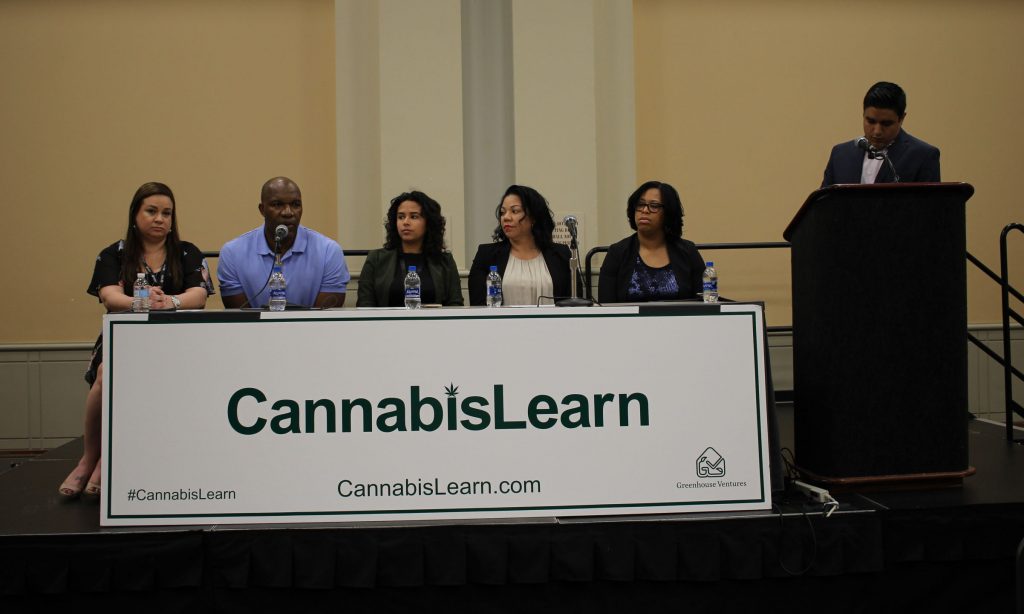
To discuss what comes next for minorities in the cannabis community, CannabisLearn gathered a panel of industry professionals at the Pennsylvania Convention Center in Philadelphia. Here’s what that panel had to say.

Unfair Policing And Media Representation
“Diversity means nothing without equity,” stressed Vanessa Maria Graber, producer and host of Fully Baked Radio, at the start of the diversity panel.

Graber elaborated that while POC are the most targeted by the war on drugs, they are also the least likely segment of society to own cannabis businesses. This is a blatant injustice, especially in an industry that relies so much on black-market knowledge, even today. To help reduce social and economic inequalities in the industry, Graber urged for police profiling to end.

As someone involved with the community radio movement, Graber also spoke on the need for accurate reporting of cannabis, which can further humanize those with drug convictions. “Storytelling is powerful,” she insisted. By reframing cannabis, we can step away from Reefer Madness-era myths (as well as myths about “criminals”) that still exist in today’s toxic political rhetoric about cannabis.

Social Equity Initiatives
On a similar note, former NFL player Marvin Washington, who is also co-founder and brand ambassador of CBD brand Isodiol International, added, “If you’re white, cannabis is already legal.”

Washington highlighted the urgency for social equity in issuing cannabis permits and licenses to people of color, such as the Los Angeles social equity program, which gives priority business permits to LA locals with low incomes, who have lived in a location negatively affected by the war on drugs, who have prior California cannabis convictions, and who plan to hire at least half their workforce from a pool of local residents. A similar program is currently underway in Oakland, while a comparable program has been suggested in New Jersey by the New Jersey Minority Alliance as part of the state’s proposed recreational policy.

CannabisLearn_diversity_panel-1024x614.jpg

L–R: Vanessa Maria Graber, Marvin Washington, Stephanie Izquieta, Chanda Macias and Kebra Smith-Bolden appear at CannabisLearn. (Image care of Danielle Corcione)

Record Expungement And Public Housing
Marijuana Policy Project (MPP) membership coordinator Stephanie Izquieta says ensuring expungement of criminal records is crucial to legalization policy, proving that today you can no longer ignore the incarceration rates of cannabis “offenders.”

When the conversation around New Jersey’s legalization bill began, it wasn’t clear that expungement would be included. Now, the debate is over how best to implement expungement and what offenses should be included. MPP has played an important role in this conversation, and successfully advocated for expanding expungement in other states.

Izquieta also highlighted the challenges of cannabis consumers who live in public housing. Section 8 residents aren’t allowed to consume in their homes because it is considered public property, and it’s illegal to consume cannabis on public property, leaving people nowhere to go. In the capital, DC Marijuana Justice has been finding unique ways to protest this measure, including handing out free joints outside of the Department of Housing and Urban Development.

Lack Of Representation
One day, registered nurse Kebra Smith-Bolden’s grandmother, who had been diagnosed with arthritis, suffered an aneurysm. She soon required a joint and a bath just to get through the day. But Smith-Bolden’s grandmother isn’t alone. As CEO of CannaHealth, a cannabis wellness center bringing together medical professionals, she sees firsthand how trauma is manifested, especially in people with traumatic experiences rooted in their childhood, and how cannabis can help heal them.

But it wasn’t always this way. When Smith-Bolden was first inspired to start a cannabis business — a dispensary at first — she looked around and didn’t see any black business owners in her local Connecticut area. (According to Marijuana Business Daily, only one to five percent of black Americans own cannabis businesses in the United States, despite the recreational legalization efforts in the past five years. And the numbers can be even slimmer for those with overlapping marginalized identities, including that of gender.)

Exclusion In Permitting And Licensing
“We need white privilege to fight for our rights,” said Chanda Macias, owner and general manager of DC-based dispensary National Holistic Healing Center, while speaking on the CannabisLearn panel. “We need advocacy from our white counterparts. No tokenism.”

Macias also mentions that many people are barred from participating in the industry due to past convictions. Indeed, numerous state laws disqualify those with convictions, whether drug-related or not, from even applying for cannabis permits and licenses. For her part, Macias is doing the work in her area to ensure those with prior drug convictions have the same opportunities in the industry as those who don’t.

“We’re qualified,” Macias added. “We need to come to together and change the narrative.”
 
The Culture Of Getting High Sure Was Different In The 1970s

I remember the smell most.

I was nine years old in 1976, living on a cul-de-sac in Southern California, and that sweet, sharp odor would come wafting over from my neighbor’s backyard. I was drawn to it immediately, like this phantom cartoon limb had just reached over the fence between our two yards and tugged at my nose.

Come on over…

Our neighbors in those close quarters seemed to know a little too much about one another’s lives — the brawls, the celebrations, all events big and small; the good, the bad and the boring. Reality TV before we knew what that was.

But Tom didn’t care about any of it.

Those personal moments playing out separately and together in our tiny, cramped suburban fiefdom weren’t any of his business. He was content to just sit back and enjoy himself on his back porch and puff a little herb.

I can’t tell you if Tom was 22 years old or 42 — but I knew he was different. And I sensed he was freer than us.

The fence that separated our yards sometimes had his dripping wetsuit hanging off it, fresh from a surf at Hermosa Beach. I could see it through the gaps in the slats. He was a surfer, and I knew he was a skater, too.

There was a pretty severe drought that year. Pools all over LA had been emptied and kids were skating them raw over Christmas break. Hour upon hour of this perpetual whizzing sound, punctuated by intermittent cheers. You’d hear these big, round, gravelly carves as someone chipped away at eight linear feet of poolside tile. More cheers. The inception of the skate scene was being created in those urban backyards, with hordes of kids all over LA transforming their pool-rat proclivities into a global phenomenon.

And that beautiful smell of weed was ever-present.

It kept coming over from Tom’s back porch, too, into our yard on those hot, windless California winter evenings.

My dad, who as far as I knew didn’t smoke marijuana — but loved cigars — would raise his huge hawk nose in the air, pull in a deep inhale, and in a very curious tone say, “He’s smokin’ them funny smellin’ cigarettes again. Boy, don’t he smoke them things?

My dad had a buttery Mississippi twang that put a particular emphasis on “smoke them things.” I wanted badly to know what that emphasis meant, but I couldn’t suss it out with my nine-year-old head.

I was dying to answer him, though I had no clue what those funny-smelling cigarettes were, and his question wasn’t really a question, so I just nodded. Looking back, I think I know the curious sound in my dad’s voice was a longing to be as free as Tom. To sit and smoke and just be free.

Dad never did, as far as I knew. He had a perpetually upset stomach, which pot could have probably helped. But weed wasn’t available to everybody back then — you were a stoner or you were a straight.

Tie-dye or tie wearer. No in between.

Forty years later, I found a High Times magazine at a flea market in San Francisco, dated December 1976. On the cover was an illustration of Saint Nick smoking a meerschaum pipe loaded with ganja. Inside the mag was a treasure trove of content: a story by novelist Tom Robbins about magic mushrooms; assorted Mexican weed-smuggling tales; a piece about Kissinger; a mini-magazine insert called “National Weed”; an article about huffing glue. There were ads for cocaine paraphernalia and many more for a psychoactive substance called “lettuce opium,” made from the milky sap at the base of the stalk.

If it could get you high, they wrote about it.

The cannabis advocacy group NORML was predicting federal legalization of pot was “just around the corner.”

It was 1976 — Nixon was out and Carter was in! There was hope.

Little did High Times know that 41 years later, the feds would still be dug in and immobilizing pot in the Schedule I designation, with the DEA contending it has no medicinal value, though countless millions continued to herald medical marijuana as a life-changing substance.

None of this will come as any surprise to old-school heads who lived through those earlier years of marijuana’s counterculture renaissance and read those first issues of High Times — but for me, flipping through those pages was an encyclopedic experience, a time capsule with one foot down the rabbit hole.

Cannabis cultures are clashing right now, with 29 US states and the District of Columbia legalizing weed for medicinal or recreational purposes, and also allowing for legal grow operations. We’ve reached a tipping point where tie-dyed potheads and tie-wearing ganjapreneurs are comingling and enjoying the same herb. It’s an incredible cross section of generations.

The marijuana mainstream now consists of seniors and people who prefer pot rather than loading up on prescription meds with a laundry list of side effects, as well as 20-somethings choosing cannabis over cocktails. They are smoking out of devices that look like iPhones, taking tinctures, dabbing concentrates, applying transdermal cannabis patches.

Suburban mothers are now cultivating the plant at home for their sick children, while commercial and craft grow ops are cropping up countrywide.

Weed is slowly being branded more for its qualities and outcomes — Calm, Cruise, Create — rather than the dank names like Super Chronic and Sour Diesel.

There was another story in that High Times issue from 1976 that really struck me as something that could only have happened in that period. It was about a group of US Navy sailors in the port of Mombasa, Kenya who regularly smuggled pot on board the visiting ships headed back to the States. So much marijuana was coming onto some of the vessels in the ’70s that sailors were reporting giant bricks of African weed openly hauled up the gangplank on hand trucks and crammed into emergency rowboats stem to stern, loaded under bunks — anywhere they could find some spare room.

My dad served in the US Navy at that time, for more than 15 years by 1976, and he docked in Africa now and again. I know he must have known guys who smuggled weed and experienced seeing those bails of pot flying on board. He had to have been excited by the sight — whether he was scared for them or wanted to join in.

In another universe, I think of my dad in Mombasa as one those renegade sailors helping pile weed onto the ship. I see his strong, tattooed arms heaving a 40-pound brick in the blazing African sun.

I think of him as a guy who didn’t suffer from crippling stomach issues, because he’d discovered cannabis and saw past the stoner prejudices and realized it could really help him.

And I think about him as a guy who would have looked over our fence in SoCal when he caught a whiff of those funny-smelling cigarettes and said, “Hey Tom, mind if I join you for a little of that?”
 
What Is Kief and How Can You Use It?

what-is-kief-anyway.jpg

Ever wonder what to call all those tiny, sticky crystals that cover cannabis flower? They’re called kief, also known as dry sift or pollen.


Kief refers to the resin glands which contain the terpenes and cannabinoidsthat make cannabis so unique. While marijuana sans kief still contains cannabinoids, the resin glands that develop on flower buds pack the biggest punch.

Kief and Trichomes: Built-In Protection for Cannabis Plants
shNeCSOUROOrufLREWfc_trichomes.jpg

The white hairs covering this cannabis flower are trichomes, or resin glands.
While kief specifically refers to the bulbous, crystal formation on the tip of a gland, the substance itself is just one part of what is called a trichome, or a “hair.”

Many different plants and algae have external trichomes for specific evolutionary purposes. For example, some carnivorous plants rely on sticky trichomes to trap their prey. Other plants, like cannabis, use them as a deterrent to herbivores.


Trichomes on the marijuana plant keep away hungry herbivores by producing an intense psychoactive experience, theoretically disorienting the animal and preventing it from eating the rest of the plant. The resin’s strong, distinct odor also attracts pollinating insects and predators, which might keep herbivore populations at bay.

How to Separate Kief From the Cannabis Plant
vleo0ZioRm2xwvbKm2op_kief.jpg

Without a three-chamber herb grinder to sift and collect kief, the kief is wasted because it just sticks to the grinder itself.
If you like the experience of concentrates but don’t want to break the bank buying expensive wax or extraction equipment, sifting kief might be a great alternative. Due to the high concentration of terpenes and cannabinoids in resin glands, separating kief crystals from plant matter is a great way to consume cannabis while reducing the amount of charred material you take into your body.

Extracting kief is simple. Using a three-chamber herb grinder will help you finely grind your cannabis while letting kief crystals fall through a screen and collect into a small compartment. While two chamber grinders are nice, they often let potent kief go to waste since crystals fall off of the dried herb and just stick to the inside of the grinder.


For extracting larger quantities of kief, using simple silk screening materials will allow you to separate kief from plant matter with the ease of sifting flower.


Framed Speedball screen printing screens.
Many people create makeshift sifters using layered screens similar to the ones pictured above. Because kief tends to measure between 75 and 125 microns, it can be difficult to separate all of the resin from the plant materials. To make sure you’re collecting the cleanest kief without unwanted plant matter, stack three to four layers of fine mesh screen one on top of another.

For the best results, home extractors use consecutive sizes of screen and stack them in order from largest to smallest. When buying screens, the number of wires or threads per inch, or the LPI (lines per inch) number is an important thing to remember. The larger the screen, the smaller the LPI number. When it comes to sifting kief, mesh between 80 and 270 LPI tends to work best.


When buying extracted kief at a dispensary or retail store, keep in mind that the purer the kief, the lighter the color will be. Kief that still looks fairly green means that there is still quite a bit of plant matter mixed in, whereas kief that has been cleaned well tends to be more of an off-white color.

What to Do With Kief
pJxsMQjCTcOGoBKiBnHt_hash.jpg

A compressed hash brick. This hash has a dark color because it has been heavily pressurized.
Now that you know what kief is and how to collect it, what should you do with it? There are many ways to make good use of your stockpile of unrefined cannabis concentrate. Here are a few suggestions that can amplify potency and refine consistency.

Sprinkle It Onto Your Packed Bowl of Cannabis
Also known as “crowning a bowl,” this is the first and most obvious use for kief. Overall potency can increase dramatically with a generous dusting of kief on top of your bowl. Corner your hits to get the most out of a kief-crowned bowl, corner your hits, which entails burning a quadrant of the bowl at a time so that you can enjoy multiple hits.


Sprinkle Kief Into a Joint or Roll a Twax Joint
Freshly ground cannabis is just sticky enough to make rolling a joint fairly easy. Pepper your ground cannabis with a healthy pinch of kief and mix well. The extra trichomes should more or less stick to the ground leaves, adding potency to the interior of your joint.

For those of you who want a more advanced experience, dampen the outside of your joint with a lick or your preferred wax and then roll the top 1/3 of the joint in kief. This kief-coated joint is often call a “twaxed” joint.


Make Hash
Hash is one of the oldest forms of refined cannabis. One of the first steps of making hash is extracting kief, as hash is basically just kief that has been heated and pressurized to form a soft, green ball. Applying heat and pressure to kief changes its composition by rupturing the resin glands. Once the kief ruptured, the overall taste and effects of the product are slightly different. Pressurizing kief also darkens its color; the more pressure you apply, the darker the hash becomes.


Make Moonrocks
Moonrocks are top-quality nugs covered in oil and rolled in kief. These glorious glitter cannabis specimens are very high potency and can be considered a quick DIY concentrate. Moonrocks are relatively easy to make if you have the materials. Gently heat your oil of choice and liberally coat your buds. Sprinkle kief over still-warm buds, or dredge buds in a kief bath using tongs. Let harden, then enjoy them by breaking them up by hand and sprinkling them into your bowl (avoid using a grinder if possible, as a grinder will break them up too finely and defeat the purpose of creating your lovely moonrock).


Press Rosin
Rosin is a rising star in the world of cannabis concentrates for its solventless extraction methods and preservation of cannabinoids. This process is usually done with flower, but higher yields and potency can be achieved by pressing kief. The at-home method involves a hair straightener and a vice, while professional methods incorporate high-pressure presses.


Add Potency to Cannabutter
Cannabutter has so many great applications, and kief is an easy way to boost potency that doesn’t add any extra steps to the cannabutter creating process. Just remember, no matter if you decarboxylate your cannabis in the oven or in your crockpot, make sure your kief is intermixed with your flower for best results.


Try These Kief-Heavy Strains


A cross between a Brazilian sativa landrace and a resin-heavy South Indian indica, White Widow has blessed every Dutch coffee shop menu since its birth in the 1990s. Its buds are white with crystal resin, warning you of the potent effects to come. A powerful burst of euphoria and energy breaks through immediately, stimulating both conversation and creativity.


Hash Plant’s tight, resin-drenched flower clusters develop a brittle surface when dried and give off a deep, rich Afghani aroma that’s undercut with a hint of hashish. When consumed, her dominant flavor is the spicy-sharp bite of smouldering resin glands. The instant vaporization of those layers of sparkling trichomes accelerates Hash Plant’s rapid, blissful and breathtakingly powerful body-stone.


Between its mysterious origin, ambiguous genetics, and the plethora of successful crosses the strain has produced, Chemdawg has practically secured itself a permanent place in the cannabis hall of fame. The original source of powerhouse strains like Sour Diesel and OG Kush, Chemdawg is known for its distinct, diesel-like aroma. Pungent and sharp, you’ll be able to smell this hybrid from a mile away.
 
The Endocannabinoid System and CBD’s Role in Stress, Anxiety, and Fear Responses

the-endocannabinoid-system-and-cbds-role-in-stress-anxiety-and-fe.jpg

This article is sponsored by PlusCBD Oil, a product line from CV Sciences (formerly CannaVest). CV Sciences is one of the leading suppliers and manufacturers of agricultural hemp-derived CBD bulk and finished products.


The biological mechanisms that control mood, anxiety, stress, fear, and other emotional behavior have been focused almost exclusively on the role of certain neurotransmitters called monoamines. While monoamines like dopamine, serotonin, and norepinephrine play an important role in controlling mood and anxiety, the vast majority of drug-based therapies that target those “monoaminergic” systems are limited in their efficacy.

More recently, research has begun to highlight other neurochemical systems, including cytokines, peptides, and bioactive lipids. By diving deeper into the science of bioactive lipids, we begin to unearth the potential role of the endocannabinoid system (ECS) in stress and fear responses.


The Endocannabinoid System’s Role in the Human Body
The ECS has been described in our previous article as a complex physiologic network within the human body comprised of cannabinoid receptors (CB1 and CB2). There are endogenous cannabinoid compounds such as anandamide and 2-AG, and their respective enzymes responsible for maintaining balance in the system by regulating the synthesis and breakdown of the active endocannabinoid compounds.

Not surprisingly, cannabinoid receptors and the biochemical machinery necessary to synthesize and generate cannabinoids are present within areas of the brain known to control emotional behavior, mood, stress, and fear. These structures include the prefrontal cortex, amygdala, hippocampus, and periaqueductal gray (PAG) of the midbrain.


What Happens in the Brain When Cannabinoid Receptors are Activated?
Preclinical studies in mice have clearly shown that activation of cannabinoid receptors within the PAG via direct injection of anandamide reduces panic and anxiety behavior, or the “fight or flight” phenomenon. Other studies using a similar model in animals have shown decreased fear-avoidant and conditioned responses to pain or punishment.

However, before we jump the gun and feel like we have fear, anxiety, and stress responses all figured out, it’s not as simple as activating receptors through cannabinoid administration. Other animal studies utilizing systemic injections of Δ9-THC (not directly into the PAG of the midbrain) have demonstrated mixed responses, eliciting either anxiogenic (promoting increased levels of anxiety) or anxiolytic (decreasing levels of anxiety).

This bidirectional or paradoxical response appears to be dose-dependent, where lower doses seem to reduce stress, anxiety, and panic, while higher doses may promote increased feelings of stress, panic, and fear. These opposing effects are likely a result of the involvement of other neurotransmitter circuits within the brain that, when inhibited, actually create a hyper-excitable response of stress, anxiety, and fear.


Striking a Balance Within the Cannabinoid System
To illustrate what neuroscientists currently feel is happening, think of being in a car with the brake pedal and accelerator. When the cannabinoid system is functioning to decrease fear, stress, and panic, the foot is being taken off of the accelerator in the areas of PAG-midbrain centers.

On the other hand, when dosing is too high, or there is an imbalance in the endocannabinoid system, whereby CB1 receptors are being over-activated in lieu of CB2, that’s like taking the foot off the brake pedal, thereby removing inhibition that was normally in place and allowing the engine to rev higher—increased fear, anxiety, and stress from activation of other circuits in the brain that are normally applying the brake.

More recently, other preclinical research has demonstrated the important role of maintaining a healthy endocannabinoid system “tone” for improved stress resilience and reducing the residual post-traumatic anxiety, fear, and panic behaviors in mice that were chronically exposed to stress. Interestingly, the greater the exposure to stress, the greater the magnitude of the response to treatment (by improving the ECS and cannabinoid signaling).


Are Cannabinoid Compounds the “Gatekeepers” to Healthy Stress Levels?
One theory is that anadamide and 2-AG are acting as “gatekeepers” to keep the stress response and high emotional loads at bay and improving recovery to pre-stress levels once the stress burden is reduced to baseline. Moreover, there is evidence from preliminary human studies that disrupting endocannabinoid signaling and regulation has important impacts on the HPA (hypothalamic-pituitary-adrenal) axis by increasing signs of anxiety and depression.

There is an emerging role in the interplay between the immune system and the neuro-endocrine system, such that the field of psychoneuroimmunology has exploded with new basic and preclinical research over the past 5 years. The crosstalk between the immune system, cytokine signaling, and the nervous system influencing behavior, anxiety, and mood has been proposed by numerous preclinical studies. A number of recent studies have demonstrated a role of CB2 receptors classically associated with the immune system in anxiety and depression-related behavior in animal models and human clinical studies.

In this context, it’s interesting to note that a balanced ECS appears to be pivotal to a healthy stress response and mitigating fear, anxiety, and panic that tend to accumulate with dysfunctional responses to stress.


CBD and Anxiety Reduction in Humans
A randomized, double-blind, placebo controlled trial in 15 humans demonstrated that up to 600 mg of CBD (cannabidiol) reduced measured anxiety compared to increased levels with a 10 mg dose of Δ9-THC. CBD appears to activate other receptors outside CB2, including 5HT1A and TRPV1, both of which are involved in the anxiolytic and mitigating panic/fear responses to stress.

The totality of the best available scientific evidence points to the importance of balancing the tone of the endocannabinoid system for supporting a healthy stress response. This preclinical and emerging human clinical data support the use of a CBD-rich or CBD-overweighted extract of cannabis for modulating fear, anxiety, and a healthy stress response.


Addressing Your CBD Questions
If you have questions about CBD, send them to social@leafly.com or share them via Facebook or Twitter. Our goal is to spread awareness of and education about hemp-derived CBD products, so send us your questions and we’ll address them in future installments!

References:

Campos AC, Ferreira FR, Guimarães FS. Cannabidiol blocks long-lasting behavioral consequences of predator threat stress: possible involvement of 5HT1A receptors. J Psychiatr Res. 2012 Nov;46(11):1501-10.

Campos AC, Guimarães FS. Evidence for a potential role for TRPV1 receptors in the dorsolateral periaqueductal gray in the attenuation of the anxiolytic effects of cannabinoids. Prog Neuropsychopharmacol Biol Psychiatry. 2009 Nov 13;33(8):1517-21.

Fusar-Poli P, Crippa JA, Bhattacharyya S, et al. Distinct effects of {delta}9-tetrahydrocannabinol and cannabidiol on neural activation during emotional processing. Arch Gen Psychiatry. 2009 Jan;66(1):95-105.

Hill MN, Patel S. Translational evidence for the involvement of the endocannabinoid system in stress-related psychiatric illnesses. Biol Mood Anxiety Disord. 2013 Oct 22;3(1):19.

Saito VM, Wotjak CT, Moreira FA. Pharmacological exploitation of the endocannabinoid system: new perspectives for the treatment of depression and anxiety disorders. Rev Bras Psiquiatr. 2010 May;32 Suppl 1:S7-14.

Witkin JM, Tzavara ET, Nomikos GG. A role for cannabinoid CB1 receptors in mood and anxiety disorders. Behav Pharmacol. 2005 Sep;16(5-6):315-31.
 
Should Cannabis be Legalized? 10 Arguments in Favor of Legalization
top-ten-arguments-for-legalization.jpg

For every responsible cannabis consumer out there, there’s a negative stereotyper who assumes that cannabis users are all “mad on the reefer” without taking into account the many positive arguments for legalization. Whenever you hear their claim that cannabis users are irresponsible drug addicts or that medical marijuana is a sham, you can counter with these research-backed arguments in favor of cannabis legalization.


1. The World Will Not Collapse into Chaos
No, cannabis consumers are not going on violent rampages through the city. In fact, it’s quite the opposite – violent crime and property crimes have both decreased in Colorado since the state legalized recreational cannabis, and the London study we referenced in our 5 cannabis misconceptions articleled to a large drop in crime rates after cannabis was decriminalized for a year.


2. The Prohibition of Cannabis Takes a Financial and Social Toll on Society
There were 658,000 arrests for marijuana possession in 2012 alone, and the majority of these arrests were for non-violent, low-level offenders. Enforcing cannabis possession laws costs the U.S. approximately $3.6 billion annually. All of this time, cost, and effort takes our law enforcement away from enforcing more urgent issues.


3. Marijuana Enforcement is Inherently Biased
No matter which way you put it, when it comes to arrests for simple marijuana possession, black Americans are the top contenders. Overall, they are four times more likely to be arrested for marijuana, despite the fact that blacks and whites both use cannabis at similar rates. Even in more progressive states like Oregon, black Oregonians are still twice as likely to be arrested for low-level cannabis charges.


4. Cannabis Has Medicinal Applications
Despite the notion many anti-cannabis people have that medical marijuana is nothing more than a lie, studies are starting to show marijuana’s potential in shrinking aggressive cancerous brain tumors. Furthermore, a recent American study found that treating epilepsy and other seizure disorders with CBD reduced seizures by 54%. Use of THC reduced spasticity in sufferers of multiple sclerosis by 30%. Cannabis may also reduce depressionand relieve anxiety. While more research is needed to better determine how cannabis can help treat diseases or symptoms, there’s a reason why so many states have legalized medical marijuana.


5. Cannabis is 114 Times Less Toxic Than That Other Legal Substance, Alcohol
In a comparative analysis on the risks of recreational drugs, alcohol was the top contender, while cannabis was considered the lowest risk, making cannabis literally 114 times safer to use than alcohol, a legal substance for adults ages 21 and up.


6. Legalization Hasn’t Led to Increased Use Among Teens and Minors
Since cannabis was legalized in Colorado, many feared that it would lead to increased consumption among youth. In fact, legalization has had the exact opposite effect – due to education and regulations restricting use to adults, the percentage of teenagers in Colorado who admit to using cannabis has been steadily dropping from 22% to 20% between 2011 and 2013, and remains below the national average at 23.4%.


7. Cannabis Generates Revenue
Ah yes, the almighty dollar. No matter how you put it, money talks. Colorado’s first year of legal cannabis provided $63 million in revenue, with an additional $13 million from licenses and fees. Not only that, but the money is going to great causes – $30.5 million goes right back to the taxpayers (rewarding those who voted for legalization), and the rest goes towards youth marijuana education programs, school construction, and the costs of regulation.


8. Keeping Marijuana Illegal is Expensive
According to the ACLU, in 2010, the U.S. spent more than $3.6 billion on enforcing cannabis prohibition. It’s estimated that the U.S. will spend more than $20 billion over six years on keeping cannabis illegal.


9. Legalizing Cannabis Could Eliminate the Black Market
It’s possible to undercut the black market by making the legal market more appealing to the standard cannabis consumer through legalization and tightly controlled regulations. Mexican cartels once supplied the United States as the top source of illegal cannabis, but since legalization has swept across four states and Washington, D.C., the amount seized by Border Patrols has dropped 24% in the past year, and the price of Mexican-grown cannabis has dropped from $90 down to $30 per kilogram. Legalization brings proper regulation and infrastructure, and ushers in potency testing, product variety, warning labels, and overall peace of mind for the consumer.


10. Legalizing Cannabis Creates Jobs
Colorado created 10,000 new jobs in the legal cannabis industry, boosting the economy and lowering the unemployment rate to just 6%, making it one of the lowest in the nation.
 
Hemp 101: What Is Hemp, What’s It Used for, and Why Is It Illegal?
hemp-101-what-is-hemp-whats-it-used-for-and-why-is-it-illegal.jpg

Hemp is one of the oldest domesticated crops known to man. It has been used for paper, textiles, and cordage for thousands of years. In fact, the Columbia History of the World states that the oldest relic of human industry is a scrap of hemp fabric dating back to approximately 8,000 BC.


So what exactly is hemp, and how is it different from the psychoactive form of cannabis that we consume medicinally and recreationally? Let’s dive into some Hemp 101 so you can better understand this versatile material.

What Is Hemp?
G1Bu10jbRoqG8IgF5MIn_hemp-plant-close.jpg

There are many different varieties of the cannabis plant. Hemp — also called industrial hemp — refers to the non-psychoactive (less than 1% THC) varieties of Cannabis sativa L. Both hemp and marijuana come from the same cannabis species, but are genetically distinct and are further distinguished by use, chemical makeup, and cultivation methods.

What Can Hemp Do?
MaugByjmTT62uHMzN7Ie_hemp-seeds.jpg

Hemp can be grown as a renewable source for raw materials that can be incorporated into thousands of products. Its seeds and flowers are used in health foods, organic body care, and other nutraceuticals.

lt2I62i8TEGuoR4QtQzP_hempseed_diagram.png


The fibers and stalks are used in hemp clothing, construction materials, paper, biofuel, plastic composites, and more.

dt1XXXNPSlaiqkv77ipv_hempstalk_diagram.png


Last year, the Hemp Industries Association (HIA) estimated the total retail value of all hemp products sold in the U.S. at $620 million. Sadly, all of the raw hemp materials were imported from other countries. (More on that later.) Hemp is an attractive rotation crop for farmers. As it grows, hemp breathes in CO2, detoxifies the soil, and prevents soil erosion. What’s left after harvest breaks down into the soil, providing valuable nutrients.

Hemp requires much less water to grow — and no pesticides — so it is much more environmentally friendly than traditional crops.

What Can’t Hemp Do?
Bq2Ese0IREus07B7FpOL_joint-in-forest.jpg

Hemp can do a lot, but it can’t get you “high.” Because hemp varieties contain virtually zero tetrahydrocannabinol (THC), your body processes it faster than you can smoke it. Trying to use hemp to put you on cloud nine will only put you in bed with a migraine!

Why Is Hemp Illegal?
7uZ8PxNSreBd1pgU8bOQ_us-flag-gavel.jpg

In 1937, the Marijuana Tax Act strictly regulated the cultivation and sale of all cannabis varieties. The Controlled Substances Act of 1970 classified all forms of cannabis — including hemp — as a Schedule I drug, making it illegal to grow it in the United States (which is why we’re forced to import hemp from other countries as long as it contains scant levels of THC — 0.3% is the regulation for hemp cultivation in the European Union and Canada). As a result of this long-term prohibition, most people have forgotten the industrial uses of the plant and continue to misidentify hemp with its cannabis cousin, marijuana.

Can Hemp Make a Comeback?
znnHqRp0TzX0dlLgrp1A_hemp-field.jpg

The 2014 US Farm Bill allows states that have passed their own industrial hemp legislation to grow industrial hemp for purposes of research and development. Several states — including Kentucky, Colorado, and Oregon — are already conducting hemp pilot projects. Many other states are currently pursuing similar legislation and programs. After many years of prohibition, American farmers are finally reacquainting themselves with industrial hemp.

In January of 2015, The Industrial Hemp Farming Act (H.R. 525 and S. 134) was introduced in the House and Senate. If passed, it would remove all federal restrictions on the cultivation of industrial hemp, and remove its classification as a Schedule I controlled substance.

If the unwarranted federal prohibition of hemp is finally repealed, the world’s oldest domesticated crop will once again be available to serve mankind in a broad range of environmentally friendly ways. We love hemp, and hope that you will too. Look for a continuation of our series of hemp articles here on Leafly!
 
5 Ways Cannabis Could Be Helping Alzheimer’s Patients
the-medical-minute-5-ways-cannabis-could-be-helping-alzheimers-pa.jpg

If you’ve been keeping a pulse on medical marijuana studies in recent years, you’re probably already keen to the fact that cannabis compounds are demonstrating some promise in the lab.


We’re looking back at some of the research shedding light on a new avenue of medicine, one that explores the fascinating role our endocannabinoid system plays in neurodegenerative diseases like Alzheimer’s. Looking forward, just imagine what we will accomplish once those legal barriers surrounding cannabis research are lifted on a federal level.

1. THC Slows Buildup of Neural Plaques
One of the characterizing pathological markers of Alzheimer’s is the buildup of amyloid plaques, a toxic aggregation of peptides in the neural tissue. This 2008 study published in Molecular Pharmaceutics found that THC slowed this amyloid β-peptide (Aβ) overgrowth, a discovery that was again observed in a 2014 study that appeared in Journal of Alzheimer’s Disease. The earlier authors even found a low dose of THC to be “a considerably more effective inhibitor of AChE-induced Aβ deposition than the approved drugs for Alzheimer’s disease treatment, donepezil and tacrine, which reduced Aβ aggregation by only 22% and 7%, respectively, at twice the concentration used in our studies.”

2. Cannabis Fights Inflammation
Another contributor to the development of Alzheimer’s is inflammation around these amyloid plaques. A 2006 report published in Neuroscienceanalyzed the role of the endocannabinoid system (ECS) in Alzheimer’s, as activation of CB1 receptor sites had an anti-inflammatory effect. Other research cited in a 2012 review reiterated its importance; one study found that mice bred without CB1 receptors experienced faster cognitive degeneration. The connection between the ECS and neurodegenerative diseases has yet to be developed in human trials, but the premise of this preliminary research alone is encouraging.

3. CBD Could Prevent Cell Death
THC isn’t the only compound cannabis has to offer for Alzheimer’s research; the non-intoxicating cannabidiol – better known as CBD – has also hinted at its benefits in preventing cell death. In 2004, researchers noted CBD’s neuroprotective, anti-oxidative, and anti-apoptotic properties, thus reducing neurotoxicity caused by amyloid buildup. These phenomena were again reviewed in a 2009 report that explored promising avenues in cannabinoid therapy, including that which involves a combination of THC and CBD. Noting the synergistic potential of cannabis constituents like CBD and THC, the researchers concluded with cautious optimism:

“The great therapeutic value of CBD, either given alone or in association with THC, derives from the consideration that it represents a rare, if not unique, compound that is capable of affording neuroprotection by the combination of different types of properties (e.g., anti-glutamatergic effects, anti-inflammatory action, and antioxidant effects) that almost cover all spectra of neurotoxic mechanisms that operate in neurodegenerative disorders (excitotoxicity, inflammatory events, oxidative injury, etc.).”

4. Cannabinoids Stimulate Cell Growth
So in addition to cannabis’ antioxidant, anti-inflammatory, and neuroprotective attributes, it would appear that cannabinoids may also play a role in the growth of neural tissue in the hippocampus – the area of the brain associated with memory. This mechanism known as “neurogenesis” was explored and discussed in a 2011 study, as well as in a 2007 report that observed cannabinoids “supporting the brain’s intrinsic repair mechanisms.”

5. Staving Off Other Alzheimer’s Symptoms
One of the more compelling arguments for medical marijuana is its ability to alleviate other symptoms associated with Alzheimer’s, allowing patients to live happier and more functional lives. From appetite stimulation and weight control to motor functioning and agitation reduction, the improved quality of life that cannabis may offer these patients should be enough to warrant a rescheduling of these versatile cannabinoids.

Looking back at decades of research supporting cannabis’ therapeutic benefits in not only Alzheimer’s, but in cancer, pain, epilepsy, stress disorders, sleep disorders, MS, HIV/AIDS, glaucoma, fibromyalgia, gastrointestinal disorders, arthritis, anorexia, diabetes, spasticity, it’s utterly incomprehensible to see cannabis still ranked as a Schedule 1 substance among the likes of heroin.
Cheers to all of the scientists out there making this research happen despite political obstacles and pitfalls.

Find out which cannabis strains may help with Alzheimer’s symptoms:


ALZHEIMERSRESEARCH
 
If anyone in this thread is interested in being on my show to talk about cannabis or show some cool stuff related to cannabis let me know.
 
How to Grow Cannabis Indoors: A Beginner’s Guide

Congratulations, you’re interested in growing your own cannabis plants for the first time! But before you flex that green thumb of yours, understand that growing marijuana indoors presents a unique set of challenges for the new hobbyist, and the sheer volume of information available on the subject can be overwhelming.


Our guide to indoor cannabis growing will help simplify the process for you into clear, easy-to-digest sections designed to help the first-time grower get started.


Step 1: Designate a Cannabis Grow ‘Room’ or Space
P3r2zIPSV25XtMPJqK5L_indoor-cannabis-grow-space.jpg


The first step in setting up your personal cannabis grow is creating a suitable space in which to do it. This space doesn’t need to be the typical grow “room; it can be in a closet, tent, cabinet, spare room, or a corner in an unfinished basement. Just keep in mind that you’ll need to tailor your equipment (and plants) to fit the space.


Start Small…
When tackling your first grow project, you’ll want to start small for multiple reasons:

  • The smaller the grow, the less expensive it is to set up
  • It’s much easier to monitor a few plants than a large number
  • Your mistakes as a first-time grower will be less costly
Remember, most new cannabis growers will experience setbacks and lose plants to pests or disease. A failed grow of two plants will put a far smaller dent in your wallet than 15 plants.

…But Think Big
When designing your space, you’ll need to take into account not only the amount of room your plants will need, but also your lights, ducting, fans, and other equipment, as well as leaving enough room for you to work. Cannabis plants can double, even triple in size in the early stage of flowering, so make sure you have adequate head space!

If your grow room is a cabinet, tent, or closet, you can simply open it up and remove the plants to work on them; otherwise, you’ll need to make sure you leave yourself some elbow room.

Cleanliness Is Crucial
Make sure your space is easily sanitized; cleanliness is important when growing indoors, so easy-to-clean surfaces are a must. Carpeting, drapes, and raw wood are all difficult to clean, so avoid these materials if possible.

Keep It Light-Tight
Another crucial criterion for a grow room is that it be light-tight. Light leaks during dark periods will confuse your plants and can cause them to produce male flowers.

Other Variables
When deciding where to grow your cannabis, keep the following variables in mind:

  • Convenience: You’ll need to monitor your plants carefully. Checking on them every day is important, and beginners will want to check in several times per day until they have everything dialed in. If your room is hard to access, this crucial step will be difficult.
  • Temperature and Humidity Concerns: If your grow space is already very warm or very humid, you’ll have issues controlling your grow environment. Choosing a cool, dry area with ready access to fresh air from the outdoors is highly recommended.
  • Stealth: You’ll most likely want to conceal your grow from nosy neighbors and potential thieves, so be sure to pick a place where noisy fans won’t garner any unwanted attention.
Step 2: Choose Your Cannabis Grow Lights
NggqCrO5T1WMrBQ3MQym_cannabis-plants-under-grow-lights.jpg


The quality of light in your grow room will be the number one environmental factor in the quality and quantity of your cannabis yields, so it’s a good idea to choose the best lighting setup you can afford. Here’s a brief rundown of the most popular types of cannabis grow lights used for indoor growing.

HID Grow Lights
HID (high intensity discharge) lights are the industry standard, widely used for their combination of output, efficiency, and value. They cost a bit more than incandescent or fluorescent fixtures, but produce far more light per unit of electricity used. Conversely, they are not as efficient as LED lighting, but they cost as little as one-tenth as much for comparable units.

The two main types of HID lamp used for growing are:

  • Metal halide (MH), which produce light that is blue-ish white and are generally used during vegetative growth
  • High pressure sodium (HPS), which produce light that is more on the red-orange end of the spectrum and are used during the flowering stage
In addition to bulbs, HID lighting setups require a ballast and hood/reflector for each light. Some ballasts are designed for use with either MH or HPS lamps, while many newer designs will run both.

If you can’t afford both MH and HPS bulbs, start with HPS as they deliver more light per watt. Magnetic ballasts are cheaper than digital ballasts, but run hotter, are less efficient, and harder on your bulbs. Digital ballasts are generally a better option, but are more expensive. Beware of cheap digital ballasts, as they are often not well shielded and can create electromagnetic interference that will affect radio and WiFi signals.

Unless you’re growing in a large, open space with a lot of ventilation, you’ll need air-cooled reflector hoods to mount your lamps in, as HID bulbs produce a lot of heat. This requires ducting and exhaust fans, which will increase your initial cost but make controlling the temperature in your grow room much easier.

Fluorescent Grow Lights
Fluorescent light fixtures, particularly those using high-output (HO) T5 bulbs, are quite popular with small scale hobby growers for the following reasons:

  • They tend to be cheaper to set up, as reflector, ballast, and bulbs are included in a single package
  • They don’t require a cooling system since they don’t generate near the amount of heat that HID setups do
The main drawback is that fluorescent lights are less efficient, generating about 20-30% less light per watt of electricity used. Space is another concern, as it would require approximately 19 four-foot long T5 HO bulbs to equal the output of a single 600 watt HPS bulb.

LED Grow Lights
Light emitting diode (LED) technology has been around for a while, but only recently has it been adapted to create super efficient light fixtures for indoor growing. The main drawback to LED grow lights is their cost: well designed fixtures can cost 10 times what a comparable HID setup would. The benefits are that LEDs last much longer, use far less electricity, create less heat, and the best designs generate a fuller spectrum of light, which can lead to bigger yields and better quality.

Unfortunately, there are many shoddy LED lights being produced and marketed towards growers, so do some research and read product reviews before laying down your hard-earned cash.

Induction Grow Lights
Induction lamps, otherwise known as electrodeless fluorescent lamps, are another old technology that has been recently adapted to suit the needs of indoor growers. Invented by Nikola Tesla in the late 1800s, the induction lamp is essentially a more efficient, longer-lasting version of the fluorescent bulb. The main drawback of these fixtures is their price and availability.

Step 3: Give Your Cannabis Plants Air
b54gwQEaTDuP1kOsEKPw_cannabis-plants-with-fan.jpg


Plants need fresh air to thrive, and carbon dioxide (CO2) is essential to the process of photosynthesis. This means you will need a steady stream of air flowing through your grow room, easily achieved by means of an exhaust fan placed near the top of the room to remove the warmer air, and a filtered air inlet on the opposite side near the floor.

You’ll need to ensure that temperatures remain within a comfortable range for your plants, between 70 degrees F and 85 degrees F when lights are on and between 58 degrees F and 70 degrees F when they are off. Some varieties of cannabis (generally indica strains) prefer the lower side of the range, while others are more tolerant of higher temperatures.

The size of your exhaust fan will depend on the size of your grow space and amount of heat generated by your lighting system. HID systems put out a ton of heat, especially if they aren’t mounted in air-cooled hoods. People who live in warmer regions will often run their lights at night in an effort to keep temperatures in their grow down.

It’s advisable to set up your lights, turn them on for a while, and then determine how much airflow you’ll need to maintain a comfortable temperature for your plants. This will allow you to choose an exhaust fan suitable for your needs. If the odor of cannabis plants in bloom will cause you problems, add a charcoal filter to your exhaust fan.

Alternately, you can create a sealed, artificial environment by using an air conditioner, dehumidifier, and supplemental CO2 system, but this is quite expensive and not recommended for the first-time grower.

Finally, it’s a good idea to have a constant light breeze in your grow room as this strengthens your plants’ stems and creates a less hospitable environment for mold and flying pests. A wall-mounted circulating fan works well for this purpose — just don’t point it directly at your plants, because that can cause windburn.

Step 4: Pick Your Controls and Monitoring
fbxWUfCzQ7WR84uvgjtv_indoor-cannabis-grow-setup.jpg


Once you have selected your lights and climate control equipment, you’ll want to automate their functions. While there are sophisticated (and expensive) units available that control lights, temperature, humidity, and CO2 levels, the beginner will generally need a simple 24 hour timer for the light and an adjustable thermostat switch for the exhaust fan.

The timing of the light/dark cycle is very important when growing cannabis; generally you will have your lights on for 16-20 hours per 24 hour period while the plants are in vegetative growth, then switch to 12 hours of light per 24 when you want them to bloom. You need your lights to turn on and off at the same times every day or you risk stressing your plants, so a timer is essential. You can use a timer for your exhaust fan as well, but spending a few extra dollars on a thermostat switch is a much better option.

With the most basic models, you simply set the thermostat on the device to the maximum desired temperature for your space and plug your exhaust fan into it. Once the temperature rises to the level you set, it will turn the fan on until temperatures fall a few degrees below the set threshold. This saves energy and maintains a steady temperature.

Since you’re probably not spending most of your time in your grow space, a combination hygrometer/thermostat with high/low memory feature can be very handy in keeping tabs on conditions in your room. These small, inexpensive devices not only show you the current temperature and humidity level, but the highest and lowest readings for the period of time since you last checked.

It’s also a good idea to keep a pH meter or test kit on hand so you can check the pH level of your water, nutrient solution, or soil. Cannabis prefers a pH between 6 and 7 in soil, and between 5.5 and 6.5 in hydroponic media. Letting the pH get out of this range can lead to nutrient lockout, meaning your plants are unable to absorb the nutrients they need, so be sure to test your water and soil regularly and make sure the nutrient mix you are feeding your plants falls within the desired range.


Step 5: Decide on a Cannabis Grow Medium
Growing indoors means you have many different methods to choose from, and whether it’s good old fashioned pots full of soil or a rockwool slab in a hydroponic tray, every medium has its benefits and drawbacks. Here we’ll examine the two most popular methods and the media they employ.

Soil
Soil is the most traditional medium for growing cannabis indoors, as well as the most forgiving, making it a good choice for first-time growers. Any high quality potting soil will work, as long as it doesn’t contain artificial extended release fertilizer (like Miracle Gro), which is unsuitable for growing good cannabis.

A very good choice for beginners is organic pre-fertilized soil (often referred to as “super-soil”) that can grow cannabis plants from start to finish without any added nutrients, if used correctly. This can be made yourself by combining worm castings, bat guano, and other components with a good soil and letting it sit for a few weeks, or it can be purchased pre-made from a few different suppliers.

As with all organic growing, this method relies on a healthy population of mycorrhizae and soil bacteria to facilitate the conversion of organic matter into nutrients that are useable to the plant. Alternately, you can use a regular soil mix and then supplement your plants with liquid nutrients as the soil is depleted.


RELATED STORY
When Is Your Cannabis in Season? Factors That Influence Growing, Harvest, and Availability

Soilless (aka Hydroponics)
Indoor growers are increasingly turning to soilless, hydroponic media for cultivating cannabis plants. This method requires feeding with concentrated solutions of mineral salt nutrients that are absorbed directly by the roots through the process of osmosis. The technique for quicker nutrient uptake leading to faster growth and bigger yields, but it also requires a higher order of precision as plants are quicker to react to over or underfeeding and are more susceptible to nutrient burn and lockout.

grobox-3-1024x640.jpg

The GroBox provides everything you need to grow hydroponic cannabis in one kit. (Courtesy of GroBox)
Different materials used include rockwool, vermiculite, expanded clay pebbles, perlite, and coco coir, just to name a few. Commercial soilless mixes are widely available that combine two or more of these media to create an optimized growing mix. Soilless media can be used in automated hydroponic setups or in hand-watered individual containers.

Step 6: Determine What to Grow Your Cannabis In
What type of container you use will depend on the medium, the system, and the size of your plants. A flood-and-drain, tray-style hydroponic system may use small net pots filled with clay pebbles or just a big slab of rockwool to grow many little plants, while a “super-soil” grow may use 10 gallon nursery pots to grow a few large plants.

Inexpensive options include disposable perforated plastic bags or cloth bags, while some choose to spend more on “smart pots,” containers that are designed to enhance airflow to the plant’s root zone. Many people grow their first cannabis plants in five gallon buckets. Drainage is key, though, as cannabis plants are very sensitive to water-logged conditions, so if you repurpose other containers, be sure to drill holes in the bottoms and set them in trays.

Step 7: Feed Your Cannabis Plants Nutrients
Growing high-quality cannabis flowers requires more fertilizer, or nutrients, than most common crops. Your plant needs the following primary nutrients (collectively known as macronutrients):

  • Nitrogen (N)
  • Phosphorus (P)
  • Potassium (K)
These micronutrients are needed as well, albeit in much smaller quantities:

  • Calcium
  • Magnesium
  • Iron
  • Copper

RELATED STORY
Seed to Sale: How Legal Cannabis Is Grown

If you aren’t using a pre-fertilized organic soil mix, you will need to feed your plants at least once a week using an appropriate nutrient solution. These nutrients are sold in concentrated liquid or powder form meant to be mixed with water, and generally formulated for either vegetative or flower (“bloom”) growth. This is because cannabis has changing macronutrient requirements during its lifecycle, needing more nitrogen during vegetative growth, and more phosphorus and potassium during bud production.

Most macronutrients are sold in a two-part liquid to prevent certain elements from precipitating (combining into an inert solid that is unusable by the plant), meaning you’ll need to purchase two bottles (part A and part B) for veg, and two bottles for grow, as well as a bottle of micronutrients. Other than these basics, the only other nutrient product you may need to purchase is a Cal/Mag supplement, as some strains require more calcium and magnesium than others.

Once you’ve purchased the necessary nutrient products, simply mix them with water as directed by the label and water your plants with this solution. You should always start at half-strength because cannabis plants are easily burned. It’s almost always worse to overfeed your plants than to underfeed them, and over time you will learn to “read” your plants for signs of deficiencies or excesses.

Step 8: Water Your Cannabis Plants
watering-cannabis-2-1024x640.jpg


Most people won’t think twice about the water they use on their plants; if you can drink it, it must be fine, right? Well, it may not be an issue, depending on your location, but some water contains a high amount of dissolved minerals that can build up in the root zone and affect nutrient uptake, or it may contain fungus or other pathogens that aren’t harmful to people but can lead to root disease.

Additionally, some places may have high levels of chlorine in the water supply, which can be harmful to beneficial soil microbes. For these reasons, many people choose to filter the water they use in their gardens.

The most important thing to remember during this phase is to not overwater. Cannabis plants are very susceptible to fungal root diseases when conditions are too wet, and overwatering is one of the most common mistakes made by the beginning grower. How often you water your plants will depend on the medium used, size of the plants, and ambient temperature. Some people will wait until the lower leaves of the plant start to droop slightly before watering.

As you gain experience and knowledge, you will alter your grow room and equipment to better fit your particular environment, growing techniques, and for the specific strains you choose, but hopefully this article will provide you with a solid foundation of knowledge to get started on the right foot. And remember, growing marijuana is a labor of love, so spend a lot of time with your plants and have fun!

 
If anyone in this thread is interested in being on my show to talk about cannabis or show some cool stuff related to cannabis let me know.

Thats a good idea, bruh!! Theres a few kats on here that have shown interest in the cannabis rush!! We(as a people) cant afford to miss out on this train!!
 
Growing Cannabis Indoors vs. Outdoors: 3 Key Differences
indoor-vs-outdoor-cannabis-growing-3-key-differences.jpg


Cannabis has long been cultivated outdoors and is one of the oldest agricultural crops in existence. Growing cannabis indoors, however, has been around for less than a century and came about as a result of prohibition. Most advancements in cannabis production have occurred during the era of indoor cultivation; staying out of sight was initially a way to protect the grower from the laws against cannabis.

As technology advanced, the industry was able to expand its knowledge of the plant by leaps and bounds, and this was also true for areas where outdoor farming managed to succeed, like Southern Oregon and Northern California. The differences are not only important to aspiring cannabis farmers, but to the consumer comparing outdoor and indoor grown products at the dispensary counter.

How does the environment affect the outcome of a strain, and what considerations must a grower make when choosing between the two?

Controlled vs. Natural Climates
AekuTVxgS0Klvfli3l6X_cannabis-grown-indoors.jpg

There are many reasons to grow indoors over outdoors, such as being free to choose your location with minimal constraints and the ability to completely control your grow environment. Controlling temperature, light source, CO2 production, and humidity creates a stable habitat to optimize your plants’ growth without having to risk outdoor elements.

The indoor grower typically finds cosmetically pristine flowers with higher THC percentages. On the other hand, no bulb can produce the same spectrum of light unique to the sun which, in turn, limits indoor gardens with smaller yields and less vigorous plants. Outdoor farming, however, requires a climate suitable for cannabis production—good sun exposure, hot days, warm nights, and low humidity.


Nevertheless, growing indoors has complications as well. When the grower tries to create a natural environment indoors, there are factors in the natural process that cannot be replicated. For example, plants grown outside have substantial help against mites from natural predators who share the habitat. Wasps, ants, and ladybugs are some of “nature’s helpers” that keep mite populations at bay.

Indoors, the grower cannot hope to completely mimic the incredibly complicated natural environment. If mites appear in an indoor grow space, they can be a challenge to control. With the ever-increasing consumer concerns about the overuse of pesticides and insecticides, some cultivators might find the trade-offs of growing outdoors worth investigating.


Price of Growing Cannabis Indoors vs. Outdoors
Ms3Q4qQQ6Sosrleuu6mY_cannabis-buds-and-money.jpg

Both indoor and outdoor grows demand substantial up-front costs, but the difference becomes apparent long-term. Indoor climate control systems can cost a small fortune to operate, whereas a majority of the costs associated with outdoor grows are in the startup of the operation.

Labor costs for indoor and outdoor gardens also vary drastically. With continual turnover in an indoor garden, there’s always work to be done. Pruning, trellising, watering, feeding, and harvest work are ongoing and more demanding for smaller yields. Outdoors, the grower is working one crop throughout the season. Many outdoor farms with large outputs can operate with up to four employees full-time until harvest, when additional workers need to be brought in.


The high costs of indoor farming may be recouped through breeding projects, year-round harvests, and potent products that have higher selling points. Furthermore, manufactured indoor environments allow growers to cultivate strains that would otherwise be unsuitable for their local outdoor environment and climate. However, with the rising cost of energy and an increasing demand for more flower in the marketplace, outdoor farming may be able supply the market with quality products at a more reasonable price.

Quality of Cannabis Grown Indoors vs. Outdoors
RmBetLb9QciITNB9YrGF_pile-of-cannabis-buds.jpg

Indoor flower has long been recognized as the top-of-the-line product. Being able to control your environment and expedite breeding has resulted in aesthetically beautiful strains with magnificent flavor profiles. Introducing higher CO2 levels than in the natural environment increases bud growth and produces THC levels that are difficult to obtain outdoors.

Additionally, indoor cannabis does not have to deal with rain, wind, or any of the other natural elements that can damage an outdoor crop. The buds remain in pristine condition and only start to degrade once handling begins. The scale of most indoor operations generally allows for crops to be harvested in peak conditions and for the product to be cured in a controlled climate.

grobox-1-1024x640.jpg

A cannabis plant under LED lights. (Courtesy of GroBox)
Outdoor flower is, of course, subject to the whims of the natural environment. Though the end product may not look as perfect, the taste, effects, and aroma should still be there. Some consumers find sun-grown organic cannabis to be preferable to the cosmetically pristine indoor alternative.

Many stereotypes about outdoor cannabis exist for one key reason: legality. A large majority of outdoor cannabis seen by consumers has gone through a gauntlet of post-harvest abuse. Partly due to conflicts between state and federal law, many outdoor cannabis farms have to take risks to cultivate their product. As a result, oftentimes the harvest is rapid, curing is nearly non-existent, and aggressive handling is necessary to get it to market. As the laws change and outdoor facilities are able to take their time in processing, the market should see an increase in quality from outdoor grows.


Recently there has been an emergence of commercial greenhouse farming that strikes a balance between the two methods. This style of farming is producing quality results, which is exciting to see in this emerging industry. As we have seen, all styles of farming offer positives and negatives, and as a consumer or a producer, it’s always important to continually educate yourself. Step outside of your routine to try something new, and keep an open mind.
 
Cannabis Seeds 101: All You Need to Know and More
cannabis-seeds-101-all-you-need-to-know-and-more.jpg


What Are Cannabis Seeds?
DINnIjkRwyJvNJ8kyBxg_Seeds-in-Spoon-2.jpg

Cannabis is a dioecious plant, meaning its female and male reproductive organs are found on separate individuals. Female cannabis plants are grown in an environment without males to produce what we find in medical and recreational stores: seedless, high potency marijuana flowers, traditionally known as “sinsemilla.”

In order to reproduce, the flower of a female plant must be pollinated by a male plant after which the female flower produces seeds. However, many varieties of cannabis can produce some male flowers alongside female flowers on the same plant, especially if exposed to environmental stressors or left to flower for a longer than normal period. This is known as the hermaphrodite condition, and sometimes these male flowers will produce viable pollen and self-pollinate the surrounding female flowers to create seeds.

Once the seeds are mature, the female plant begins to die, and seeds are either dropped to the ground where they germinate and grow into new cannabis plants the next spring, or they are harvested for processing into hemp seed oil, food products, or to be sown to become the next generation of plants.


What Are Feminized Cannabis Seeds?
U1wJKTTTUKwzrq0WJbMe_Seeds-White-Background.jpg

Feminized cannabis seeds are seeds that are produced by causing the monoecious, or hermaphrodite condition in a female cannabis plant. This is achieved through several methods:


Feminized seeds produce plants that are nearly identical to this self-pollinated (or “selfed”) female parent plant, as only one set of genes is present. This is sometimes referred to as “cloning by seed” and will not produce any male plants. However, most producers of feminized seeds do not go through the lengthy (and costly) process of identifying a completely stable mother plant for seed production. Many, if not most feminized seeds end up being hermaphrodites, which can result in flowers with seeds in them and reduced yields. Most experienced growers will not use feminized seed, and they should never be used for breeding purposes.

What Are Auto-Flowering Cannabis Seeds?
zAkfPxMER2exCkkKnFPm_Seeds-Table-Spoon.jpg

Most cannabis plants begin their flowering cycle when the photoperiod, or length of time they are exposed to light each day, is reduced to somewhere between 12 and 14 hours, regardless of the size or age of the plant. The species Cannabis ruderalis, however, will begin flowering once the plant reaches a certain age and does not depend on a change in photoperiod.

Some breeders have crossed the low-THC ruderalis with other more potent varieties to create auto-flowering strains. These strains will produce indica, sativa, or hybrid-like cannabis flowers that start blooming as soon as they reach maturity. This is desirable especially in northern climates where summers are short and cold, and wet weather comes early in the fall. Auto-flowering strains can be started in early spring and will flower during the longest days of summer to take advantage of the highest quality light available. Unlike clone mothers, auto-flowering strains cannot be kept in a vegetative state.


What Is the Difference Between Cannabis Seeds and Cannabis Clones?
3Xidf6e0QtqeyvvuEjVy_Clone.jpg

A clone is a cutting taken from a plant and then placed in some sort of grow medium to induce root production. Once it has rooted, it can be grown into a mature plant that is genetically identical to the one it was cut from.

Seeds carry genetic information from two parent plants that can be expressed in numerous different combinations, some like the mother, some like the father, and many presenting various traits from both. Creating identical cannabis plants using seeds is a very difficult and lengthy process. Generally, cannabis producers will plant many seeds and choose the best plant, and then take clones from that individual to grow their cannabis flowers, or simply start with a proven clone acquired from another grower as their mother plant.

Where Can I Buy Cannabis Seeds?
Yli15XNbSfujEz2BL55p_Seeds-in-Jar.jpg

Cannabis seeds can be found on numerous online seed banks, many of which are located in the UK, the Netherlands, Spain, and Canada, where the laws on selling cannabis seeds are much more lax than in other countries. It is illegal to bring seeds into the US and Customs will seize any cannabis seeds that they find in packages or on a person. In states that have home-grow provisions in their medical marijuana laws, you may purchase seeds at dispensaries. Seed banks are popping up in many of these states.


What Is the Legality of Cannabis Seeds?
mfCXf1FhQ1W36DMNiMk1_Large-Pile-of-Seeds.jpg

Depending on what state you live in, it may or may not be legal to sell, purchase, or possess cannabis seeds. In the United States, all cannabis seeds are considered illegal at the federal level.

Seed banks exist outside of the US and can sell them for “souvenir purposes,” but it is illegal to bring seeds into the US and Customs will seize any cannabis seeds that they find in packages or on a person.

What Makes a Cannabis Seed High Quality?
G85TAbCQT7aL2rMVsjFJ_Seeds-in-Spoon-Near-Bowl-2.jpg

There are several factors that go into determining whether cannabis seeds are high quality or not. First of all, they must be allowed to fully mature before harvest. Next, they must be properly stored as to not acquire mold or other pathogens that can spoil them. Seeds should be stored in a dark, cool place and used within 16 months, or frozen for future use.

The most important factor in seed quality is genetics. To grow quality cannabis, you need good genetics. Some less scrupulous breeders will simply cross a nice female with a random male and sell the resulting seeds. Other breeders will take their time crossing and backcrossing plants to stabilize the most desirable traits, while still producing an array of different phenotypes. This group represents most of the seeds on the market.

Really dedicated breeders have worked for years to create “inbred lines”, or IBLs, that will produce plants with very little noticeable difference. IBLs represent only a small fraction of the cannabis seed market, as they are generally used by breeders and not by cannabis producers.


How Do Cannabis Seeds Germinate?
Qrp4LHddQUupKNphqvPf_Germinate.jpg

In the wild, female cannabis plants drop their seeds as they die in the fall, then when the warmer, wetter weather of spring comes around, these seeds sprout and become new plants. Traditional outdoor methods used for centuries involve simply broadcasting seeds by hand onto cultivated fields.

There are many methods used by modern growers to germinate seeds. The easiest is to put the seed in a light potting soil mix covered by ⅛ to ¼ of an inch of soil. Keep the soil moist and relatively warm (50-70 degrees Fahrenheit) until the seed has sprouted into a seedling. Other techniques involve lightly scuffing the seed coat to ensure the seed is able to crack open, pre-soaking the seeds, and even germinating them in a wet paper towel until the epicotyl emerges and then gently planting them in the grow medium with tweezers. There are also popular products called starter plugs that consist of a small block of growing medium, often compressed peat or coco coir, with a small hole in the middle into which the seed is placed.


What Is There to Know About High-CBD Seeds?
DmHervMFTOmPEgzL6QIf_Seeds-in-Spoon.jpg

Cannabidiol, or CBD, is one of the chemical components (known collectively as cannabinoids) found in the cannabis plant. Lately much has been made of the potential benefits of CBD for treating the symptoms of many diseases and conditions. Through millennia of human selection for high THC content, cannabis with high levels of CBD has become exceedingly rare, as the genetic pathways through which THC is synthesized by the plant are different than those for CBD production.

Cannabis used for hemp production has been selected for other traits, including very low THC content, so as to comply with various drug laws. Consequently, many varieties of hemp plant produce significant quantities of CBD. As interest in CBD as a medicine has grown, many breeders have been breeding cannabis that has high levels of CBD by crossing drug species with hemp species; some of these hybrids have little or no THC, some have 1:1 ratios, and some that still have high THC contents along with significant amounts of CBD (3% or more).


Seeds for these varieties are now widely available online and through medical dispensaries. It should be noted, however, that any plant that is grown from these seeds is not guaranteed to produce high levels of CBD, as it takes many years to create a seed line that produces consistent results. There are breeders who are currently working on making seed strains with consistent CBD levels, but until these seeds are widely available, a grower who wants to produce cannabis with a certain THC to CBD ratio will need to grow from a tested and proven clone or grow many seeds out to maturity and have samples tested at a lab to determine the cannabinoid levels of each.

Why Are Cannabis Seeds So Expensive?
YTmmudQNRxCIS6c9bZIP_Expensive.jpg

Cannabis seeds generally sell for about $10-$12 each, a far cry from the $3 pack of tomato seeds you can buy at the local nursery. People are often quite taken aback when they find that a pack of 10 cannabis seeds can cost well over $100. It’s not hard to pinpoint the reason for this: prohibition.

The breeding of commercial crop seeds can be done in a relatively short time because of the enormous scale and abundant resources of commercial breeding programs. The general rule is that if you can grow more plants at once, it’s easier to locate and stabilize desired traits and is less expensive to produce massive quantities of seeds. Add to this new scientific methods of testing for desired traits using tissue cultures and lab analyses, and you have a great advantage over your average cannabis breeder.


Even larger scale cannabis grows are miniscule when compared to your average commercial agricultural seed production facilities. Cannabis breeders working under prohibition or strictly regulated legal environments are simply not able to work on this scale, and must take much longer, sometimes as long as decades, to produce a quality seed line. When you combine this restriction with the threat of potential legal consequences for breeders (many have spent time in jail), it becomes easy to see why cannabis seeds are so expensive. It should be noted that high cost does not always equal high quality, as the industry is unregulated.
 
Organic vs. Chemical Cannabis Fertilizers for Your Grow
chemical-organic-fertilizer-1024x640.jpg

Cannabis plants are resilient and resourceful. However, much like any other living organism, cannabis plants need nutrients. Also known as fertilizers, nutrients can be either organic or inorganic (chemical).


Before chemical fertilizers, traditional farming practices required you to keep the soil healthy and rich in nutrients by either using nitrogen fixers such as leguminous plants (e.g. beans, peas) as cover crops or by spreading manure. These were the basic methods used for centuries to keep gardens productive.


Then along came a new style of modern day farming. It was shaped in 1840 with a publication, Chemistry in Its Application to Agriculture and Physiology, by Justus Von Liebig. This book introduced the concept of N-P-K (Nitrogen, Phosphorus, and Potassium) as the essential nutrients needed for a healthy plant. However, creating these nutrients chemically was costly, especially nitrogen.

This all changed at the start of the 20th century due to a discovery made by Fritz Haber. Fritz figured out how to fix nitrogen from the air and then combine it with hydrogen pulled from natural gases to create ammonia. Ammonia then could be produced and used as a nitrogen fertilizer at a very low cost.

Today, there is continual debate around which type of fertilizer is the right choice for your cannabis plants. Both methods can produce quality product, but they each have disadvantages to consider as well.

Organic Cannabis Fertilizers
chemical-organiz-fertilizer-21-1024x640.jpg

Organic fertilizers are described as nutrients that come from organic sources such as animal and vegetable waste. They also extend to sediments like glacial rock dust and gypsum that contain beneficial minerals for the soil and plant.

The benefits of organic fertilizers:

  • Slow release of nutrients protects the plants from overfeeding/burning
  • Overtime organic fertilizers can improve the quality and diversity of life in your soil
  • Improved airflow and water retention in soil
  • Renewable and sustainable
  • Organics stay in the soil with a lower chance of nutrient run-off


When working with organic fertilizers, you are given the opportunity to improve your growing medium while at the same time improving the quality of your flowers. The benefit from organics largely comes from the ability to nurture this balance. Growers often find that growing organically increases the flavor profile of the cannabis as well as the yield.

Another substantial benefit comes from the fact that this fertilization process can repeat itself year after year as the soil continually improves. This makes using organic fertilizers a popular choice for outdoor gardeners who use the same soil repeatedly. Using organics is also preferred for those who want to be more aware and in tune with their natural environment. Organic fertilizers are readily available from renewable sources, and when applied, they ground down in the medium, preventing nutrient run-off and thus making organic fertilizers the earth-friendly option.

The disadvantages of organic fertilizers:

  • Take time to be absorbed by the plant
  • Require microorganisms to break down the nutrients which may slow in colder temperatures
  • Can introduce insects and pests
  • Costly

RELATED STORY
How to Make Compost Tea for Cannabis Plants

There are complications and difficulties that come from working with organic fertilizers. For example, when faced with a nutrient deficiency in the middle of flowering, adding nutrients from organic fertilizers might not work as quickly as desired, leaving the plants damaged. Also, organic fertilizers can sometimes introduce pests into your garden which can be difficult to handle, especially indoors.

Chemical Cannabis Fertilizers
chemical-organic-fertilizer-3-1024x640.jpg


Chemical fertilizers are synthesized and extracted to a specific chemical form. The nitrogen comes from the aforementioned Haber-Bosch process. Phosphate and potassium are extracted from minerals, and other impurities that can harm the plants are removed. The results of these extractions are highly refined specific quantities of N-P-K nutrients.

The benefits of chemical fertilizers:

  • Exact nutrient ratios
  • Increased growth and THC production
  • Rapid nutrient uptake
  • Affordable and widely available
The main benefit of using chemical fertilizers lies in their precise ratios of nutrients that can deliver big results in terms of yield. When applied to your garden, they are readily available and can start to impact a plant’s health immediately. The specific ratios of different fertilizers allow you to customize what works best for individual strains, leading to higher yields and THC contents.


The disadvantages of chemical fertilizers:

  • Do not feed into the development of the soil
  • Can burn and kill plants by overfeeding
  • Leech from growing medium, impacting surrounding environment
  • Produced from non-renewable resources
Chemical fertilizers do have downsides. Because the nutrients are readily available, they can also burn and kill a plant by overfeeding. Also, these readily available nutrients do not add to the quality of soil before being used by the plant, leaving the soil quality diminished. Weakened soil quality allows for nutrient run-off to occur, which wastes nutrients and can negatively impact the surrounding environment.

Lastly, these chemical fertilizers are not produced by renewable resources. Producing nitrogen is an energy intensive process that takes a toll on the environment especially as climate change and environmental issues become more pressing than ever before.


Other Considerations
chemical-organic-fertilizer-4-1024x640.jpg

hemp,cannabis soil and fertilizer
A good analogy for organic and chemical fertilizers is the comparison between baking and cooking. Organics are like cooking. You can take away, add, and alter the recipe and find a unique delicious meal at the end of the day. Chemical fertilizers are like baking. You know what you have, and if you know what you precisely need you will end up with a beautiful loaf of bread. If you stray from the recipe, however, problems will arise.

Of course, the goal of any gardener is to produce the highest quality product, but it should be noted that as cannabis production increases in scale, there’s more room for nutrient run-off, environmental impacts, and resource depletion. Thankfully, the cannabis community has a lot of forward-thinking individuals, and as the industry continues to develop, there’s a lot of opportunity to look at what can be done to make this crop as sustainable as possible.
 
Differences in Growing Sativa, Indica and Hybrid Cannabis

growing-different-strains-1024x641.jpg


A primary joy that comes from growing cannabis yourself is that you get to pick the genetics that interest you. However, not all strains are created equal and depending on the genetics, the plant you want to grow could be a poor choice for your garden. Indicas, sativas, and the many hybrid strains in between all grow differently, take varying times to flower, and produce a different end product.

We’ve already covered the main differences in cannabis types, so what’s there to know about growing each?

Growing Indica Cannabis Strains
iStock_94164859_LARGE-1024x526.jpg


Traits of a typical indica cannabis plant:

  • Shorter flowering time
  • High yields
  • Effects: Sedating, relaxing
  • Symptom Relief: Anxiety, insomnia, pain, muscle spasms
  • Morphology: Short, bushy, broader leaves
Because of indica’s shorter flowering periods and higher yields, they have always been popular amongst growers. Shorter flowering periods mean plants mature and finish growing sooner than sativa strains. This allows outdoor gardens to exist in climates where fall turns to winter quickly. For indoor gardeners, this means more cycles annually. The higher yields also incentivize growers to work with indicas to increase profit margins. Additionally, a benefit of growing indicas is their short stature which is ideal for most gardens indoors and out where space is limited and direct sunlight is a top priority.


Growing Sativa Cannabis Strains
iStock_34149860_LARGE-1024x683.jpg

Closeup of Marijuana plant
Traits of a typical sativa cannabis plant:

  • Longer flowering time
  • Low yields
  • Effects: Uplifting, creative, cerebral
  • Symptom Relief: Depression, ADD/ADHD, fatigue, mood disorders
  • Morphology: Tall, lanky, thin leaves
Sativa genetics come from near the equator, where the summers are long and the winters are mild. Sativas grow long, lanky, and take their time to finish. Generally, they are not a first pick for gardeners as their height is difficult indoors while their lower yields make for a reduced profit. However, if you are more interested growing as a connoisseur you might take great pleasure from exploring the sativa strains and the varying effects.


Sativas do offer some good qualities when it comes to growing. The period of time it takes for a sativa to complete its flower cycle can be offset by faster vegetative growth. Additionally, some purebred sativas have been developed to have faster flowering times and increased yields. Coming from the equator, sativa strains handle heat better than most indicas, which is good for indoor gardens where temperature control is difficult or costly in the summer months.

Growing Hybrid Cannabis Strains
hybrid-leaves-1024x641.jpg


Traits of hybrid cannabis plants:

  • Flowering time varies
  • Many are high-yielding
  • Effects: Blend of sativa and indica traits
  • Symptom Relief: Varies based on genetics
  • Morphology: wide range of growth patterns
Hybrids blend the best of both worlds of the cannabis plant. Most cannabis these days tends to be a hybrid mix of different indica and sativa strains. More often than not, they lean toward one side of the spectrum with either indica- or sativa-dominant traits.


Hybrids may inherit the shorter flowering time of indicas while retaining the cerebral high offered by sativas. They can also have the quality yields of indicas while taking on the fast vegetative growth of a sativa. Because hybrids can blend attributes of each, it’s no wonder they make up most of the market.
 
How to Train Your Cannabis Plants for Better Yields and Potency
how-to-train-cannabis-plant-header-1024x641.jpg

The underside of a marijuana plant's leaves in a grow room.
Whether your garden is big or small, outdoors or indoors, training your cannabis plants will greatly increase the quality and yield of your grow. Techniques are divided into two categories: LST (low stress training) and HST (high stress training). LST does not involve directly damaging your plant, while HST involves breaking or removing parts of the plant.


The goal of these training techniques is to alter the chemical balances in the plants. If left to grow naturally, cannabis will choose to produce one main cola (the topmost bud) that will reach as high as it can, but this is not optimal for yield and quality. In an indoor garden, you can only bring the light as close as the top cola allows. Buds found lower down on the plant receive less light. Training your plants properly, however, will allow for more even canopies.


A cannabis plant’s growth is dictated by a plant hormone called auxin. In cannabis plants, auxin is highly concentrated at the top of the plant, which prompts the plant to focus most of its growth upwards through the main stalk. Training techniques are used to reduce this focused upward growth and encourage the growth of a level canopy with an increased number of colas.

Here, we’ll show you how to train cannabis plants using these two types of methods.

Low Stress Training (LST) Methods
how-to-train-your-cannabis-plant-1024x641.jpg

LST generally requires more time and effort, but will significantly improve your cannabis crop. A common training technique for indoor grows, LST can be used on plants in either vegetative or flowering stages. There are two types of low stress training methods to know about, low stress training and screen of green.

LST (Low Stress Training)
This method shares its name with the style of training, which can be confusing when first learning training techniques. The LST method involves bending the plant as it grows, tying branches down that are becoming too long. When the top of the plant is pulled downward in a loose ‘L’ shape, auxin is distributed more evenly in the plant. As the plant grows, continue to tie down the top, resulting in more of the hormone auxin being distributed.

To tie down the plant, you can use green plant tape which can stretch to prevent the plant from being choked off. The end goal is to have the stalks of the plant snake around the pot, exposing a large number of bud sites at a level height. Once the plant enters its flowering stage, the colas will then sprout upwards from the sideways plant and produce an even level of healthy colas.


SCROG (Screen of Green)
Similar to LST, the screen of green (SCROG) method involves using a screen to create a canopy. Instead of tying the plant down, you wait for the plant to grow through the screen. Once the branches begin to make their way through, you simply tuck the branches back down into the screen, essentially weaving the branches around it. When it comes time to flower, you will have a well-supported garden that will produce more even colas.

High Stress Training (HST) Methods
how-to-train-your-cannabis-2-1024x641.jpg

These HST methods are much more useful for large outdoor gardens than LST methods, and they generally require less time and materials. Although HST should primarily be done in the vegetative state, “super cropping” can be done early on in flowering, but stressing your plants during flowering is not recommended.

Topping
Topping is a simple HST method and requires no tools besides your fingernails. The goal is to remove the top of the plant, which will result in the top buds turning into two new branches. Additionally, it sends a shock to the rest of the plant that promotes growth in the lower branches.

This process can easily be repeated multiple times as the plant grows in its vegetative state. It will produce a well-rounded, healthy plant with numerous colas.

FIM (“Fuck I Missed”)
A more complicated version topping, FIM involves removing a very specific amount of the top portion of the plant. By scoping out only the topmost region of the new growth, the goal is to produce four off-shooting branches instead of two. Because of the complexity, this method takes significantly more time. It also puts your plant at greater risk of infection because you’re no longer making a clean cut on the stalk of the plant.


Super Cropping/Stem Mutilation
Stem mutilation is a more aggressive version of LST. Instead of tying down the top of the plant, you’re bending the branch until the fibers break and it folds over. The goal is to not snap the branch or even tear the skin of the stalk. You simply want it to kink and bend over.

To best do this, find the location you wish to break the branch and begin to roll and squeeze the stem. You will able to feel it weaken and break down, and it will eventually be able to fall over. This method will give the rest of the plant more exposure to light and time to catch up to this top stalk.
 
How to Prevent Root Rot, Mildew, and Leaf Septoria on Cannabis Plants

root-rot-mildew-and-leaf-septoria-how-to-deal-with-these-3-cannab.jpg


Walking into a garden filled with healthy, vibrant, and strong cannabis plants is hard to beat. Unfortunately, anyone who has cultivated cannabis before also knows the feeling of discovering the onset of disease in their garden. Although diseased plants can be intimidating, they become manageable once you understand what is happening and learn how to protect your garden.

Here are three common cannabis plant diseases that you should know about and learn how to prevent.

What Is Root Rot (Pythium)?
w1voy9RRYiBcCiVhZ7oc_root-rot.jpg

Root rot is a serious issue that takes ahold of unhealthy roots. When plants are overwatered and lack sufficient drainage, the roots cannot take in oxygen and start to die off. Unfortunately, under-watering plants can also cause roots to die off. Healthy roots require a balance of water and time to dry out to take in oxygen. Once there are dead roots in the soil, the next watering cycle will create an ideal environment for root rot to take over. Root rot weakens and destroy the roots, making it impossible for plants to take up nutrients and water.

Identifying root rot can be done in a number of ways. Hydroponic systems grant visible access to the plants’ roots, so check for roots that are brown in color, slimy, and lack the vigor you see in healthy roots. If you do not have access to the roots, you will notice the infected plants drinking less water, growing at slower pace, and a myriad of nutrient deficiencies. Root rot is nearly impossible to fix and results in either nutrient-deficient, stunted plants or having to discard the plants entirely.


How to Prevent Cannabis Root Rot
You can lessen your chances of root rot by taking a few preventative measures:

  • Have healthy soil with beneficial microbe and bacteria populations. These populations help keep the fungus responsible for root rot under control.
  • Water your plants correctly. This means measuring the amount of water given to each plant and observing day to day how they respond to the amount of water given. It is better to see a plant begin to wilt than to overwater during this process.
  • Have breathable soil. Growing in smart pots and adding perlite to the soil are two ways to help facilitate oxygen flow and allow the soil to drain properly.
What Is Powdery Mildew?
osNdyeNRteKtPH1hLOMQ_powdery-mildew.jpg

Powdery mildew is a common disease that shows up on the leaves and buds of cannabis plants. Initially you will find it on the lower branches of a plant where there is less sun exposure, airflow, and higher levels of humidity. This type of mildew appears as a white powder that sits on the surface of the leaves. Once it appears, it spreads rapidly and can quickly make its way onto bud sites. Fortunately, because powdery mildew is so visible, it’s rare for a plant to die from it. The main concern is it renders the product unfit for sale.


How to Prevent Powdery Mildew on Cannabis
It’s common for gardeners to take a preventative route with powdery mildew. Here are some best practices you might consider:

  • Spray your plants with organic products and fungicides
  • Prune your plants to increase airflow
  • Spray compost tea or solutions with varying PH levels to disrupt the spread of the disease
  • Pay attention to which genetics are susceptible to powdery mildew and consider focusing on other strains
If your garden does become infected with powdery mildew, there is a way to remove it by giving the harvested cannabis a bath in a H2O2/H2O solution. By mixing a small amount of 3% hydrogen peroxide (H2O2) with water, you create a solution that sterilizes the harvested plants and removes the mildew. This is a painstaking process, but it can save you from an infected crop.

What Is Leaf Septoria?
MO29UnZARfud2fRve6Bl_leaf-septoria.jpg

Leaf septoria is a harsh-looking disease that shows up first on the lower branches and causes leaves to scab and yellow. It reveals itself during the summer when high temperatures combined with summer rains or moisture from watering leave the foliage damp. Nitrogen deficiencies can also serve as a catalyst to the disease.

Although leaf septoria will not kill your plants, it will reduce yields. Once you notice the infection, it’s important to remove and dispose of the leaves. Avoid putting the infected material in your compost pile to prevent future outbreaks. Spraying plants with Bacillus subtilis fungicides can also help slow the spread of the disease.


How to Prevent Leaf Septoria on Cannabis
To prevent or reduce the chance of outbreak, there are a few actions you can take:

  • You must have a clean garden space with healthy soils. This is the most important preventative measure you can take. If you have an outbreak, you may need to replace your growing medium before planting again.
  • Clean your entire grow room, especially if you’re operating an indoor garden.
  • Use drip lines to water your plants so the leaves don’t get wet
  • Space the plants further apart to help keep direct moisture off the plants and the humidity levels down


Root rot, powdery mildew, and leaf septoria are just a few of the more common diseases that can show up on cannabis plants. Other diseases include the TMV (tobacco mosaic virus), fusarium, and verticillium wilt. All of these diseases have a common theme when it comes to control: prevention. Gardeners must provide plants with the right nutrients, bacteria, and microbes to be ready to handle infections for the same reasons we as humans eat healthy and exercise to prevent illness.

Lastly, in addition to prevention, genetics play a significant role in dictating how debilitating a disease can be to a plant. Observe your garden, notice trends with specific genetics, and stick to strong-aged genetics that are stable.
 
5 of the Hardest Cannabis Strains to Grow

hardest-strains-to-grow-1024x640.jpg

As you develop your farming craft and become more comfortable in your cannabis garden, you might find yourself looking for a new challenge. One option is to explore strains that are regarded as difficult to grow. If growing for personal use, you may try to conquer strains that are not popular among commercial farms because of their long flowering periods, low yields, and specific feeding requirements. Large grow operations tend to avoid tackling difficult or risky strains because they’re often not worth the additional time, money, and labor.


Generally, growers tackle these issues by crossbreeding plants for high yields, short flowering cycles, and low-maintenance feeding requirements. For this reason, many strains that are regarded as difficult to grow are landrace strains. “Landrace” refers to feral strains that have long grown in one geographic location without hybridization. These varieties often have varying and specific needs, making them some of the more complicated plants to grow. However, plenty of modern hybrids can prove to be challenging as well.


Here are five examples of hard-to-grow strains that ambitious growers may consider if they’re looking for a challenge.

Colombian Gold
Colombian Gold is a landrace sativa hailing from the Santa Marta mountains of Colombia. Made famous over the century as a high-quality cannabis export to the United States, it made a comeback when its genetics were used in the creation of Skunk #1.


What makes Colombian Gold a difficult strain to grow is its large stature and long flowering periods. To produce this strain indoors, you must be on top of your pruning game; its growth takes off and will quickly overrun your space. The lengthy flowering cycle also increases the chance of error, but if you can bridle this strain, you will be rewarded with a classic quality landrace strain with an exceptional high that electrifies the senses.

San Fernando Valley OG
A beautiful California native, the SFV OG hybrid can be a tricky strain to tame. It has specific feeding needs and a flowering period that extends longer than normal.

OG genetics often require heavy feeding – specifically, they’re known for consuming large amounts of calcium and magnesium (also known as “Cal Mag”). You need to be able to read the plant deficiencies to ensure you don’t over or underfeed this strain. Additionally, SFV OG is a dense plant that will benefit from pruning and topping at an early age. If successful, you will be rewarded with dense, beautiful colas that offer a pungent taste and powerful high.


Dr. Grinspoon
This landrace sativa strain is named after longtime cannabis advocate and professor at Harvard, Dr. Grinspoon. The genetics are held by Barney’s Farm in Amsterdam and are well known amongst connoisseurs for its cerebral effects and quality of flavor. It is also known for its strange bud structure.

Dr. Grinspoon is difficult to grow because of this bud structure. It can take ages for it to flower and for the airy buds to develop any weight. “When mature, the colas resemble compact green and reddish brown beads,” Barney’s describes. “These loosely hang on thin stems.” The stems and buds are brittle, but the end product is something you will rarely ever see.


Chocolate Thai
Thai landrace genetics are being kept alive by a breeder in California by the name of DarwoH, and Chocolate Thai is a nostalgic strain commonly associated with the famed Thai sticks of the 1970s and 80s. Cannabis from this region of the world has always been celebrated and cherished for its unique cerebral effects.

The difficulty of this strain can be attributed to its lengthy flowering cycle. Similar to all southeast Asian landrace strains, flowering may take up to 14 weeks. If you have the space, time, and skill to produce a decently yielding Chocolate Thai or any other southeast Asian landrace strain, you have something to be very proud of and will be sure to impress anyone who fondly remembers days spent with Thai sticks.

Headband
Headband has become a very popular strain in the past years. With its high-THC content, Headband provides relaxing effects while holding onto the flavors of its parents OG Kush and Sour Diesel.

What makes Headband difficult to produce is its bud structure. Where OG strains are commonly known for their dense, large colas, Headband produces smaller buds that blanket the plant. Because of this, getting a decent yield with consistent quality can be difficult. Being able to use the SCROG (screen of green) method can help overcome this obstacle.
 
Introduction to Growing Cannabis with Aeroponics

aeroponics-1024x640.jpg

Hemp leaves
Aeroponics is a method of growing cannabis plants that uses no medium for the roots. It’s a style of hydroponic gardening where the roots are suspended in the air as the nutrients and water are delivered via a system that continually mists the roots. This grow method was first discovered as a way to study plants’ root systems in the first half of the 20th century. Initially there was no thought to utilizing aeroponics beyond root-based research, but this changed over the years and aeroponics has since become a respectable and beneficial way to cultivate plants.


How Do Aeroponic Growing Systems Work?
aeroponics-4-960x600.jpg


As mentioned, aeroponics works by suspending the roots in the air and applying nutrients and water with a fine mist. The dissolved nutrients in the water in combination with the water itself, sunlight, CO2, and oxygen are enough to keep a cannabis plant healthy and thriving as long as the roots continuously receive moisture.

To accomplish this, aeroponic systems have a specific setup. The system is composed of two main features: the reservoir and the planter bed. The reservoir is where the water supply is stored and checked for quality and nutrient levels, and the planter bed is where the plants are grown. Planter beds can come in many designs but their foremost features include a misting system, drainage system, and a system for supporting and separating the roots from the plant. Finally, to connect the two, pumps are used to continuously exchange the water.


To start, a seedling grown in a medium (e.g. a rockwool cube) will be placed in net cup pots that separate the inside and outside of the planter bed. A collar is then placed around the base of the stalk. This collar helps to prevent the mist in the bed from evaporating or molding the stalk while protecting the roots from getting infected or damaged. From this point, the roots will grow out of the rockwool and through the net cup while the plant grows upward away from the bed.

The water used to feed the new plants is delivered through water lines with spray nozzle attachments that insert into the planter bed. When coming out of the nozzles, the water is made into a fine mist that then blankets the root systems of the plant. The excess moisture collects on the bottom of the planter bed and drains back into the reservoir to be recycled. It should be noted that some systems are designed to use the bottom of the planter bed as the reservoir and then pump the water directly back into the water lines. This style will work fine; however, it is more difficult to check the reservoir without disrupting the roots.

You can explore the cannabis growing products in Leafly’s product catalog to find some of the materials you’ll need to manage the plants in your aeroponic garden.

Aeroponics Advantages and Disadvantages
aeroponics3-960x600.jpg


While there is a laundry list of benefits that come with growing cannabis using aeroponics, this method of gardening is not easy for beginners. Growers should have a vast knowledge about cannabis plants and the adequate funds to produce a quality product from aeroponics. It’s important to realize that this method requires close attention to detail, and therein lies many of its difficulties.

Aeroponic growing systems are based off a continual application of mist to the roots, thus requiring that the system stays active 24/7. Power outages, broken pumps, clogged nozzles, and empty reservoirs can all derail your garden. Roots without moisture will start dying within the hour. Systems must be in place to alert you of failures, and someone should be on hand to repair the issues presented, making aeroponics generally a costly means to growing cannabis. Additional hurdles include mold in the planter box and knowing when and how to properly feed your plants.


However, there are also numerous benefits that come with growing your cannabis with aeroponics. Your roots are in full contact with oxygen at all times and roots thrive on oxygen. Also, the nutrients dissolved in the water are being directly applied to the roots, making them readily available for the cannabis plant’s uptake.

Aeroponics allows plants to be placed closer together as they are not fighting for soil territory. The lack of soil also makes for quick and easy harvests and prevents pests commonly associated with soil from ever entering your cannabis grow space. Finally, aeroponics uses a very limited amount of water as all the water not being taken in by the plants is recycled.

Quality of Cannabis Grown with Aeroponics
aeroponics-2-960x600.jpg


Aeroponic systems are known for the quality product they produce. The combination of growing inside and applying nutrients directly the roots allows for the development of large, healthy buds. Flowers grown with aeroponics are known to blossom with ripe trichomes and in high yields, which make for a lucrative and desirable end product. However, sometimes they can lack the complex flavors that can be found by growing in soil.
 
Hydroponic Systems 101

What is Hydroponics?
hydroponics-01.jpg
Hydroponics, by definition, is a method of growing plants in a water based, nutrient rich solution. Hydroponics does not use soil, instead the root system is supported using an inert medium such as perlite, rockwool, clay pellets, peat moss, or vermiculite. The basic premise behind hydroponics is to allow the plants roots to come in direct contact with the nutrient solution, while also having access to oxygen, which is essential for proper growth.

I highly recommend reading through this guide and learning as much as you can about hydroponics before you start your garden. Even if you don’t plan on growing with hydroponics, you can still learn a lot about what plants need in their various stages of growth by reading about the basics of hydroponics.

Advantages
Growing with hydroponics comes with many advantages, the biggest of which is a greatly increased rate of growth in your plants. With the proper setup, your plants will mature up to 25% faster and produce up to 30% more than the same plants grown in soil.

Your plants will grow bigger and faster because they will not have to work as hard to obtain nutrients. Even a small root system will provide the plant exactly what it needs, so the plant will focus more on growing upstairs instead of expanding the root system downstairs.

All of this is possible through careful control of your nutrient solution and pH levels. A hydroponic system will also use less water than soil based plants because the system is enclosed, which results in less evaporation. Believe it or not, hydroponics is better for the environment because it reduces waste and pollution from soil runoff.

Disadvantages
Despite the fact that a hydroponics system has so many advantages, there are actually a few disadvantages as well. The biggest factor for most people is that a quality hydroponics system of any size will cost more than its soil counterpart. Then again, dirt isn’t exactly expensive and you get what you pay for.

A large scale hydroponics system can take a lot of time to setup if you aren’t the most experienced grower. Plus, managing your hydroponics system will take a lot of time as well. You will have to monitor and balance your pH and nutrient levels on a daily basis.

The greatest risk with a hydroponics system is that something like a pump failure can kill off your plants within hours depending on the size of your system. They can die quickly because the growing medium can’t store water like soil can, so the plants are dependent on a fresh supply of water.

Types of Hydroponic Systems
The cool thing about hydroponics is that there are many different types of hydroponics systems available. Some of the best hydroponic systems on the market combine different types of hydroponics into one hybrid hydroponic system. Hydroponics is unique in that there are multiple techniques you can use to get the nutrient solution to your plants.

Deepwater Culture
dwc-01.png
Deepwater Culture (DWC), also known as the reservoir method, is by far the easiest method for growing plants with hydroponics. In a Deepwater Culture hydroponic system, the roots are suspended in a nutrient solution. An aquarium air pump oxygenates the nutrient solution, this keeps the roots of the plants from drowning. Remember to prevent light from penetrating your system, as this can cause algae to grow. This will wreak havoc on your system.

The primary benefit to using a Deepwater Culture system is that there are no drip or spray emitters to clog. This makes DWC an excellent choice for organic hydroponics, as hydroponics systems that use organic nutrients are more prone to clogs.

Nutrient Film Technique
nft-01.jpg
Nutrient Film Techinque, or NFT, is a type of hydroponic system where a continous flow of nutrient solution runs over the plants roots. This type of solution is on a slight tilt so that the nutrient solution will flow with the force of gravity.

This type of system works very well because the roots of a plant absorb more oxygen from the air than from the nutrient solution itself. Since only the tips of the roots come in contact with the nutrient solution, the plant is able to get more oxygen which fascilitates a faster rate of growth.

Aeroponics
aerogarden2-300x285.jpg
Aeroponics is a hydroponics method by which the roots are misted with a nutrient solution while suspended in the air. There are two primary methods to get the solution to the exposed roots. The first method involves a fine spray nozzle to mist the roots. The second method uses what’s called a pond fogger. If you decide to use a pond fogger then make sure you use a Teflon coated disc, as this will reduce the amount of maintenance required.

You may have heard of the AeroGarden, which is a commercialized aeroponics system. The AeroGarden is an excellent entry point to aeroponics. It’s a turn-key system that requires little setup. It also comes with great support and supplies to get you started.

Wicking
wick-system-01.jpg
Wicking is one of the easiest and lowest costing methods of hydroponics. The concept behind wicking is that you have a material, such as cotton, that is surrounded by a growing medium with one end of the wick material placed in the nutrient solution. The solution is then wicked to the roots of the plant.

This system can be simplified by removing the wick material all together and just using a medium that has the ability to wick nutrients to the roots. This works by suspending the bottom of your medium directly in the solution. We recommend using a medium such as perlite or vermiculite. Avoid using mediums such as Rockwool, coconut coir, or peat moss because they may absorb too much of your nutrient solution which can suffocate the plant.

Ebb & Flow
ebb-and-flow.jpg
An ebb & flow hydroponics system, also known as a flood and drain system, is a great system for growing plants with hydroponics. This type of system functions by flooding the growing area with the nutrient solution at specific intervals. The nutrient solution then slowly drains back into the reservoir. The pump is hooked to a timer, so the process repeats itself at specific intervals so that your plants get the desired amount of nutrients.

An ebb & flow hydroponics system is ideal for plants that are accustomed to periods of dryness. Certain plants flourish when they go through a slight dry period because it causes the root system to grow larger in search of moisture. As the root system grows larger the plant grows faster because it can absorb more nutrients.

Drip System
drip-system-01.jpg
A hydroponic drip system is rather simple. A drip system works by providing a slow feed of nutrient solution to the hydroponics medium. We recommend using a slow draining medium, such as Rockwool, coconut coir, or peat moss. You can also use a faster draining medium, although you will have to use a faster dripping emitter.

The downside to a system like this is that the drippers / emitter are famous for clogging. We prefer not to use drip systems, but it can be an effective method for growing if you can avoid the clogs that plague this type of system. The reason the system gets clogged is because particles from nutrients that build up in the emitter. Systems that use organic nutrients are more likely to have this kind of issue.

Useful Tips
  • We highly recommend changing the nutrient solution in your reservoir every two to three weeks.
  • Keep the water temperature in your reservoir between 65 and 75 degrees. You can maintain the water temperature by using a water heater or a water chiller.
  • An air pump with an air stone connected by flexible tubing can help increase circulation and keep your nutrient solution oxygenated.
  • If your plant doesn’t look healthy, either discolored or distorted, then the first thing you should check and adjust is the pH. If you determine that the pH is not the problem then flush your system with a solution like Clearex.
  • We recommend following the feeding cycle provided by the manufacturer of your nutrients.
  • Flush, clean, and sterilize your entire system after you finish a growing cycle. Drain your reservoir and remove any debris, then run your entire system for about a day with a mix of non-chlorine bleach and water. Use 1/8th of a cup of non-chlorine bleach for every gallon of water. Then drain your system and flush it thoroughly with clean water to remove any excess bleach.
Why Choose Hydroponics?
Hydroponics is an excellent choice for all types of growers. It is a great choice because it gives you the ability to meticulously control the variables that effect how well your plants grow. A fine tuned hydroponic system can easily surpass a soil based system in plant quality and amount of produce yielded.

If you want to grow the biggest, juiciest, yummiest plants you can possible imagine, then hydroponics is the right choice for you. It may seem intimidating at first with all the equipment and work involved, but it will all seem simple enough once you get the hang of the basics. Start small, keep it simple, and your hydroponic system will never cease to amaze!
 
Parts of the Cannabis Plant and What They Do

holding-cannabis-plan.jpg

History shows time and time again that cannabis is as versatile as it is useful. Yes, weed is primarily used today to get people high, but that wasn't always the case. Textiles, medicines, and even juices are possible byproducts of weed. Knowing the various parts of the cannabis plant and what they do means that you can stop throwing away useful weed products. From stalk to seed, everyone's favorite weed has way more uses than anyone would expect. So read up and get ready to regret all those times you threw away perfectly usable parts of the cannabis plant.

Parts of the Cannabis Plant


The parts of the cannabis plant can generally be categorized into several main categories: male and female, flower and vegetation, and psychoactive and non-psychoactive. Gendering a plant is important as male or hermaphroditic cannabis plants can ruin an entire crop. Female plants are better for psychoactive effects while male plants provide more robust stalks for hemp. The parts of the cannabis plant are either vegetative or flower, which simply describes the difference between buds (the flower) and stalks and leaves (vegetative). Cannabis plants without THC will not be psychoactive and are incapable of imparting the same weed high.


Flower

Flower, as the name suggests, is the flowering part of the cannabis plant. This part of the plant develops after about three months and is the result of properly nourished and cared for weed. While the flower is considered one of the most valuable parts of the cannabis plant, it is not the only useful byproduct of weed.

  • Bud: Refers to the dense collections of cannabis flowers that generally grow at the top of the plant. Cannabis buds boast the highest concentration of THC or any other part of the cannabis plant due to the high density of trichomes. Buds are best used for their psychoactive effects in cannabis products like concentrates, oils, tinctures, and more.
  • Seeds: Cannabis seeds occur when a male (or hermaphroditic) plant manages to pollinate a female (or hermaphroditic) plant. Seeds will not get you high and can, in fact, induce a feeling of illness if smoked. Weed seeds serve their natural purpose of reproducing which allows cannabis breeders the freedom to breed and cross strains as they choose.
  • Sugar Leaves: The widely-used nickname that refers to the small, trichome-coated leaves that grow on or close to cannabis buds. Not to be confused with the larger fan leaves which are not psychoactive (see below). Sugar leaves, while not as potent as buds, can also be smoked or made into concentrates for edibles, vape pens, etc...
  • Trichomes: Crystalline-looking resin glands typically found on the flowering parts of the cannabis plant. Trichomes of all sorts grow on mature cannabis buds. Since trichomes play host to most THC found in cannabis plants, the more resinous your plant the better! Trichomes have little use (for humans anyway) other than getting people high, but what a fantastic use it is!
Vegetative


The vegetative parts of the cannabis plant can be categorized by their lack of THC crystals. Large fan leaves, the stalk, and the cannabis stem are all considered vegetative due to their presence during the vegetative growing stage of weed. They continue to exist after flowering occurs, but are generally considered less valuable in today's market.

  • Stalk: Refers to the thick stem part of the cannabis plant, running from roots to tip. Stronger and thicker than other branch stems, the stalk is known for being fibrous and tough. Cannabis stalks have long been used as a textile material called hemp and have only recently fallen out of this use due to the modern war on drugs. Hemp can be used to make sustainably-sourced paper products, rope, clothing, and more.
  • Stems: Smaller branches found growing on the side of cannabis plants. Cannabis flowers grow at the tips of these branches, which makes them the only vegetative part of the cannabis plant that can get you high. Cannabis stems are great for making cannabis-infused alcohol since they have just trace amounts of THC. Instead of throwing away your stems next time you trim your weed, try saving them for a rainy day. You can even make cannabis stem tea!
  • Fan Leaves: Refers to the stereotypical cannabis leaf you often see being used as a marijuana icon. Fan leaves gather light through photosynthesis and turn it into nourishment for your plant. When not necessary for keeping your cannabis plant fed and happy, fan leaves are great for nutritional juicing. Since they can't really get you high, fan leaves are a good way to take advantage of those densely packed cannabis nutrients. You're already supposed to prune fan leaves, so you might as well do something with them! And if drinking weed leaf juice isn't your thing, fan leaves are also great as compost since their decomposition delivers nutrients to the earth.
 
What is an Aquaponics System? Why is it better than dirt?
shutterstock_1008253996.jpg

There are multiple ways to grow cannabis, and at-home growers tend to swear by their favorite methods. Good old-fashioned soil growing works best for beginners, but those who are serious about quality control and fine-tuning their grow environment may go for hydroponic or aeroponic setups. However, there's another growing method rapidly increasing in popularity. Experienced growers who value holistic, organic methods as well as a super-cool aesthetic are flocking to a little-known setup: The aquaponics system.

Table of Contents

What is an Aquaponics System?

What is an Aquaponics System?
In the simplest terms, an aquaponics system pairs a collection of live fish with a cannabis plant (or plants) to create a system that mostly takes care of itself. The idea is to create a symbiotic relationship between your agriculture and your aquaculture, where both benefit from the setup.

In an aquaponic growing system, the byproducts of the fish in the tank (feces and the ammonia given off by their gills) provide nutrients for the plants. But, your plants can't feed off of regular old fish waste without a few adjustments first. In order for the conversion to happen, the waste must be passed through a special cocktail of bacteria which make fish byproducts fit for plant consumption. In return, the plant roots clean the water as they absorb the nutrients. With the correct setup, you can grow cannabis practically hands-off.

Why Choose an Aquaponics System?
Other than providing a piquant lesson on the circle of life, the main reason to consider aquaponics is efficiency. For an industrial example, farming lettuce and tilapia together maximizes efficiency in both cost and materials. If you want to rear up and eat your own fish while also growing cannabis, there's no better setup for you. But most people choose goldfish and other hardy ornamental fish to inhabit the system. Basically, any aquatic animal, including snails and shrimp, will do the trick.

Components of an Aquaponics System
On top of the essential tools you'll need for growing marijuana, there are three main components you'll need to grow cannabis aquaponically.

  • Aquarium: Obviously, you'll need a place to house your aquatic menagerie. The aquarium component is often referred to as the "rearing tank".
  • Sub-System: The hydroponic sub-system is the tank that holds your marijuana plants, and allows their roots to hang out in the rearing tank water.
  • Biofilter: The biofilter is the most crucial part of the aquaponics system. Without one, the fish waste doesn't get broken down, and the plants don't get their food. The biofilter is a home for your colony of waste-transforming bacteria. It can be a discrete piece of the system, or you can go low-tech and grow a film of bacteria directly on the inside of your rearing tank.Growing your biofilter is the hardest part of an aquaponic weed grow. It can take up to six months to create a suitable balance of nutrients and pH for your plants. And in the meantime, you'll have to do a lot of adjusting. You'll be changing water, testing nutrients, and you may find your number of fish needs adjusting as well.
Challenges in Growing Aquaponically
Aquaponic growing is undeniably cool, but it does pose some unique challenges to those cultivating cannabis.

  • Extreme Nutrient Needs: Cannabis needs a ton of nutrients if you want to get the best from your seeds. Especially during the budding stage, your plants will be sucking down a number of nutrients your fish may not be able to support by themselves.
  • Varying Needs in the Growth Cycle: While many plants have fairly stable needs during their growth process, the aforementioned budding stage of the growth cycle will kick your plants into overdrive. They may have such disparate requirements you might need to keep separate setups for plants in the vegetative and flowering stages.
  • Fish Life Cycle: An aquaponics system works best when you're consistently removing fish for sale or eating. Otherwise, you need to remove dead fish and replace them quickly to ensure your carefully-cultivated nutrient levels stay consistent.

Keeping Up With Your Plants' Needs
Even after your biofilter is up and running, you may find there are some areas of deficiency. Some of the common nutrients in need of supplementation include potassium, iron, calcium, and phosphorus. These are especially critical while your plant is putting out flowers. Luckily, these nutrients are easy to boost without negatively affecting your fish. One of the most popular natural nutrient sources is Maxicrop, which will boost potassium and other nutrients quickly and safely.

One way to lessen the need for interference in your system is to introduce worms to the mix. In a normal aquaponics system, you need to scoop out the solid waste your biofilter can't break down. Once you've got worms in place, however, you don't need to worry about that anymore. Worms liquefy the waste and produce extra nutrients with it, completely removing one irritating step in the growing process.

The truly intrepid can also try to make their aquaponics system almost completely self-sufficient by including an edible plant in the rearing tank to eliminate the need for feeding.

Should You Try Aquaponic Growing?
This method of cultivation is best left to growers with a fair amount of experience. The number one quality an aquaponic farmer needs is patience, and the ability to fiddle with minor elements until the whole ecosystem comes into balance. If you possess these qualities, you'll find aquaponic growing a wonderful and challenging way to produce large yields of incredibly high-quality marijuana.
 
Growing Indoors: How to Reduce the Smell of Marijuana with Carbon Filters

Growing-Marijuana-Indoors.jpg

Photo by: Eric Limon/Shutterstock
America is making astounding progress in the world of weed. The possession, use, and cultivation of recreational marijuana is being legalized in more and more states each year, and the number of growers, both amateur and professional, is on the rise. Some gardeners prefer to grow their pot outdoors, while others prefer growing indoors ? be it a tent, a closet, a spare room, or an entire facility.

Whether you've been growing indoors since before it was legal (don't worry, we won't tell anyone) or you're just starting out with your first seeds, you've probably noticed that marijuana tends to have a relatively obvious odor to it. And yes, that odor is very present during the growing process, not just when it comes to you in bud form. Some people might tell you that the skunky aroma is just part of the package: If you want to grow good bud (especially growing indoors), you have to deal with the smell. But most growers will tell you that there's a great way to reduce the smell of the marijuana you grow indoors, and that’s through the use of carbon filters.

Table of Contents

What Is a Carbon Filter?

Photo by: Winai Tepsuttinun/Shutterstock
A carbon filter, which is sometimes referred to as a carbon scrubber, is a large contraption shaped like a tube and filled with a bed of activated carbon granules. This heavy metallic filter comes in different sizes and features the convenient ability to replace the carbon granules within when they need changing. The rate of changing out the carbon granules depends on the size of your filter, the size of your grow room, and the amount of weed you're growing indoors (which directly impacts the odors in the air).
The purpose of this long-lasting, easily maintained filter is to remove impurities and contaminants from the air using a chemical adsorption process, which means you can (and according to many growers, should) use one to reduce the smell of marijuana when you’re growing indoors. While this article will focus on using carbon filters as air filtration and purification systems, they are also frequently used for water purification by removing chlorine, sediment, taste, and odor (as well as potential volatile organic compounds).


How Does It Work?
When utilized as part of an air filtration system, a carbon filter uses chemical adsorption to treat and trap pollutant molecules ? like the ones that carry marijuana's distinctive smell ? inside the tube's carbon granules. Due to the large surface area of each carbon granule, these pollutants and harsh odors are easily trapped within the filter; air passes through the carbon granules, which neutralize any smell and send the air back out into the room odor-free. The efficacy of the filter depends not only on the size of the filter and the amount of carbon within, but also on how quickly the air flows through it. When the air is allowed to flow through the filter at a slower rate, any contaminants are exposed to the carbon granules for a longer amount of time, making for greater odor elimination.

Is It Easy to Install?
Before you run out to get a carbon filter for your indoor grow room, make sure you have all of the necessary equipment. That's right ? unfortunately for those of us who just want to grow our weed on the down-low with little effort, carbon filters don't work all by themselves. You can't just stand one up in the middle of your grow room and expect the air to become as clean as the air in Oregon's mountains. In order for a carbon filter to function properly, the air within the room needs to be actively pulled through it. This can be accomplished by using a strong exhaust fan and duct system, which most growers will already have to prevent their room from overheating. Simply install your carbon filter into the exhaust ducts so that the air being pushed out of the room is clean, pure, and free of the smell of marijuana.

For an incredible step-by-step instructional on how to set up your own exhaust system (including a carbon filter), check out this guide.

Where Can I Get One?
Carbon filters are available at a wide range of sizes and prices through various stores and online marketplaces. You can check La Mota, Growers House, Can-Filters, and, of course, Amazon for a filter that best fits your growing needs. But whatever retailer you choose to buy from, be sure to get a filter that works for your grow room and harvest. There are plenty of online forums available where growers can ask for and give advice based on their experiences. Don't be bashful ? there's a wonderful community of people out there who are ready to help you reduce the smell of marijuana as you grow!
 
Essential Tools for Growing Marijuana

Closeup-Macro-of-Cannabis-Trichomes.jpg


Have you ever wanted to grow marijuana, but you didn’t know where to start? Or perhaps you tried growing marijuana in the past, but it didn’t meet your initial expectations. Or maybe you’re a beginner, and you’d like to find out which tools and resources you need before growing marijuana. Read on to learn about the essential tools and resources you’ll need ahead of time before growing marijuana.
Table of Contents

Things to Know Before Growing Marijuana
When first growing marijuana, there are several aspects you should be aware of beforehand. For example, you should ask yourself if you want to grow indoors or outdoors. Next, you must make sure that marijuana is either medically and/or recreationally legal in the location where you’ll grow your plants. If marijuana is illegal where you live, and you still want to grow it, you should inform yourself of the potential consequences that could occur if you’re caught growing marijuana.

Then, the next step is preparing and planning out the growing marijuana process. For starters, you must plan out the space, grow medium, light, nutrients, water, air, monitoring, and sanitation that‘ll take place when growing marijuana. If you decide to grow indoors, you’re presented with the opportunity to have complete control over every variable within your plant’s life. As a result, you’ll most likely achieve healthy and plentiful crops.

Necessary Growing Marijuana Tools & Resources
When first growing marijuana, it’s suggested to purchase a grow box and/or grow tent. Grow tents are all-in-one indoor canopies which provide a comfortable oasis for your marijuana plants. Many grow tents contain pre-made exhaust fans, 100 percent pre-built wall-to-wall reflective Mylar material, and easy-to-use hanging grow lights.

In addition, something important to keep in mind is that the plants will roughly double in size once they transition from the vegetative stage to the flowering stage. Therefore, it’s essential to give your plants enough room while also accounting for the overhead space that’s needed for light, ducting, and air filters for grow room set-ups.

Furthermore, before growing marijuana, you’ll need enough space and a designated grow medium. Keep in mind that the larger the space, the more work and money is needed to complete a successful grow. Regarding grow mediums, if you’re a beginner, you could usesoil because it’s relatively affordable and more forgiving.

Additional Growing Marijuana Tools
When using soil as your growing medium, there are different additives you can implement like compost, bat guano, worm castings, peat moss, and rock dust. However, make sure you don’t re-use soil because salts (the waste product of marijuana) builds up within the soil, and this can end up damaging the plants. However, if you don’t want to use soil as your grow medium, there are soil-less options like coco coir, perlite, vermiculite, rock wool, or expanded clay.


Moreover, once you decide on your grow medium, you must purchase a container to grow your marijuana plants in. A couple of common options are buckets and fabric pots. Fabric pots are particularly beneficial for the plants because they allow more air to flow to the roots as compared to buckets. However, buckets work perfectly fine, and it’s best to punch holes in the bottom for drainage. If you decide to use buckets, place trays underneath them to catch excess water, and consider purchasing a quality re-usable bucket to use in the long-run.

Next, purchasing the right nutrients for your marijuana plants is essential. When growing marijuana, it’s important to not overdo the amount of nutrients you give your plants becauseit’s possible to accidentally burn them. The main nutrients your marijuana plants need are macro nutrients, which include nitrogen, phosphorous, and potassium.

Growing Marijuana Tools You Cannot Forget
Once you’ve chosen your grow medium, the location where you’ll grow, the container(s) you’ll grow your plants in, and the necessary nutrients the plants need, it’s time to calculate how much light you’ll need. Grow lights are the backbone to a successful harvest, and they’re also the biggest expense in your grow-set up and growth cycles. Finding the right grow lights is extremely important because you don’t want to use any lights that may break and/or ruin your harvest. Overall, it’s best to invest in the most efficient grow lights for your specific canopy size.

Aside from grow lights, proper air flow and circulation is needed, which will help the plants develop strong stems and support big buds. For small grows, intake fans will provide enough air circulation. Besides air circulation, the right amount of water is needed, but make sure you don’t over-water your plants. Also, testing your water and Ph levels are essential when growing marijuana.

Additionally, proper sanitation is crucial to prevent mold from occurring.However, monitoring your plants is also important. A handful of helpful tools to purchase for monitoring your marijuana plants includes a timer, a Ph testing kit, and a temperature and humidity sensor. Figuring out the desired temperature for your plants is essential, and once this is done, consider purchasing a thermometer to maintain consistent temperatures.

Lastly, carbon filters are useful because they help free the air of the potent marijuana smell, especially if you’re growing in a tight indoor space. Proper eye protection is necessary as well because the grow lights can put unwanted stress on your eyes. A magnifying glass is the last tool you’ll need for growing marijuana because you’ll need to look at your plants closely around harvest time to determine the right time to cut the crops down. The naked eye doesn’t always notice the difference between a fully matured and underdeveloped trichome head, but a magnifying glass will do this for you.

Overall, growing marijuana is a complex process, but once you have the proper resources and tools needed to complete a successful grow, you’ll be on your way to an abundant harvest. Don’t forget to do your research beforehand though, and maintain patience throughout the growing marijuana process.
 
Growing Marijuana Indoors vs. Outdoors: Effects on Potency

Smoking-Marijuana-Potency-Indoors-vs.-Outdoors.jpg

Photo by: Sonme/Shutterstock
When most people think of a garden or grow operation, they think outdoors. This is often the correct assumption to make, considering a majority of our agriculture is found on massive outdoors farms. From grapes to corn and everything in between, farmers around the world produce an insane amount of crops.

Strangely, though, when most people think of growing cannabis, they assume that it’s indoors and hidden in the basement. Again, this is largely true in today’s world but go back to before the Regan Era. Cannabis was more commonly grown outdoors in a similar manner to corn.

In fact, the cannabis plant is so resilient that if you were to throw a seed in your front yard, you’re likely to find a healthy cannabis plant growing there before long.

Due to the prohibition of cannabis and its cultivation, growers were forced to move their operations inside. The popularity of indoor grows increased drastically when cannabis was found to be an illegal substance. It started as a way to hide your plants, but it’s persisted as a social norm even in states with full legalization. This brings us to the question: When growing marijuana, is it better to do it indoors or outdoors?

Indoor Growing
The cultivation of cannabis has drastically switched over to indoor facilities. It is common for states that have legalized cannabis to require all legalized grow facilities to be kept indoors.
This irritates certain consumers, but it makes some sense from a regulatory perspective. Indoor grows are far more regulated and can be controlled a lot easier. Not only have indoor grows became very popular for regulation, they have quickly become more favorable to the growers.

Pros:

  • An indoor grow is year-round. Not only can you keep harvesting your plants in the winter months, but you also don’t have to worry about fluke weather popping up.
  • An indoor grow can make it easier to control insects and pests. Due to the controlled environment of the facilities, indoor grows to tend to have fewer ailments.
  • An indoor grow gives the lead grower more control of the plant. They have the ability to adjust the light, airflow, soil, and even nutrients. The product tends to come out much more consistent.
  • An indoor grow ensures that there is no cross-contamination, meaning it is easier to keep the mother plants separate from the rest.
Cons:

  • An indoor facility does not receive the natural sunlight that most crops do. This may diminish the number of natural nutrients of the plant.
  • An indoor facility, when compromised by an ailment, quickly spreads to other plants. This can cause an entire grow to have to restart. Spider mites are one of the fastest-spreading ailments in an indoor grow.
  • An indoor grow facility requires much more consistency and direction within the process, meaning you must pay attention to the light being used, nutrients, soil, water, and even airflow. Indoor plants are much more sensitive.
  • An indoor facility can become much more expensive than an outdoor grow. You have to pay rent, electric, growing tools, and even maintenance workers to make sure the equipment keeps working. The cost of an indoor grow can be far more expensive.
  • The yield of indoor plants is typically less than outdoor plants, but you tend to get a more consistent yield than outdoor. A big reason for this is simply the amount of space in an indoor grow compared to outdoor.
Outdoor Growing
The classic method of growing cannabis is no longer the norm. However, it is still very popular amongst certain growers and smokers. Outdoor facilities are more common in states like California and Oregon.

Yet it’s rare to find any legal flower to purchase that was grown outdoors. States have regulated the use of outdoor facilities and pushed for indoor grows, but an outdoor grow has some great benefits that indoor facilities do not offer.

Pros:

  • Outdoor grows are more natural and organic than an indoor grow. They receive natural sunlight and are given natural nutrients from the soil.
  • Outdoor grows to produce far more yields than an indoor plant. The buds tend to be much denser, and it’s common to see very tall plants in an outdoor grow. They have more space to thrive.
  • Outdoor grows can be much larger and they don’t require as much constant work as an indoor grow. This means you do not have to worry as much about changing lights, airflow, or even nutrients.
  • Outdoor grows are good for the natural ecosystem and tend to work with the plant’s natural cycle. This method offers a much more natural pest management style than indoor grows.
  • Outdoor grows may produce a fuller cannabinoid profile.
Cons:

  • Outdoor grows require the correct climates and regions. It is important that outdoor facilities are in states that have a good climate for cannabis.
  • Outdoor grows are less consistent in their yields. They also tend to not have the same “bag appeal” that indoor buds have.
  • Outdoor grows require a lot of land and agricultural knowledge. They also have a tendency to have issues with pests.
  • Outdoor grows are seasonal, so you can only harvest at certain times of the year. In turn, this makes them a bit less profitable. They are also a bit more difficult to regulate.
Which Produces the Highest Potency?

As we continue down this journey of understanding the cannabis plant, we are beginning to realize the importance of each cannabinoid and how they affect us. At the moment, consumers are worried solely about the percentage of THC in each plant.
Indoor grows are far more consistent and controlled. This allows growers to pinpoint exactly what the plant needs and when it needs it. The ability to control all aspects of a grow tends to allow indoor plants to yield a higher percentage. Outdoor buds yield more weight, but indoor buds have the ability to test at a higher percentage of THC.

Indoor buds have also been bred to contain more THC and less of the full cannabinoid profile. Outdoor buds typically have a wider spectrum of cannabinoids.
 
Best Practices for Growing Marijuana

Growing-Marijuana-Outdoors.jpg

Photo by: ABO Photography/Shutterstock
Even people who don’t consider themselves gardeners often like the idea of growing their own marijuana. There’s just something special about starting from a seed and enjoying the harvest of your own labors, but many people never try it–simply because they don’t think they have what it takes.


Luckily, growing marijuana is fairly simple if you stick to a few key basics. Since many of you are living in areas where you can’t cover your patio in cannabis plants, we’re going to focus on the key knowledge you need to complete an indoor-only, soil-based grow. Check out these three best practices that’ll help you grow marijuana, and you may find it’s easier than you expected!

Table of Contents

Choose an Appropriate Grow Space

Choose an Appropriate Grow Space
Marijuana is a pretty hardy plant, and there’s a reason why it’s called “weed”! However, to best ensure the success of your crop, you need to consider these aspects of your space:

  • Light: Growing marijuana requires periods of complete darkness to simulate a natural outdoor grow cycle. Be sure that your grow space can be completely darkened, whether that means converting a room for that purpose or simply using a grow tent specifically designed for marijuana growing.
  • Temperature & Humidity: In the beginning of their life, cannabis plants grow fastest in warmer temperatures of around 70-85°F. During the flowering stage, they’ll produce buds with more color, trichomes, and scent if kept around 65-85°F. Be sure your grow space allows for easy (and hopefully inexpensive) temperature control. Again, a grow tent will really help you out here. Along with temperature control, you should consider humidity. Marijuana plants are susceptible to mold if kept in a place with high humidity and not enough air. Ventilation is key!
  • Workspace: Of course, you need to have enough clean space to work on your plants. Whether it’s a simple inspection or your final trim, you need enough clean workspace to handle your plants and organize any tools you’re using.
Hit the Lights
The lights you use to grow marijuana are the single most influential factor in the success of your crop–so if you get one thing right, be sure it’s this! You want to get the best quality of light you can for your budget. Here are three of the most popular lighting solutions for growing marijuana:

  • HID: Standing for High-Intensity Discharge, HID grow lights are the large-scale industry standard. While they’re a bit higher in up-front cost than fluorescents, they produce more light with greater efficiency. But because they produce so much heat, HID lights require the accompaniment of cooled reflector hoods, ducting, and exhaust fans to keep your plants comfortable and effectively modulate temperature.
  • Fluorescent: For most beginners, regular old fluorescent setups work just fine. They’re relatively cheap and don’t require a fancy cooling setup since they generate far less heat than comparable HID lighting setups. On the other hand, fluorescents are hardly efficient. They generate around 20-30% less light per watt, so they aren’t a good option for an industrial operation because they’d take up too much space.
  • LED: While you’re probably used to LED everything by now, Light Emitting Diodes have not been of use for growing marijuana until recently. While they’re now much more powerful, efficient, and long-lasting than comparable HID setups, they’re also significantly more expensive.
Provide Plenty of Nutrients
When growing marijuana, you definitely get out what you put in. While you certainly can grow marijuana with normal potting soil, your plant won’t get everything it needs, and definitely won’t turn out the big sticky buds you’re looking for.


While you can make plant nutrients yourself once you have some more experience, there are plenty of nutrient solutions out there for purchase. When looking for marijuana plant food, be sure it contains these three key macronutrients–commonly referred to as NPK:

  • Nitrogen: Nitrogen is needed through the full growth process. Your plant will use it to build enzymes, protein, and chlorophyll. Plants that look pale and sickly likely aren’t absorbing enough nitrogen and may not have enough chlorophyll to properly photosynthesize.
  • Phosphorus: Basically, phosphorus is a necessary middleman in the energy uptake process. It allows your plant to process the energy it gets from the nitrogen.
  • Potassium: There are a few things your plant can’t do without potassium, like build cell walls, carry out the flowering process, and even absorb water.
Most commercially available nutrient solutions have different NPK ratios that they believe are optimal for each stage of growth and contain some sort of schedule for how much to feed your plants and when. Be sure that your nutrients match your medium–since using a hydroponic nutrient on a potted marijuana plant is not going to help you in the slightest.

Get Growing!
Obviously, this is just a beginner’s guide to help you as you start to grow marijuana. There are other factors to consider, such as what sort of receptacle to grow your plants in, whether to start from a seed or a plant starter, and other questions to be answered. But, none of the specifics matter unless you’ve got a good foundation. With these three best practices in mind, you’re in great shape to start growing your own marijuana.
 
20 Advantages & Disadvantages of Hydroponics That You Should Know

advantages-and-disadvantages-hydroponics-cover.jpg


Is Hydroponics right for me?

Great question to ask, especially when you want to dip your toes into Hydroponics.

If you want to see the whole picture of Hydroponic gardening - the benefits and its downsides, you'll love this post.

I'll be totally upfront to let you learn thoroughly about Hydroponics.

By the time you finish the post, you can make the decision whether to start with this method or not.

Advantages:

1. No soils needed
In a sense, you can grow crops in places where the land is limited, doesn't exist, or is heavily contaminated. In the 1940s, Hydroponics was successfully used to supply fresh vegetables for troops in Wake Island, a refueling stop for Pan American airlines. This is a distant arable area in the Pacific Ocean. Also, Hydroponics has been considered as the farming of the future to grow foods for astronauts in the space (where there is no soil) by NASA.

2. Make better use of space and location

Because all that plants need are provided and maintained in a system, you can grow in your small apartment, or the spare bedrooms as long as you have some spaces.
Plants' roots usually expand and spread out in search for foods, and oxygen in the soil. This is not the case in Hydroponics, where the roots are sunk in a tank full of oxygenated nutrient solution and directly contact with vital minerals. This means you can grow your plants much closer, and consequently huge space savings.

3. Climate control
Like in greenhouses, hydroponic growers can have total control over the climate - temperature, humidity, light intensification, the composition of the air. In this sense, you can grow foods all year round regardless of the season. Farmers can produce foods at the appropriate time to maximize their business profits.

4. Hydroponics is water-saving
Plants grown hydroponically can use only 10% of water compared to field-grown ones. In this method, water is recirculated. Plants will take up the necessary water, while run-off ones will be captured and return to the system. Water loss only occurs in two forms - evaporation and leaks from the system (but an efficient hydroponic setup will minimize or don't have any leaks).

It is estimated that agriculture uses up to 80% water of the ground and surface water in the US.
While water will become a critical issue in the future when the food production is predicted to increase by 70% according to the FAQ, Hydroponics is considered a viable solution to large-scale food production.

5. Effective use of nutrients
In Hydroponics, you have a 100% control of the nutrients (foods) that plants need. Before planting, growers can check what plants require and the specific amounts of nutrients needed at particular stages and mix them with water accordingly. Nutrients are conserved in the tank, so there are no losses or changes of nutrients like they are in the soil.

6. pH control of the solution
All of the minerals are contained in the water. That means you can measure and adjust the pH levels of your water mixture much more easily compared to the soils. That ensures the optimal nutrients uptake for plants.

7. Better growth rate
Is hydroponically plants grown faster than in soil? Yes, it is.

You are your own boss that commands the whole environment for your plants' growth - temperature, lights, moisture, and especially nutrients. Plants are placed in ideal conditions, while nutrients are provided at the sufficient amounts, and come into direct contacts with the root systems. Thereby, plants no longer waste valuable energy searching for diluted nutrients in the soil. Instead, they shift all of their focus on growing and producing fruits.

8. No weeds
If you have grown in the soil, you will understand how irritating weeds cause to your garden. It's one of the most time-consuming tasks for gardeners - till, plow, hoe, and so on. Weeds are mostly associated with the soil. So eliminate soils, and all bothers of weeds are gone.

9. Fewer pests & diseases
And like weeds, getting rids of soils helps make your plants less vulnerable to soil-borne pests like birds, gophers, groundhogs; and diseases like Fusarium, Pythium, and Rhizoctonia species.Also when growing indoors in a closed system, the gardeners can easily take controls of most surrounding variables.

10. Less use of insecticide, and herbicides
Since you are using no soils and while the weeds, pests, and plant diseases are heavily reduced, there are fewer chemicals used. This helps you grow cleaner and healthier foods. The cut of insecticide and herbicides is a strong point of Hydroponics when the criteria for modern life and food safety are more and more placed on top.


11. Labor and time savers
Besides spending fewer works on tilling, watering, cultivating, and fumigating weeds and pests, you enjoy much time saved because plants' growth is proven to be higher in Hydroponics. When agriculture is planned to be more technology-based, Hydroponics has a room in it.

12. Hydroponics is a stress-relieving hobby
This interest will put you back in touch with nature. Tired after a long working day and commute, you return to your small apartment corner, it's time to lay back everything and play with your hydroponic garden. Reasons like lack of spaces are no longer right. You can start fresh, tasty vegetables, or vital herbs in your small closets, and enjoy the relaxing time with your little green spaces.

Seem like there are lots of benefits of Hydroponics and the image below seems to try to persuade you into Hydroponic growing. But keep reading to learn about its downsides.

why-hydroponics.jpg

Disadvantages and Challenges:
13. A Hydroponic garden requires your time and commitment
Just like any things worthwhile in life, hard-working and responsible attitude gives satisfactory yields. However, In soil-borne counterparts, plants can be left on its own for days and weeks, and they still survive in a short time. Mother nature and soils will help regulate if something is not balancing. That's not the case in Hydroponics. Plants will die out more quickly without proper care and adequate knowledge. Remember that your plants are depending on you for their survival. You must take good care of your plants, and the system upon initial installation. Then you can automate the whole thing later, but you still need to gauge and prevent the unexpected issues of the operations, and do frequent maintenance.

14. Experiences and technical knowledge
You are running a system of many types of equipment, which requires necessary specific expertise for the devices used, what plants you can grow and how they can survive and thrive in a soilless environment. Mistakes in setting up the systems and plants' growth ability in this soilless environment and you end up ruining your whole progress.

15. Organic debates
There have been some heated arguments about whether Hydroponics should be certified as organic or not. People are questioning whether plants grown hydroponically will get microbiomes as they are in the soil. But people around the world have grown hydroponic plants - lettuces, tomatoes, strawberries, etc. for tens of years, especially in Australia, Tokyo, Netherland, and the United States. They have provided food for millions of people. You cannot expect perfection from anything in life. Even for soil growing, there are still more risks of pesticides, pests, etc. compared to Hydroponics. There are some organic growing methods suggested for Hydroponic growers. For example, some growers provide microbiomes for plants by using organic growing media such as coco coir and add worm casting into it. Natural-made nutrients are commonly used such as fishes, bones, alfalfas, cottonseeds, neems, etc.

For this debate for the organic product issue, there will still be researches done currently and in the near future. And we'll know the answer then.

16. Water and electricity risks
In a Hydroponic system, mostly you use water and electricity. Beware of electricity in a combination of water in close proximity. Always put safety first when working with the water systems and electric equipment, especially in commercial greenhouses.

17. System failure threats
You are using electricity to manage the whole system. So suppose you do not take preliminary actions for a power outage, the system will stop working immediately, and plants may dry out quickly and will die in several hours. Hence, a backup power source and plan should always be planned, especially for great scale systems.

18. Initial expenses
You are sure to spend under one hundred to a few hundreds of dollars (depending on your garden scale) to purchase equipment for your the first installation. Whatever systems you build, you will need containers, lights, a pump, a timer, growing media, nutrients). Once the system has been in place, the cost will be reduced to only nutrients and electricity (to keep the water system running, and lightning).

19. Long return per investment
If you follow news on agriculture start-up, you may have known that there have been some new indoor hydroponic business started recently. That's a good thing for the agriculture sector and the development of Hydroponics as well. However, commercial growers still face some big challenges when starting with Hydroponics on a large scale. This is largely because of the high initial expenses and the long, uncertain ROI (return on investment). It's not easy to detail a clear profitable plan to urge for investment while there are also many other attractive high-tech fields out there that seem fairly promising for funding.

20. Diseases & pests may spread quickly
You are growing plants in a closed system using water. In the case of plant infections or pests, they can escalate fast to plants on the same nutrient reservoir. In most cases, diseases and pests are not so much of problem in a small system of home growers.
So don't care much about these issues if you are beginners.
It's only complicated for big hydroponic greenhouses. So better to have a good disease management plan beforehand. For example, use just clean disease-free water sources and growing materials; checking the systems periodically, etc.
Should the diseases happen, you need to sterilize the infected water, nutrient, and the whole system fast.

So would I still recommend Hydroponics?
 
Aeroponics 101

Learn the basics of aeroponics and see how they're being scaled for large-scale cannabis growing facilities.
Aeroponics is a method of growing plants in an environment with no soil. The first gardens with no soil environments were developed in the 1920s. It became popular among scientists because having a plant's roots outside of the soil made studying root systems easier. It wasn't until the 1970s that indoor growing methods like hydroponics, aquaponics, and aeroponics left the laboratory for recreational and commercial growing.

In an aeroponic growing growth system, plants are suspended in a closed or semi-closed environment. The plant's roots and lower stems dangle below a foam barrier and are sprayed with an atomized, nutrient-rich water solution. The leaves and fruit (or buds, in the case of cannabis) are separated from the plants' roots by a plant support structure, which usually consists of closed-cell foam compressed around the lower stem. Below the foam barrier, the roots dangle in an aeroponic chamber.

In an ideal environment, the aeroponic chamber is sealed away from pests and disease, which helps plants grow healthier and allows the grower to monitor progress easier by eliminating unforeseen variables. Unfortunately, no system can be 100% sealed away from the environment, so aeroponic grow facilities still need to be vigilant pests and diseases. Since the exposed roots in an aeroponic system are sensitive, they are often paired with a hydroponic system to act as a back up to save the crop in case the aeroponic chamber becomes contaminated.


Benefits And Drawbacks Of Aeroponics
Aeroponics is currently the most expensive way to grow cannabis, so it isn't ideal for growing a large amount, at least not yet. It does, however, offer the highest degree of control for growers looking to patent new strains and increase potency. Crops grown in aeroponic systems have the highest yield of trichomes. Aeroponic systems also allow growers to reduce the density of pesticides in their operations by lowering the chance of contaminants in the system with the elimination of soil. These systems also take up less space than hydroponic and outdoor grow facilities because the plants' root systems don't need to fight for space.

Another major benefit of aeroponic systems is its efficiency. On top of the higher survival rate and reduced area, aeroponic systems tend to have a faster grow cycle than soil-based grow facilities. Avid Growing Systems, a company that makes modular aeroponic grow systems claims that their facilities reduce the average grow cycle from 90 days to 60 days, which allows for an extra two harvests every year. Aeroponic systems also drastically cut down on water and fertilizer usage.

aeroponic-chamber-front.jpg


One Of Avid Growing System's Aeroponic Chambers


Despite all of these benefits, aeroponics is not without drawbacks. Eliminating variables within the system requires a constant stream of atomized water for the roots and electricity for the lighting. It doesn't take long for the plants in the system to die in the case of a power outage, making backup power sources a necessity for an already costly system. A leak or empty reservoir in the water system can be even more catastrophic, which can cause roots without water to start dying within an hour. The high level of supervision required raises the cost of labor to run it because it needs to be monitored 24/7 and the person watching over the system must be knowledgeable about the system and the plants themselves. Aeroponics is not for beginners.


How Can Aeroponics Move Forward In The Cannabis Industry?
There are companies who seek to lower the initial cost, knowledge, and labor required to run these systems. One such company is Avid Growing Systems, who make automated, modular systems that can be monitored and controlled remotely. Since the systems are modular, growers can scale incrementally, allowing growers to lower their upfront costs and start growing sooner. Their systems have an array of sensors and can be monitored and controlled through an app. Avid's goal is to reduce the water and energy consumption that is giving the cannabis industry a reputation for being not so green. Time will tell if Avid can accomplish this.

Even if aeroponics doesn't scale easily over the next few years, it will still be an important part of the industry. As the cannabis industry becomes ever more sophisticated, companies with large-scale hydroponic and even outdoor growing facilities are incorporating aeroponics into their business for product development. The advancement of strains is crucial for growers looking to distinguish themselves. Nobody wants to grow the Bud Light of cannabis.
 
What is Afghan Kush?


Afghan Kush's roots trace back to the Hindu Kush mountain range near the Afghanistan-Pakistan border. There its genotype has been perfected over centuries, making it the ultimate source for hash such as charas and the sticky black Afghani hash. White Label Seed Company, a Sensi Seeds partner from the Netherlands, made the seeds of this strain available for everyone to grow. The buds of Afghan Kush develop into massive, blunt-topped nuggets full of resin; pure indica goodness with a heavy yield. Revered for its heavy resin content and powerfully sedating effects, Afghan Kush is a top choice for anyone looking to relax after a long day.

Tips for Growing Afghan Kush Cannabis
afghan-kush-cannabis-1024x640.jpg

Ever wanted to grow your favorite strain? Leafly and Botanicare are teaming up on a series of grow guides that will equip you with all the tips and tricks you need to grow different strains successfully.


Strain Overview: Afghan Kush has been around since long before the modern cannabis industry. It comes from the Hindu Kush mountain range and has been made available through the help of White Label Seeds. Centuries of selective breeding have gone into creating this plant that was designed for producing charas (a form of hashish). Afghan Kush has often been used in breeding projects, and is considered a baseline for indica exploration.

Grow Techniques: Growing clones of this short-in-stature plant through the SOG (sea of green) method will result in a quick turnaround. Crop out anything that isn’t going to produce and let the big colas thrive. Try ahydroponic setup to maximize Afghan Kush’s yield and potency.

Flowering Time: 5-7 weeks

Yield: High

Grow Difficulty: Easy to moderate

Climate: Keep between 65-80 degrees Fahrenheit. Be mindful of moisture and mold.

Indoor/Outdoor: Afghan Kush performs well both indoors and out, but look out for moisture and mold production.

Feeding: Heavy feeding brings out the power of this indica. Keeping the plant strong and healthy with micronutrients will help prevent pests and mold from finding their way into the dense colas.


Back
Top