Ebola hysteria: An epic, epidemic overreaction ???

QueEx

Rising Star
Super Moderator

Ebola hysteria: An epic, epidemic overreaction


<iframe width='416' height='234' src='http://www.cnn.com/video/api/embed.html#/video/health/2014/10/19/exp-nr-calming-ebola-fears-abby-haglage-mel-robbins-fearbola-.cnn' frameborder='0'></iframe>


While the threat of Ebola is very real in Africa, the paranoia it's generated in the United States is unreal.

You can count the number of documented cases in America on two hands -- and still have fingers to spare.

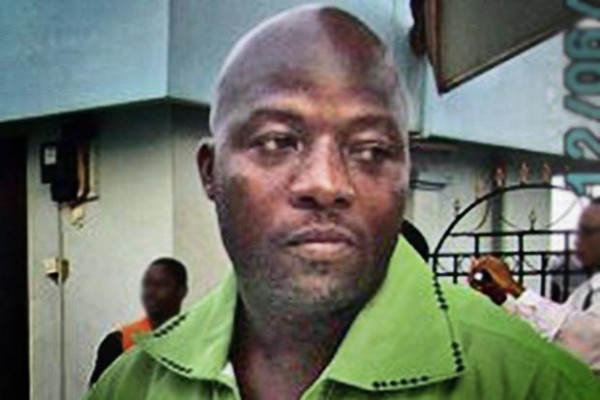
There are eight confirmed cases. And in each one, the patient was either infected in Liberia or Sierra Leone, or had contact with Thomas Eric Duncan, the Liberian returnee who's the sole fatality of the disease in the U.S.

Health care professionals, both within the government and those with little reason to parrot a party line, insist that the chances of any of us catching the virus are miniscule.

If we really need something to worry about, they say, worry about getting your flu shots. From 1976 through 2007, flu-related causes killed between 3,000 and 49,000 people in the U.S.

And yet, the disproportionate hysteria over Ebola multiplies contagiously.


http://www.cnn.com/2014/10/20/health/ebola-overreaction/index.html?hpt=hp_t1


Better to be hysterical than waiting until a million people are walking around vomiting, blood shot red eyes, and diarrhea with blood.


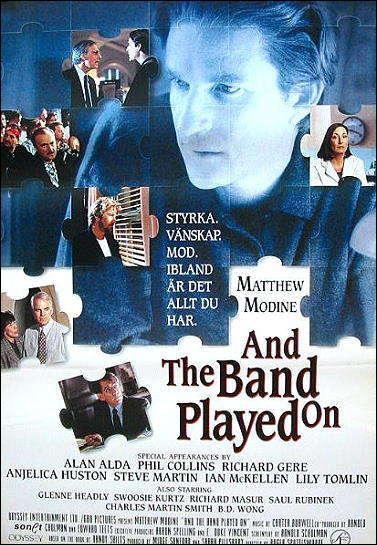
And_the_Band_Played_On_TV-441710019-large.jpg


You want to see what government incompetence leads to than study this movie about Reagan response to HIV, bureaucracy, and politics if you can find it. He dramatically underfunded the CDC for the military, hampering their efforts to determine the cause of symptoms.

I am dealing with my own problems with these idiots, in government and corruption regarding other things. If it was not for the media, infected white medical workers, it would be in the U.S.
 
Last edited:
Smithsonian.com%20logo.jpg


Now We're Crowdfunding Ebola Research??


10_14_2014_ebola.jpg__800x600_q85_crop.jpg


Liberian nurses carry a dead body suspected of dying from the Ebola virus


<img src="http://www.scripps.edu/newsandviews/Faculty_Lecture_Series/images/erica.jpg"><img src="http://www.trbimg.com/img-543ae3b3/turbine/la-me-ln-ebola-crowdfunding-20141012-001/450/450x253" height="216">

Dr. Erica Ollmann Saphire


by Colin Schultz | October 14, 2014 |http://www.smithsonianmag.com/smart-news/now-were-crowdfunding-ebola-research-180953011/?no-ist


Erica Ollmann Saphire runs a lab at the Scripps Research Institute in La Jolla, California, that is part of an international consortium to beat Ebola and other hemorrhagic fevers. Saphire, her staff and her students are trying to figure out how Ebola works, and their discoveries have, along with the work of the rest of the consortium, lead directly to the development of the experimental ZMapp Ebola serum.

Given that Ebola is currently ravaging West Africa in a way never before seen and is currently dominating the news cycle in the U.S., one would think Saphire would have no problem getting the money she needs to do her work. But that's not the world we live in. So, with an eye towards ramping up the pace of her research, Saphire is currently running a crowdfunding campaign.

The campaign aims to raise $100,000 to buy more lab equipment and pay more staff, says the Los Angeles Times. That money would supplement the funding Saphire already gets from the government. Since some guy raised $55,000 on Kickstarter to make potato salad, it'd be nice to think her odds of hitting her goal are pretty good.

As Francis Collins, the director of the National Institutes of Health, said recently, basic research has been undervalued in the U.S. for too long, and now the cracks are starting to show. According to Collins, the NIH "has been working on Ebola vaccines since 2001," reports the Huffington Post:

“It’s not like we suddenly woke up and thought, ‘Oh my gosh, we should have something ready here,'” Collins told the Huffington Post on Friday. “Frankly, if we had not gone through our 10-year slide in research support, we probably would have had a vaccine in time for this that would’ve gone through clinical trials and would have been ready.”​

The NIH's budget has been basically frozen for the past 10 years, says HuffPo—which means the agency's purchasing power has actually dropped 23 percent. To redirect more money toward Ebola research, NIH leaders had to pull it out of other things. But with a frozen budget, there's only so much wiggle room.

<span style="background-color: #FFFF00"><b>“We all want a cure for Ebola,” said Saphire in a presentation attended by the Los Angeles Times. “But the free market is not going to support it because it begins by infecting people who are very poor."</b></span>

As of Sunday night Saphire's crowdfunding campaign had only pulled in around $500. Over the past couple days, however, that total has climbed up to $18,000.


<hr noshade color="#ff0000" size="10"></hr>
 
We need health insurance companies and the government to pay for vaccines and drugs before a disease becomes widespread.


Why would a health insurance company pay unless they receive a medical bill?

Let say a disease like Ebola hits the U.S. will cost the industry $50 billion dollars based on projections. Wouldn't it makes sense to pay a $1 billion to drug companies for a vaccine and save $49 billion in medical claims. Just imagine if they jumped in on AIDS before it hit.
 
Last edited:
Back
Top