

Install the app
How to install the app on iOS
Follow along with the video below to see how to install our site as a web app on your home screen.
Note: This feature may not be available in some browsers.
You are using an out of date browser. It may not display this or other websites correctly.
You should upgrade or use an alternative browser.
You should upgrade or use an alternative browser.
Autocthonous American History aka Black/African American History & History of Autocthonous People World Wide
- Thread starter Lexx Diamond
- Start date


Amaru Namaa Taga Xi-Ali
NOW check out the message in 1890 The last lil Black Indian married outside of his people and Indigenous identity was erased ♂️ The message is right on yo face CDIB genocide policy Broken...
 www.facebook.com

’Welfare Over Fathers’
The Welfare Revolt
1967 Documentary
This documentary looks at the faces within the welfare rolls, and echoing them, finds defeat, degradation, and "an aura of illegitimacy" engendered by "cumbersome and paternalistic" rules. Welfare is treated as a "privilege" rather than as a "right" recipients feel. There is not enough money for a decent existence -- each request for money to clothe a child is an act of self-abasement. Work is discouraged, since a woman can keep only a negligible share of her earnings while she remains on welfare.
And, in the case of deserted or unmarried women with dependent children there is almost no chance of a decent relationship with a man, because the system permits that an apartment to be searched at any time of the day, and that she be deprived of her welfare check if a man (even the children's father) is found on the premises.
The Welfare Revolt
1967 Documentary
This documentary looks at the faces within the welfare rolls, and echoing them, finds defeat, degradation, and "an aura of illegitimacy" engendered by "cumbersome and paternalistic" rules. Welfare is treated as a "privilege" rather than as a "right" recipients feel. There is not enough money for a decent existence -- each request for money to clothe a child is an act of self-abasement. Work is discouraged, since a woman can keep only a negligible share of her earnings while she remains on welfare.
And, in the case of deserted or unmarried women with dependent children there is almost no chance of a decent relationship with a man, because the system permits that an apartment to be searched at any time of the day, and that she be deprived of her welfare check if a man (even the children's father) is found on the premises.
The Hidden Black Society They Don’t Teach You About
October 22, 2025
Deep in the Great Dismal Swamp, thousands of Black people created a hidden free society, one that defied slavery for centuries. This is the story of the rebels who turned a swamp into a sanctuary.
This episode of ‘In The Margins’ is part of PBS’ America@250 collection, celebrating the country’s 250th anniversary. Democracy is built on participation.
October 22, 2025
Deep in the Great Dismal Swamp, thousands of Black people created a hidden free society, one that defied slavery for centuries. This is the story of the rebels who turned a swamp into a sanctuary.
This episode of ‘In The Margins’ is part of PBS’ America@250 collection, celebrating the country’s 250th anniversary. Democracy is built on participation.
Black Americans Express Their 1960s Rage
David Hoffman
Have Things Changed?
These black Americans are angry. And expressing it articulately. Does it sound like today? In some ways yes. With the murder of George Floyd, people have gone into the streets again and some of what I present here could sound like it was recorded in the present.
Some subscribers asked why I use the word rage in my title. Yes they are angry. Yes they are seething. Yes they are disgusted and frustrated, the speakers. Looking up the definition of the word rage, I feel that some of these expressions speak to that emotion. I have interviewed so many people of all stripes on this issue and the stories that I have heard from black Americans who have suffered indignities that seem hard to believe. Somewhat disgusting. Some people have treated them as subhuman.
There is not much one can say who has not experienced what they have but I feel that by presenting this history, certainly not all that occurred back then, but a part of it, that I am helping to create a historical record which is three-dimensional if you look at the dozens of commentaries I have posted on my YouTube channel regarding civil rights, human rights, American history, family life, etc. during the 1950s, the 1960s, up into the present. I am over 80 years old and I'm still recording stories and commentaries like these.
David Hoffman
Have Things Changed?
These black Americans are angry. And expressing it articulately. Does it sound like today? In some ways yes. With the murder of George Floyd, people have gone into the streets again and some of what I present here could sound like it was recorded in the present.
Some subscribers asked why I use the word rage in my title. Yes they are angry. Yes they are seething. Yes they are disgusted and frustrated, the speakers. Looking up the definition of the word rage, I feel that some of these expressions speak to that emotion. I have interviewed so many people of all stripes on this issue and the stories that I have heard from black Americans who have suffered indignities that seem hard to believe. Somewhat disgusting. Some people have treated them as subhuman.
There is not much one can say who has not experienced what they have but I feel that by presenting this history, certainly not all that occurred back then, but a part of it, that I am helping to create a historical record which is three-dimensional if you look at the dozens of commentaries I have posted on my YouTube channel regarding civil rights, human rights, American history, family life, etc. during the 1950s, the 1960s, up into the present. I am over 80 years old and I'm still recording stories and commentaries like these.
Dropping Knowledge: The Radical Barber, White Supremacy Explained
Ernie Chambers
1966
"White supremacy explained in one minute" meme full video
Ernest William Chambers (born July 10, 1937) is an American politician and civil rights activist who represented North Omaha's 11th District in the Nebraska State Legislature from 1971 to 2009 and again from 2013 to 2021. He could not run in 2020 due to term limits.
Chambers is the longest-serving state senator in Nebraska history, having represented North Omaha for 46 years. For most of his career, Chambers was the only nonwhite senator. He is the only African-American to have run for governor and the first to have run for U.S. Senate in Nebraska history. For years he was the only openly atheist member of any state legislature in the United States.
—————-
A Time for Burning is a 1966 American documentary film that explores the attempts of the minister of Augustana Lutheran Church in Omaha, Nebraska, to persuade his all-white congregation to reach out to "Negro" Lutherans in the city's north side. The film was directed by San Francisco filmmaker William C. Jersey and was nominated for Best Documentary Feature in the 1967 Academy Awards. The film was commissioned by the Lutheran Church in America.
The film is shot in "cinéma vérité" style. It chronicles the relationship between the minister, L. William Youngdahl, and his white and black Lutheran parishioners. Youngdahl was the son of former Minnesota governor and federal judge Luther Youngdahl. The film includes a meeting between Youngdahl and a black barber, Ernie Chambers, who tells Youngdahl that his Jesus is "contaminated." At one point another Omaha Lutheran minister, Walter E. Rowoldt of Luther Memorial Lutheran Church, says, "This one lady said to me, 'pastor', she said, 'I want them to have everything I have, I want God to bless them as much as he blesses me, but', she says, 'pastor, I just can't be in the same room with them, it just bothers me'." Rowoldt and other ministers also discuss the concern that blacks moving into white neighborhoods will decrease property values.
The attempt to reach out does not succeed and Youngdahl resigns as minister of the church.
In 2005, A Time for Burning was selected for preservation in the United States National Film Registry by the Library of Congress as "culturally, historically, or aesthetically significant".
Chambers completed law school and was elected to the Nebraska Legislature in 1970. By 2005, he had become the longest-serving state senator in Nebraska history.
Ernie Chambers
1966
"White supremacy explained in one minute" meme full video
Ernest William Chambers (born July 10, 1937) is an American politician and civil rights activist who represented North Omaha's 11th District in the Nebraska State Legislature from 1971 to 2009 and again from 2013 to 2021. He could not run in 2020 due to term limits.
Chambers is the longest-serving state senator in Nebraska history, having represented North Omaha for 46 years. For most of his career, Chambers was the only nonwhite senator. He is the only African-American to have run for governor and the first to have run for U.S. Senate in Nebraska history. For years he was the only openly atheist member of any state legislature in the United States.
—————-
A Time for Burning is a 1966 American documentary film that explores the attempts of the minister of Augustana Lutheran Church in Omaha, Nebraska, to persuade his all-white congregation to reach out to "Negro" Lutherans in the city's north side. The film was directed by San Francisco filmmaker William C. Jersey and was nominated for Best Documentary Feature in the 1967 Academy Awards. The film was commissioned by the Lutheran Church in America.
The film is shot in "cinéma vérité" style. It chronicles the relationship between the minister, L. William Youngdahl, and his white and black Lutheran parishioners. Youngdahl was the son of former Minnesota governor and federal judge Luther Youngdahl. The film includes a meeting between Youngdahl and a black barber, Ernie Chambers, who tells Youngdahl that his Jesus is "contaminated." At one point another Omaha Lutheran minister, Walter E. Rowoldt of Luther Memorial Lutheran Church, says, "This one lady said to me, 'pastor', she said, 'I want them to have everything I have, I want God to bless them as much as he blesses me, but', she says, 'pastor, I just can't be in the same room with them, it just bothers me'." Rowoldt and other ministers also discuss the concern that blacks moving into white neighborhoods will decrease property values.
The attempt to reach out does not succeed and Youngdahl resigns as minister of the church.
In 2005, A Time for Burning was selected for preservation in the United States National Film Registry by the Library of Congress as "culturally, historically, or aesthetically significant".
Chambers completed law school and was elected to the Nebraska Legislature in 1970. By 2005, he had become the longest-serving state senator in Nebraska history.
The Day The Police Dropped A Bomb On Philadelphia
2021

 whyy.org
In this episode of "I Was There", VICE meets with Ramona Africa, one of the only survivors of the police bombing in a residential neighborhood of Philadelphia in 1985. The bombing was a result of a conflict between the Philadelphia police department and the MOVE organization, the black liberation group in which Ramona belonged. The targeted house was the headquarters of the MOVE group, which had garnered complaints from their neighbors in the predominantly Black neighborhood.
2021
40 years after Philly's MOVE bombing, pilot speaks on the warning he gave to city
A look back at 1985’s MOVE bombing with exclusive details from the helicopter pilot who flew an initial surveillance flight over the group’s bunker.
whyy.org
In this episode of "I Was There", VICE meets with Ramona Africa, one of the only survivors of the police bombing in a residential neighborhood of Philadelphia in 1985. The bombing was a result of a conflict between the Philadelphia police department and the MOVE organization, the black liberation group in which Ramona belonged. The targeted house was the headquarters of the MOVE group, which had garnered complaints from their neighbors in the predominantly Black neighborhood.
Sammy Davis Jr. On Malcolm X and MLK
10 Common Phrases With Racist Roots
You’ve probably said phrases like “sold down the river,” “master bedroom,” or “uppity” without knowing their disturbing past.
In this video, we dive deep into the racist origins of everyday language—exposing how terms we use casually today were born out of slavery, segregation, colonialism, and white supremacy.
From children’s rhymes like “eeny, meeny, miny, moe” to real estate terms like “master bedroom,” these words carry hidden histories that deserve to be told.
This isn’t about canceling language—it’s about understanding the truth behind it.
Because if we don’t know our history… we repeat it in silence.
You’ve probably said phrases like “sold down the river,” “master bedroom,” or “uppity” without knowing their disturbing past.
In this video, we dive deep into the racist origins of everyday language—exposing how terms we use casually today were born out of slavery, segregation, colonialism, and white supremacy.
From children’s rhymes like “eeny, meeny, miny, moe” to real estate terms like “master bedroom,” these words carry hidden histories that deserve to be told.
This isn’t about canceling language—it’s about understanding the truth behind it.
Because if we don’t know our history… we repeat it in silence.
I know this is an ancient post, but...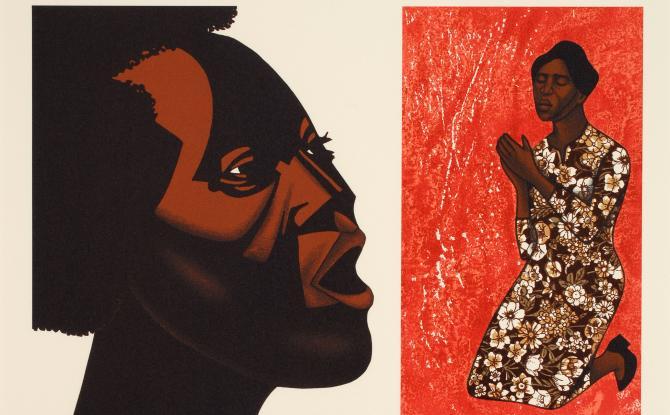
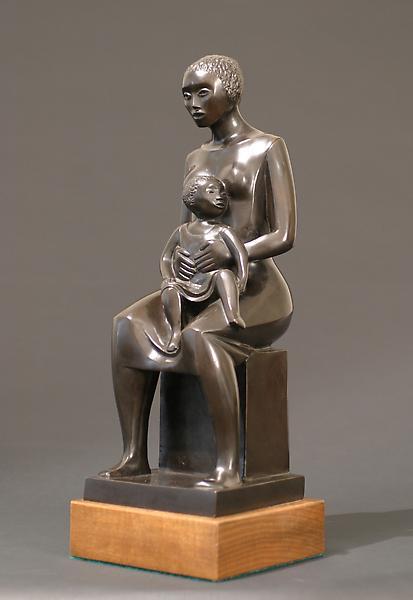
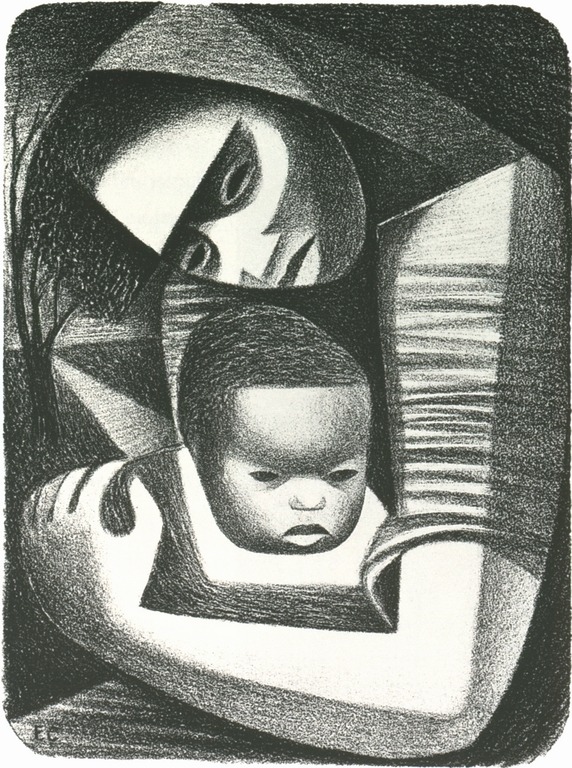
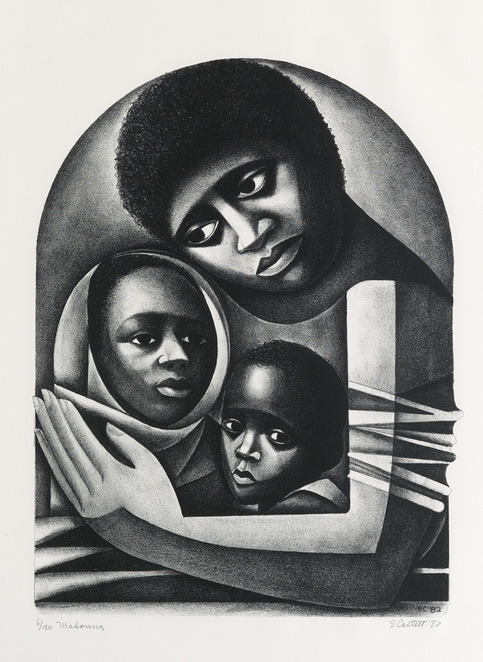
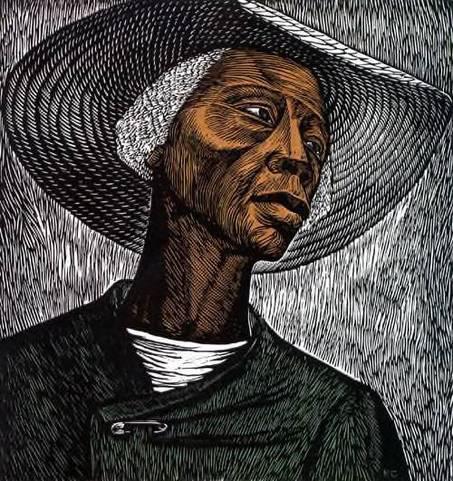
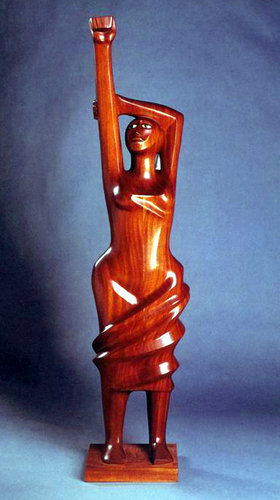
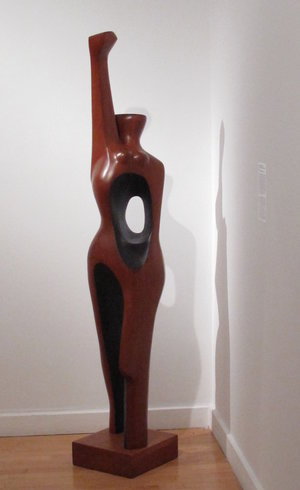
Elizabeth Catlett (1915 - 2012)
Top: Singing Their Songs (1992)
Row 2 Left: Mother and Child (1975)
Row 2 Right: Mother and Child (1944)
Row 3 Left: Madonna (1982)
Row 3 Right: Sharecropper (1952)
Bottom Left: Homage To Black Women Poets (1984) …
Bottom Right: Homage To My Young Black Sisters (1968)
biographical and quote sources:source1 (pdf)
- granddaughter of former slaves.
- father, a mathematics professor at Tuskegee University, died just before her birth
- won a scholarship to the then-Carnegie Institute of Technology in Pittsburgh, but ended up at Howard University to study painting and design after Carnegie refused to accept a black woman
- first Black woman to graduate with a M.F.A. in sculpture from the University of Iowa
- “I, as an artist, a black woman artist, have been invisible in the art world for years”
- “I have always wanted my art to service my people—to reflect us, to relate to us, to stimulate us, to make us aware of our potential”
I actually met her when I was in high school. I worked at a gallery part time, and helped with setting up exhibits. She was an extraordinary artist. The work really has to be experienced in person to feel its true depth.
Never forgive and never forget. "The lynching of 1891" New Orleans
Innocent Italian-Americans got caught in the crosshairs of a bigoted mob.

Published: October 25, 2017Last Updated: May 27, 2025
A mob of tens of thousands of angry men surrounded a New Orleans jail, shouting angry slurs and calling for blood. By the time they were done, 11 men would be dead—shot and mutilated in an act of brutal mob violence that took place in front of a cheering crowd. It was 1891, and the crowd was about to participate in one of the largest lynchings in U.S. history.
Nearly 5,000 lynchings—vigilante murders that included shootings, hangings and other forms of mob “justice”—were recorded in the United States between 1882 and 1968. Most of their victims were African American men. But though the New Orleans lynch mob was driven by bigotry, its targets weren’t Black people.
They were Italian Americans. March 14, 1891, would go down in history as one of the darkest moments in the United States’ long history of anti-Italian discrimination.
It began with the murder of David Hennessy. A popular police chief, Hennessy was shot down by gunmen while walking home from work. As he lay dying, a witness asked him who did it. Hennessy reportedly whispered a slur for Italians.

Italian rioters breaking into a Parish Prison, New Orleans, 1891. (Credit: World History Archive/Alamy Stock Photo)
New Orleans at the time was home to more Italian immigrants than any other Southern state. Between 1884 and 1924, nearly 300,000 Italian immigrants, most of them Sicilian, moved to New Orleans, earning the French Quarter the nickname “Little Palermo.”
These immigrants were hardworking and religious, but they were not welcomed by New Orleans residents. Though Italians had been living in New Orleans since before the Louisiana Purchase, their language and customs were considered foreign and even dangerous by some.
“Sicilians were viewed by many Americans as culturally backward and racially suspect,” writes historian Manfred Berg. Because of their dark skin, they were often treated with the same contempt as Black people. They were also suspected of Mafia connections, and their family networks were closely watched by the New Orleans police.
At the time of Hennessy’s murder, a feud had broken out between two Sicilian families, the Provenzanos and the Matrangas. Hennessy kept close watch over the Matrangas and earned their enmity when he helped capture and deport a crime boss the family defended. But he had other enemies, too: As chief of police, he made a series of unpopular decisions to consolidate the force, and helped collect taxes on brothels and gambling houses.
His assassination—and accusation—fanned the flames of anti-Italian sentiment in New Orleans. Police rounded up hundreds of Italians, even those who didn’t seem to be associated with the attack. Local papers fueled the fire, demanding justice and declaring nine men who were arrested on suspicion of a connection to the murder guilty before they were even tried.

11 Italian Americans were held liable by lynching for the killing of David C. Hennessy police chief town. (Credit: SeM/UIG via Getty Images)
When news spread that the trial had resulted in six not-guilty convictions and three mistrials, the city went wild. They assumed that the Mafia had somehow influenced jurors or fixed the trial and that justice had not been served. “Rise, people of New Orleans!” wrote the Daily States newspaper. “Alien hands of oath-bound assassins have set the blot of a martyr’s blood upon your vaunted civilization.” The message was clear: If the New Orleans justice system couldn’t punish Italians, the people of New Orleans would have to do so instead.
In response, thousands of angry residents gathered near the jail. Impassioned speakers whipped the mob into a frenzy, painting Italian immigrants as criminals who needed to be driven out of the city. Finally, the mob broke into the city’s arsenal, grabbing guns and ammunition.
A smaller group of armed men stormed the prison, grabbing not just the men who had been acquitted or given a mistrial, but several who had not been tried or accused in the crimes. Shots rang out—hundreds of them. Eleven men’s bodies were riddled with bullets and torn apart by the crowd.
Outside the jail, the larger mob cheered as the mutilated bodies were displayed. Some corpses were hanged; what remained of others were torn apart and plundered for souvenirs.
The act of vigilante justice was decried by the Italian government, which demanded the lynch mob be punished. But many Americans, swept up on a tide of anti-immigrant sentiment, applauded the killings. An editorial in the New York Times called the victims “desperate ruffians and murderers. These sneaking and cowardly Sicilians, the descendants of bandits and assassins…are to us a pest without mitigations.”
The lynch mob—composed of some of New Orleans’ most prominent residents, including future mayors and governors—went unpunished. Though the grand jury said the crowd included some of “the first, best, and even the most law-abiding, of the citizens of this city,” it claimed that none of the killers could be identified.
The real identity of Hennessy’s murderer was never determined. However, the lynchings his death inspired had lasting repercussions for Italian Americans. In the years after, the supposed (and unproven) Mafia conspiracy behind the acquittals was used as an excuse to discriminate against other Italian Americans for decades afterward.
The lynchings were the most violent expression of anti-Italian feeling in America, but far from an isolated event. Bigoted sentiments surged again during World War II, when Italy entered the war on Germany’s side. Today the 1891 lynchings in New Orleans are a reminder of how quickly anti-immigrant rhetoric can turn deadly—even in a city that now proudly celebrates its Italian heritage.

 www.history.com
The Grisly Story of One of America’s Largest Lynching. "The lynching of 1891" New Orleans
Innocent Italian-Americans got caught in the crosshairs of a bigoted mob.
Published: October 25, 2017Last Updated: May 27, 2025
A mob of tens of thousands of angry men surrounded a New Orleans jail, shouting angry slurs and calling for blood. By the time they were done, 11 men would be dead—shot and mutilated in an act of brutal mob violence that took place in front of a cheering crowd. It was 1891, and the crowd was about to participate in one of the largest lynchings in U.S. history.
Nearly 5,000 lynchings—vigilante murders that included shootings, hangings and other forms of mob “justice”—were recorded in the United States between 1882 and 1968. Most of their victims were African American men. But though the New Orleans lynch mob was driven by bigotry, its targets weren’t Black people.
They were Italian Americans. March 14, 1891, would go down in history as one of the darkest moments in the United States’ long history of anti-Italian discrimination.
It began with the murder of David Hennessy. A popular police chief, Hennessy was shot down by gunmen while walking home from work. As he lay dying, a witness asked him who did it. Hennessy reportedly whispered a slur for Italians.
Italian rioters breaking into a Parish Prison, New Orleans, 1891. (Credit: World History Archive/Alamy Stock Photo)
New Orleans at the time was home to more Italian immigrants than any other Southern state. Between 1884 and 1924, nearly 300,000 Italian immigrants, most of them Sicilian, moved to New Orleans, earning the French Quarter the nickname “Little Palermo.”
These immigrants were hardworking and religious, but they were not welcomed by New Orleans residents. Though Italians had been living in New Orleans since before the Louisiana Purchase, their language and customs were considered foreign and even dangerous by some.
“Sicilians were viewed by many Americans as culturally backward and racially suspect,” writes historian Manfred Berg. Because of their dark skin, they were often treated with the same contempt as Black people. They were also suspected of Mafia connections, and their family networks were closely watched by the New Orleans police.
At the time of Hennessy’s murder, a feud had broken out between two Sicilian families, the Provenzanos and the Matrangas. Hennessy kept close watch over the Matrangas and earned their enmity when he helped capture and deport a crime boss the family defended. But he had other enemies, too: As chief of police, he made a series of unpopular decisions to consolidate the force, and helped collect taxes on brothels and gambling houses.
His assassination—and accusation—fanned the flames of anti-Italian sentiment in New Orleans. Police rounded up hundreds of Italians, even those who didn’t seem to be associated with the attack. Local papers fueled the fire, demanding justice and declaring nine men who were arrested on suspicion of a connection to the murder guilty before they were even tried.
11 Italian Americans were held liable by lynching for the killing of David C. Hennessy police chief town. (Credit: SeM/UIG via Getty Images)
When news spread that the trial had resulted in six not-guilty convictions and three mistrials, the city went wild. They assumed that the Mafia had somehow influenced jurors or fixed the trial and that justice had not been served. “Rise, people of New Orleans!” wrote the Daily States newspaper. “Alien hands of oath-bound assassins have set the blot of a martyr’s blood upon your vaunted civilization.” The message was clear: If the New Orleans justice system couldn’t punish Italians, the people of New Orleans would have to do so instead.
In response, thousands of angry residents gathered near the jail. Impassioned speakers whipped the mob into a frenzy, painting Italian immigrants as criminals who needed to be driven out of the city. Finally, the mob broke into the city’s arsenal, grabbing guns and ammunition.
A smaller group of armed men stormed the prison, grabbing not just the men who had been acquitted or given a mistrial, but several who had not been tried or accused in the crimes. Shots rang out—hundreds of them. Eleven men’s bodies were riddled with bullets and torn apart by the crowd.
Outside the jail, the larger mob cheered as the mutilated bodies were displayed. Some corpses were hanged; what remained of others were torn apart and plundered for souvenirs.
The act of vigilante justice was decried by the Italian government, which demanded the lynch mob be punished. But many Americans, swept up on a tide of anti-immigrant sentiment, applauded the killings. An editorial in the New York Times called the victims “desperate ruffians and murderers. These sneaking and cowardly Sicilians, the descendants of bandits and assassins…are to us a pest without mitigations.”
The lynch mob—composed of some of New Orleans’ most prominent residents, including future mayors and governors—went unpunished. Though the grand jury said the crowd included some of “the first, best, and even the most law-abiding, of the citizens of this city,” it claimed that none of the killers could be identified.
The real identity of Hennessy’s murderer was never determined. However, the lynchings his death inspired had lasting repercussions for Italian Americans. In the years after, the supposed (and unproven) Mafia conspiracy behind the acquittals was used as an excuse to discriminate against other Italian Americans for decades afterward.
The lynchings were the most violent expression of anti-Italian feeling in America, but far from an isolated event. Bigoted sentiments surged again during World War II, when Italy entered the war on Germany’s side. Today the 1891 lynchings in New Orleans are a reminder of how quickly anti-immigrant rhetoric can turn deadly—even in a city that now proudly celebrates its Italian heritage.
The Grisly Story of One of America’s Largest Lynching | HISTORY
Innocent Italian-Americans got caught in the crosshairs of a bigoted mob.
Code:
https://www.tumblr.com/arinzeture/802339162058588160/edmonia-lewis-say-her-name?source=shareSimilar threads

- Replies
- 7
- Views
- 408

- Replies
- 0
- Views
- 386


- Replies
- 4
- Views
- 1K
S
- Replies
- 3
- Views
- 2K