
Install the app
How to install the app on iOS
Follow along with the video below to see how to install our site as a web app on your home screen.
Note: This feature may not be available in some browsers.
You are using an out of date browser. It may not display this or other websites correctly.
You should upgrade or use an alternative browser.
You should upgrade or use an alternative browser.
Vintage Black Glamour
- Thread starter Camille
- Start date



this was our time. Thanks for posting

Legendary Nina Simone and Redd Foxx
1950

1950

Legendary Italian film actress Gina Lollobrigida and The Platters including Zola Taylor in the 1950s.

Camile this is one helluva thread and I thank you. I use photos like these for my screensaver.
this was our time. Thanks for posting
Thanks!! And thanks to Thoughtone for keeping it going.

Sidney Poitier and Harry Belafonte chatting during the March on Washington. (1963)

"You are part of something very old. It’s the same thing that connects you to the earth and to time. That dark skin on your face and the back of your hand is ancient, older than the pyramids. Cherish it."
Celia Cruz song: "Azúcar Negra" (Black Sugar)

Celia Cruz song: "Azúcar Negra" (Black Sugar)
They couldn't see each other before the wedding, so they did this instead!


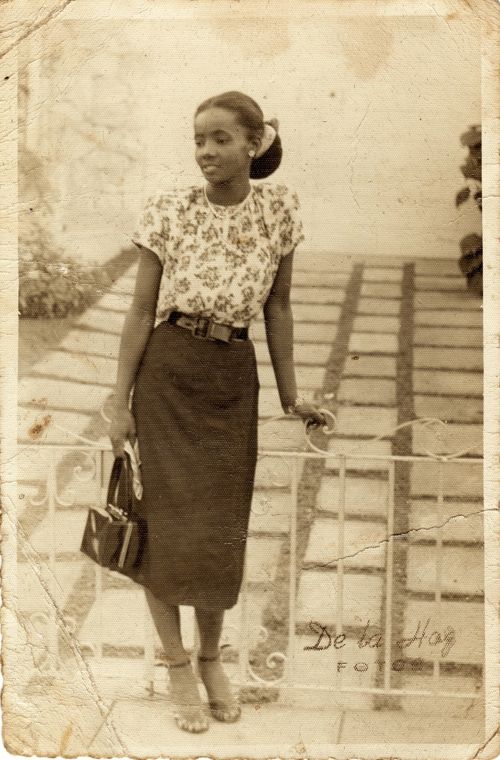
Woman's name unknown.
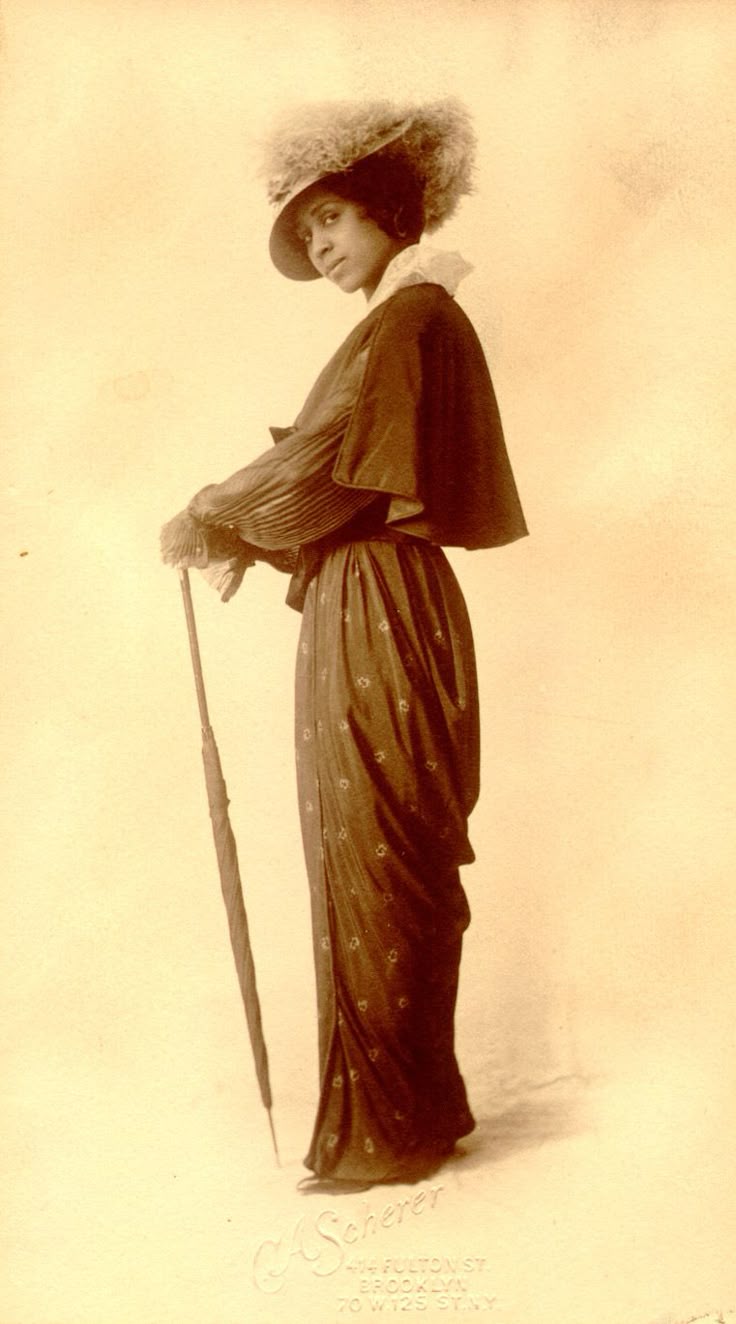
Maggie Walker, daughter of a former slave, was the first woman to be president of an US bank in 1903.

Debbie Allen schooling Phylicia Rashad


Miles Dewey Davis III - 1949

Freda Payne! (1970)

The striking beauty featured is thought to be an 1891 photograph of Selika Lazevski, an écuyère (horsewoman) who performed high level dressage. The écuyères rode side saddle in circuses and hippodromes, and were widely respected for their skills as horsewomen.

Josephine Baker | 1938
Josephine Baker tending her garden at the Chateau des Milandes, her home from 1937 to 1969

Josephine Baker tending her garden at the Chateau des Milandes, her home from 1937 to 1969
Diahann Carroll and New York Congresswoman Shirley Chisholm on April 22, 1974 at the premiere of Ms. Carroll’s movie, “Claudine.” In her 2008 memoir, “The Legs Are The Last To Go,” Ms. Carroll talks about hosting a fundraiser for Congresswoman Chisholm’s 1972 presidential bid at her Beverly Hills home.

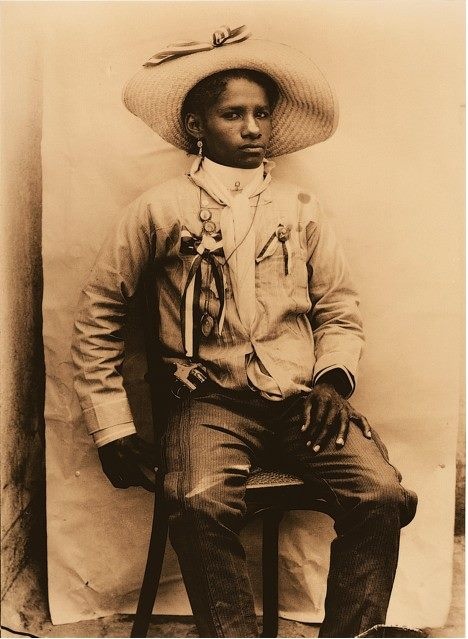
Colonel Carmen Amelia Robles, an Afro Mexican woman who was a leader in the Mexican Revolution. Legend has it that she participated in many battles and that she would shoot her pistol with her right hand and hold her cigar with her left.

1870 Unidentified Brazilian Woman.

Havana, Cuba 1950s

The family side.

Billie Holiday as photographed by Carl Van Vechten, looking gorgeous in stunning color, in 1949.

Brooklyn born, Ja'Net DuBois; "Willona" on "Good Times"
1964

1964

The Champs!
Joe Lewis and Jessie Owens (1935)

Joe Lewis and Jessie Owens (1935)
Beautiful! Michelle Obama surprises dancers before their recital

The First Lady as a baby. Just like her mom!

President Obama and his Grandmother in Africa.


D O R O T H Y
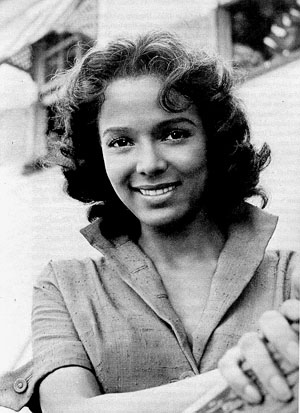


DANDRIDGE
Extracted from: Scandals of Classic Hollywood: Dorothy Dandridge vs. The WorldDorothy Dandridge was a fighter. Growing up in The Depression and making her way through Hollywood in the ‘40s, she encountered resistance — to her skin color, to her refusal to play demeaning roles — at every turn. She was assailed in the press for dating white men, and blamed herself for her husband’s philandering and her daughter’s brain damage. Nearly every societal convention was against her. And yet she managed to make a handful of gorgeous, invigorating films — films that offer a glimpse at the superstar she would have become if the studios knew what to do with with a beautiful black woman.
Her beauty was indeed phenomenal. She was called “the black Marilyn Monroe” and had flawless, radiant skin the black press referred to as “honey” and “cafe au lait.” And there was the certain way she took ownership of a room, with a reverberating, confident laugh and fierce, dazzling eyes. But being a black actor in the 1950s meant playing savages, slaves, and mamies — debasing roles that Dandridge refused on principle. In the films where she did get to play a a non-servant, non-exotic, non-savage, she was not allowed to do more than kiss, as the idea of a black woman in love was altogether too dangerous for the screen. “If I were white,” Dandridge explained, “I would capture the world.”
Dandridge was born in 1922 to Ruby Dandridge, a performer and aspiring actress. Ruby had left Dorothy’s father five months before, taking her other daughter, Vivian, with her. Both girls showed some sort of aptitude for performance — or maybe that aptitude was drilled into them — and one of Ruby’s friends, a woman named Geneva, moved in to help refine their singing and dancing skills. Years later, Dorothy and Vivian would figure out that Geneva was much more than her mother’s friend, but at the moment, she simply made them practice until they collapsed. Think wrist slaps and tears.
The girls became an act — “The Wonder Children” — and earned a spot with the National Baptist Convention touring churches throughout the South. This went on for three years, which sounds like a whole lot of churching, but Dorothy and Vivian no longer looked exactly like “children.” They added another girl, Etta Jones, to the act and became “The Dandridge Sisters,” touring all over California and eventually landing a gig at The Cotton Club. In short, the Dandridge girls spent their youth being corrected by their exacting stage mother, performing for church ladies, and receiving little to no schooling.
Dorothy Dandridge: A 1st for the Academy Awards
She was the first African American, male or female, to be Oscar-nominated
for a leading role, but sadly, her career and life had a tragic ending.
She was the first African American, male or female, to be Oscar-nominated
for a leading role, but sadly, her career and life had a tragic ending.

Screenshot of Dorothy Dandridge from the trailer for the film The
Decks Ran Red in 1957
The Root
By: Henry Louis Gates Jr.
and Julie Wolf
February 23, 2015
Who was the first African American to be nominated for an Academy Award in a leading role?
Two black women had been honored before at the Academy Awards, both in the best supporting actress category: Hattie McDaniel, in 1939, the first African American ever to be nominated for an Oscar, and to win; and Ethel Waters, in 1949. But in 1954 Dorothy Dandridge (1922-1965) made history when her name was read in the top category.
Dandridge, a performer since she was a child, desired Hollywood stardom. The few roles available to black actresses—servants, slaves, “loose” women—she found demeaning, and except for some small parts, she held out. The nightclub circuit proved more fruitful, and her reputation and clout grew. In 1951 she became the first black performer to entertain in the dining room of St. Louis’ Chase Hotel—but only after it met her demands that black patrons could use the main entrance and eat in the same dining room.
Still, Hollywood beckoned, and Dandridge accepted a role she would previously have shunned: a jungle queen in Tarzan’s Peril (1951). Her next role, however, met her standards: that of a teacher in a rural African-American school in Bright Road (1953). Her most celebrated part was the lead in Carmen Jones (1954), which promised to open doors that had been closed to her because of her race. For that performance, in 1954 Dandridge became the first black actor of either sex to be nominated for an Oscar in a starring role.
In November, dressed as Carmen, she was the first African American ever featured on the cover of Life magazine. Presenting the Oscar for film editing at the 27th annual Academy Awards in 1955, she became the first black woman to participate in the televised broadcast. Grace Kelly won the best actress statue, but Dandridge’s rise seemed assured when 20th Century Fox offered her a three-year contract, a first by the studio for a black actor. Later that year Dandridge made headlines again as the first black headliner at New York City’s Waldorf-Astoria Hotel.
But there was nowhere for a black leading lady to go. Hollywood’s (to say nothing of society’s) racism fettered her. Verboten under the stifling Production Code, the interracial affairs implied in Island in the Sun (1957) and Tamango (1959) sparked controversy. By the late 1950s, Dandridge had little choice but to accept roles that she would once have refused, and she took the lead in Porgy and Bess (1959), a production riddled with stereotyped characters. Dandridge won a Golden Globe for her performance.
Her decline was tragic. She became addicted to pills and alcohol and went bankrupt. Although she made a triumphant return to nightclub performing, she couldn’t capitalize on her success, and when she died in 1965 of either an accidental or an intentional overdose of antidepressants, the 42-year-old Dandridge had $2.14 in the bank.
The epilogue to Dandridge’s story contains the kind of closure that Hollywood adores. In 2002 the best actress Oscar went to Halle Berry, who had portrayed Dandridge three years earlier in the HBO biopic Introducing Dorothy Dandridge. In her emotional acceptance speech, Berry paid homage to Dandridge by name and called the historic moment “so much bigger than me”: “This moment,” she said, “is ... for every nameless, faceless woman of color that now has a chance because this door tonight has been opened,” a door Dandridge had peeked through a half-century before.
Henry Louis Gates Jr. is the Alphonse Fletcher University Professor and founding director of the Hutchins Center for African and African American Research at Harvard University. He is also co-founder of The Root. Follow him on Twitter and Facebook. Julie Wolf is a freelance writer and editor based outside Boston.
By: Henry Louis Gates Jr.
and Julie Wolf
February 23, 2015
Who was the first African American to be nominated for an Academy Award in a leading role?
Two black women had been honored before at the Academy Awards, both in the best supporting actress category: Hattie McDaniel, in 1939, the first African American ever to be nominated for an Oscar, and to win; and Ethel Waters, in 1949. But in 1954 Dorothy Dandridge (1922-1965) made history when her name was read in the top category.
Dandridge, a performer since she was a child, desired Hollywood stardom. The few roles available to black actresses—servants, slaves, “loose” women—she found demeaning, and except for some small parts, she held out. The nightclub circuit proved more fruitful, and her reputation and clout grew. In 1951 she became the first black performer to entertain in the dining room of St. Louis’ Chase Hotel—but only after it met her demands that black patrons could use the main entrance and eat in the same dining room.
Still, Hollywood beckoned, and Dandridge accepted a role she would previously have shunned: a jungle queen in Tarzan’s Peril (1951). Her next role, however, met her standards: that of a teacher in a rural African-American school in Bright Road (1953). Her most celebrated part was the lead in Carmen Jones (1954), which promised to open doors that had been closed to her because of her race. For that performance, in 1954 Dandridge became the first black actor of either sex to be nominated for an Oscar in a starring role.
In November, dressed as Carmen, she was the first African American ever featured on the cover of Life magazine. Presenting the Oscar for film editing at the 27th annual Academy Awards in 1955, she became the first black woman to participate in the televised broadcast. Grace Kelly won the best actress statue, but Dandridge’s rise seemed assured when 20th Century Fox offered her a three-year contract, a first by the studio for a black actor. Later that year Dandridge made headlines again as the first black headliner at New York City’s Waldorf-Astoria Hotel.
But there was nowhere for a black leading lady to go. Hollywood’s (to say nothing of society’s) racism fettered her. Verboten under the stifling Production Code, the interracial affairs implied in Island in the Sun (1957) and Tamango (1959) sparked controversy. By the late 1950s, Dandridge had little choice but to accept roles that she would once have refused, and she took the lead in Porgy and Bess (1959), a production riddled with stereotyped characters. Dandridge won a Golden Globe for her performance.
Her decline was tragic. She became addicted to pills and alcohol and went bankrupt. Although she made a triumphant return to nightclub performing, she couldn’t capitalize on her success, and when she died in 1965 of either an accidental or an intentional overdose of antidepressants, the 42-year-old Dandridge had $2.14 in the bank.
The epilogue to Dandridge’s story contains the kind of closure that Hollywood adores. In 2002 the best actress Oscar went to Halle Berry, who had portrayed Dandridge three years earlier in the HBO biopic Introducing Dorothy Dandridge. In her emotional acceptance speech, Berry paid homage to Dandridge by name and called the historic moment “so much bigger than me”: “This moment,” she said, “is ... for every nameless, faceless woman of color that now has a chance because this door tonight has been opened,” a door Dandridge had peeked through a half-century before.
Henry Louis Gates Jr. is the Alphonse Fletcher University Professor and founding director of the Hutchins Center for African and African American Research at Harvard University. He is also co-founder of The Root. Follow him on Twitter and Facebook. Julie Wolf is a freelance writer and editor based outside Boston.
http://www.theroot.com/articles/his..._american_to_get_an_oscar_nomination_for.html

Sidney Poitier 1960s

Similar threads

- Replies
- 5
- Views
- 583
- Replies
- 3
- Views
- 758
- Replies
- 3
- Views
- 371
- Replies
- 4
- Views
- 771

