THE CANNABIS THREAD 101!!

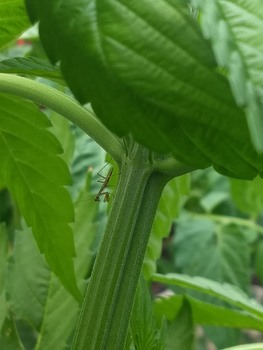
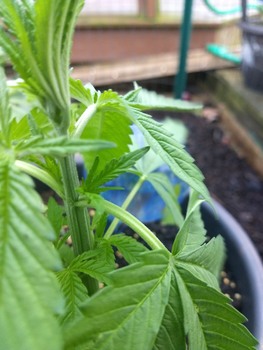
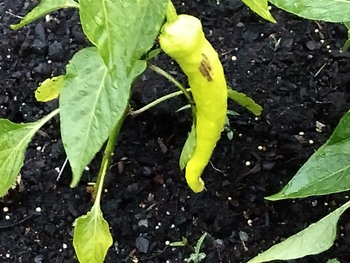
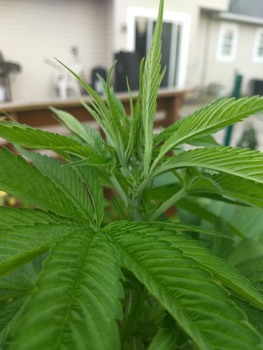
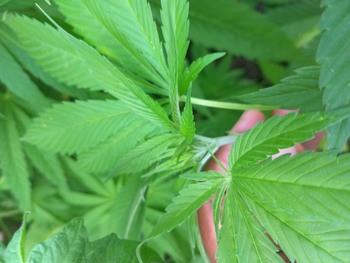
My yard Marines were at work if you see the top picture. I have 50 mantis egg cases all over my yard and half are in the garden. Not all of them have hatched yet.

It's raining out, so i didn't look too close to check gender. I didn't see obvious signs of males, but I'll check closer on Wednesday

 
My yard Marines were at work if you see the top picture. I have 50 mantis egg cases all over my yard and half are in the garden. Not all of them have hatched yet.

It's raining out, so i didn't look too close to check gender. I didn't see obvious signs of males, but I'll check closer on Wednesday

Why the bugs? Insect infestation?
 
Why the bugs? Insect infestation?
Red spider mites. Not an infestation but they control anything that's not supposed to be there.

I got good nutrients in my soil. I buried 5 dozen eggs and a entire case of bananas under the dirt. The stalks on the plant with the mantis is thick as your thumb, by far my most mature.

I'm getting some manure on Thursday. Should I mix it in the dirt or have it on top or just in the soil around the plants?
 
Red spider mites. Not an infestation but they control anything that's not supposed to be there.

I got good nutrients in my soil. I buried 5 dozen eggs and a entire case of bananas under the dirt. The stalks on the plant with the mantis is thick as your thumb, by far my most mature.

I'm getting some manure on Thursday. Should I mix it in the dirt or have it on top or just in the soil around the plants?

Mix the manure.
 
How many times a week, do you feed your girls and how much water per each girl??
I don't really measure how much water, but I water about every other day. the ones that I used potting soil instead of raised bed soil look a little dryer so might give them an extra day. I have 2 aqua globes per plant, also
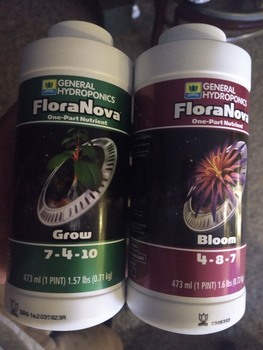
Grow is mostly nitrogen. Use it during veg. It promotes growth.
Bloom is for flowering. Mostly phosphorus. Promotes buds.
I just hit up a farm near me and got some free shit... literally shit.

Should I use the manure in conjunction with The Grow or just The Grow?

Also, I bought some petunias and some Jasmine as well as some honeysuckle to hopefully drown out the smell of the girls. I don't want folks around the neighborhood smelling what's cooking
 
I don't really measure how much water, but I water about every other day. the ones that I used potting soil instead of raised bed soil look a little dryer so might give them an extra day. I have 2 aqua globes per plant, also

I just hit up a farm near me and got some free shit... literally shit.

Should I use the manure in conjunction with The Grow or just The Grow?

Also, I bought some petunias and some Jasmine as well as some honeysuckle to hopefully drown out the smell of the girls. I don't want folks around the neighborhood smelling what's cooking
Manure is good compost. If you're growing in soil, I would suggest growing organically. Fuck those bottles nutrients.
 
Manure is good compost. If you're growing in soil, I would suggest growing organically. Fuck those bottles nutrients.
I am. I buried about 5 dozen eggs and a case of banana peels in the soil. As I said in an earlier post I just added some manure. I'll add a little of the bottled nutrients, but not too much

Because of the planted eggs and banana peels my peppers are already producing after only a month. A couple of my girls are over 2 feet

 
I am. I buried about 5 dozen eggs and a case of banana peels in the soil. As I said in an earlier post I just added some manure. I'll add a little of the bottled nutrients, but not too much

Because of the planted eggs and banana peels my peppers are already producing after only a month. A couple of my girls are over 2 feet

but those nutrients arent organic. and they also appear to be hydro nutrients. if you use the nutes, your plants wont be organic. pm if you want to chop it up.
 
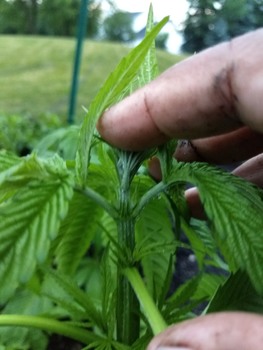
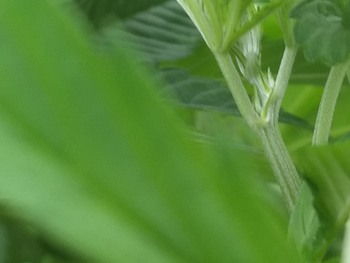
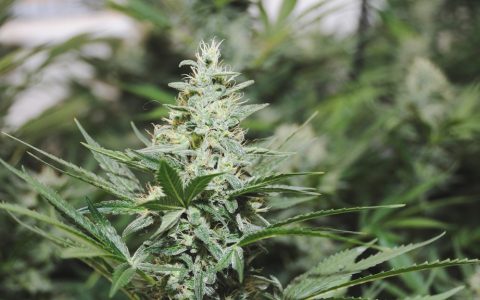
From what u provided....it looks like you have males.
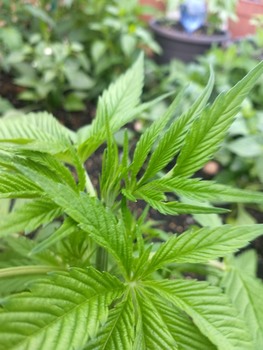
3rd pic from top. That exact spot, small tiny white hairs should be sprouting there.
 
From what u provided....it looks like you have males.
3rd pic from top. That exact spot, small tiny white hairs should be sprouting there.
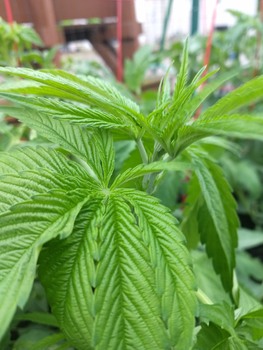
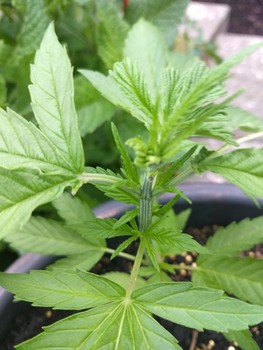
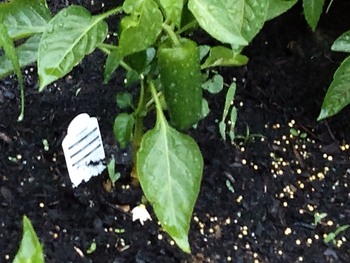
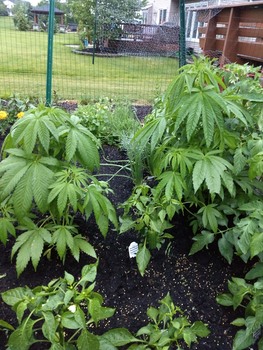
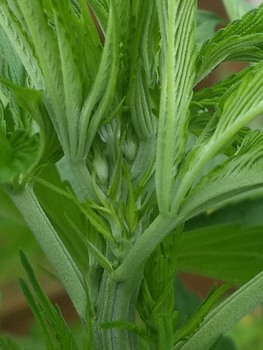
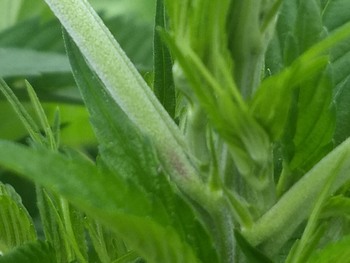
The first 2 pics is plant one, my big one. The next two are the one next to it. Are you saying the second plant is male or both? God, I hope not. Shit, the plant is 5 feet tall. What a waste
 
The first 2 pics is plant one, my big one. The next two are the one next to it. Are you saying the second plant is male or both? God, I hope not. Shit, the plant is 5 feet tall. What a waste

I'm saying every pic you just posted are showing signs of being male. I was just pointing out the location of where the female hairs would grow.
 
I'm saying every pic you just posted are showing signs of being male. I was just pointing out the location of where the female hairs would grow.
Goddamn. Welp, harvesting the leaves for tea. The tea is decent regardless of the gender of the plant, but better from the females
 
A GUIDE TO CANNABIS CONCENTRATES
Part 1, What Are Cannabis Concentrates, Oils, and Extracts?

LEAFLY STAFF
June 17, 2019
NEXT CHAPTER
Cannabis Concentrates for Beginners

Cannabis concentrates, oils, and extracts offer many unique benefits that you won’t find smoking flower. From easy, precise dosing to clean and refined flavors, concentrates focus on the ingredients in cannabis that matter most. In this 4-part series, you’ll learn the fundamentals of concentrates, explore product options, discover how extracts are made, and more.

Cannabis oils, concentrates, and extracts—these all serve as umbrella terms under which sits a warehouse of different products: vape oil, hash, tinctures, dabs, CBD oil, and every other product dreamed up by cannabis chemists.

An oil, concentrate, or extract is any product derived from cannabis flower that is processed into a concentrated form, but each type of cannabis oil is unique.

But why bother with concentrates when you have tried-and-true bud? Flower may be good enough for you, but there are many reasons to explore the many options—and medicines—offered in extract form:

  • You don’t have to smoke extracts. Most consumers choose to vaporize or ingest concentrates for a smoke-free dose.
  • Cannabis oils are efficient. It takes less product to achieve the desired experience.
  • Extracts are refined. Essential oils and cannabinoids are separated from plant material to create a smooth, clean* inhale when vaporized. (*Keep yourself educated on how to find high-quality cannabis oil and avoid unreliable, poorly crafted extracts.)
common-types-of-cannabis-concentrates-final-684x1024.png

(Leafly)
Types of Cannabis Oil
In this series, we’ll explore the many cannabis concentrate options available to you (depending on your local cannabis laws). Here’s a brief list of broad extract types to familiarize you with what’s to come in this series:

  • CBD oil refers to non-intoxicating products that are popularly used to treat a variety of medical conditions. It’s most commonly sold as a tincture or in capsule form.
  • THC oil refers to intoxicating oils that are also popularly used medically, but also deliver euphoric effects. THC-infused oils come in many forms, but the most popular are solids that can be vaporized (called dabs), tinctures, and capsules.
  • Vaporizer cartridges are portable, easy-to-dose oil attachments that pair with a battery. It’s essentially an e-cigarette, but with cannabis.
  • Ingestible oils refer to activated oil that you can consume with food/drinks or in capsule form.
Find the Right Cannabis Concentrate for You
ConcentratesRefresh-Part1-SUBHEAD-1024x640.jpg

(Grant Hindsley for Leafly)
Every extract serves a different purpose and consumer type, so we’ve broken our recommendations down based on your experience with concentrates:

  • New to cannabis concentrates? Part 2 of this series will introduce you to the most common cannabis oils and extracts, and provide product recommendations for inexperienced consumers.
  • Ready to graduate past tinctures and vape pens? Part 3 will introduce you to additional extract forms that you can vaporize, dab, or ingest.
  • Are you a true extract enthusiast? Part 4 will guide you toward cutting-edge concentrates perfect for the oil connoisseur.


A GUIDE TO CANNABIS CONCENTRATES
Part 2, Cannabis Concentrates for Beginners


The world of cannabis concentrates can seem vast and overwhelming, but don’t let that intimidate you: Many products out there are perfect for beginner consumers such as yourself. In this second part of the series, we’ll introduce you to some of the most popular products for concentrate novices.

Looking for symptom relief without the buzz? We’ll get into that, too.

Once you’ve learned which concentrates are easiest to use and dose, you’re likely to keep one of these in your steady stash rotation—because who doesn’t love a smoke-free alternative?
a-guide-to-cannabis-concentrates-684x1024.png

(Leafly)
Find the Right Dose, Potency, and Effects
A concentrate can provide a euphoric high, gentle relaxation, or non-intoxicating symptom relief—it all depends on its ingredients.

  • For a potent and euphoric high, look for an oil high in THC.
  • For a balanced and gentle high, try an extract with an equal mix of THC and CBD.
  • For therapeutic relief without the high, you’ll want a high-CBD, low-THC product.
If using a high-THC product, remember to dose modestly until you’ve dialed in that perfect dose. Remember that even tiny doses—or microdoses—may be all you need to achieve your desired effect such as anxiety relief, focus, or creativity.

With CBD products, getting too high may be a non-issue, but the dosage is still important. Some consumers, depending on their desired effect or medical condition, may require very high doses of CBD while others may benefit from lower doses.

CBD Oil and Hemp Oil
ConcentratesRefresh-Part2-SUBHEAD1-CBDLabel-1024x640.jpg

(Grant Hindsley for Leafly)
CBD oil is a cannabis concentrate abundant in the non-intoxicating compound cannabidiol (that’s the full name for CBD). Offering benefits without the smoke and high, consumers commonly reach for CBD oil when seeking relief from stress, anxiety, pain, inflammation, or another condition that may potentially be treated by CBD.

Is CBD oil the same thing as hemp oil? Not always. Hemp produces CBD and, as such, you can create a CBD oil from it. But cannabis that has been selectively bred to contain higher levels of CBD alongside a spectrum of different beneficial compounds is often regarded as more effective. While hemp oil is widely advertised online, cannabis-derived CBD is only available at your local cannabis shop as these products are subject to different regulations.


Always do your research to ensure that the CBD/hemp oil you’re purchasing is clean and produced by a reputable source.

Note that CBD oil is a broad term that may refer to a number of different products. It can come in the form of a tincture, ingestible RSO liquid, capsules, topicals, and much more. For more information on which form is right for you, keep reading below or check out Leafly’s guide to popular CBD products.

Kief
ConcentratesRefresh-Part2-SUBHEAD2-TreeHawkPowder-KIEF-1024x640.jpg

(Grant Hindsley for Leafly)
Look closely at your cannabis flower and you’ll see a dusting of crystal powder over every nook and cranny of the bud. This is called kief, and it’s created by the plant’s resin glands (called trichomes). Packed inside these tiny, sticky crystals is every reason we consume cannabis: THC, CBD, terpenes, and all the other compounds that harmonize to produce a strain’s effect.

Throughout history, kief has been pressed into hash and smoked for a more potent high. You can collect kief in your grinder and press your own hash, or sprinkle it on top of a bowl for added potency.


Vape Oil
ConcentratesRefresh-Part2-SUBHEAD4-AvitasHarleyQuinn-VAPEOIL-1024x640.jpg

(Grant Hindsley for Leafly)
One of the best starter items for the cannabis-curious is a portable pre-filled vape pen—a simple setup that requires just two things: a battery and an oil cartridge. Easy to use and dose, vaporizer pens deliver an adjustable dose of vapor with just the click of a button (simpler yet, some simply activate when it senses you inhaling).

Pre-filled oil cartridges come in a variety of different strains, flavors, and potencies, so you can choose virtually any experience you’re in the mood for. Choose a CBD-rich cartridge for a low-key relaxed experience sans dizzying euphoria. Or find your favorite strain for that perfectly dialed-in high.

The most common concentrate used in these vape cartridges is CO2 oil, derived through industrial botanical extractors that use pressure and carbon dioxide to separate isolate cannabinoids and other essential compounds. You can learn more about CO2 oil in part 3 of this series.


Rick Simpson Oil (RSO)
ConcentratesRefresh-Part2-SUBHEAD5-RSO-1024x640.jpg

(Grant Hindsley for Leafly)
In 2003, a man named Rick Simpson treated his skin cancer using a homemade cannabis remedy. By soaking the cannabis in pure naphtha or isopropyl alcohol, the therapeutic compounds are drawn out of the plant, leaving behind a dark liquid after the solvent fully evaporates.

Also known as Phoenix Tears, Rick Simpson Oil (RSO) can be applied directly to the skin or orally ingested. Many brands and producers now create their own renditions of RSO, some of which are high in THC while others contain only non-intoxicating compounds like CBD.

It doesn’t offer much in the way of flavor, but RSO is a great choice for medical patients seeking straightforward, smoke-free relief of symptoms.

Tinctures
ConcentratesRefresh-Part2-SUBHEAD6-LordJonesTINCTURE-768x1024.jpg

(Grant Hindsley for Leafly)
Up until prohibition in 1937, tinctures were the most common form of cannabis medicine in the United States. A tincture is a liquid concentrate procured through alcohol extraction, which pulls out many of the plant’s beneficial cannabinoids.

Apply your tincture directly under the tongue and hold it there for 15-20 seconds. Effects typically kick in after 20-30 minutes, but if using a high-THC tincture, it doesn’t hurt to wait a little longer before dosing again.

Tinctures are available in a variety of flavors and potencies, whether you’re seeking a fast-acting THC high or quick relief with CBD.


Ingestible Oil Capsules
ConcentratesRefresh-Part2-SUBHEAD7-THCCBD-Capsules-1024x640.jpg

(Grant Hindsley for Leafly)
With precisely defined dosages, ingestible cannabis oil capsules or pills allow you to consume cannabis as you would any herbal supplement. Filled with CBD, THC, or a combination of various cannabinoids, capsules can offer a predictable experience by providing specific measurements of whichever compound appeals to you. Note: Always make sure the product you buy is lab tested to ensure the advertised dose is accurate.

Ideally, choose a low-dose capsule (5 mg of cannabinoids) and gradually increase until you’ve identified the perfect dose for you. It can take anywhere from 30 minutes to two hours for a capsule’s effects to be fully felt, so practice patience before increasing your dose.


Hash
ConcentratesRefresh-Part2-SUBHEAD3-Temple-HASH-1024x640.jpg

(Grant Hindsley for Leafly)
With a history stretching back thousands of years, the tradition of hash (or hashish) remains alive and well. Traditional methods of hashmaking involve packing the plant’s resin to create compressed, smokable chunks that typically sport THC contents between 40-60%. For comparison, cannabis flowers generally express 15-25% THC.

Technological advancements have largely changed how hash is produced today. More efficient methods involving sieves, ice water, and mechanical pressure now provide us with exceptional quality hash (which you can learn more about in part 3 of this series).


Brotha's and Sista's, This right here is where the money is at in the cannabis green rush!!! But do your own research..


A GUIDE TO CANNABIS CONCENTRATES
Part 3, Advanced Cannabis Concentrates


Cannabis concentrates come in a range of product types, forms, and consistencies. These products may vary in purity or chemical composition (i.e., THC, CBD, terpenes), which generally comes down to how the concentrate is extracted and refined as well as the source material from which the final extract is derived.

There are many different extraction techniques that can result in concentrates exhibiting a range of potencies, textures, and consistencies. These various forms are often named according to how they were made or their appearance—for example, butane hash oil (BHO) refers to extracts created using the solvent butane, and shatter describes a concentrate that appears glasslike in texture.

In this section, you’ll learn more about the different types of concentrates that are popularly vaporized or dabbed by consumers looking for a potent and refined cannabis product. We’ll also explain how they’re made through a variety of extraction processes.
How Cannabis Extracts Are Made
When it comes to concentrating the cannabinoids and terpenes from cannabis, methods can generally be broken into two primary types: solvent-based and solventless extractions.

Sound complicated? Don’t worry, we’ll break it down for you.

Solvent Extraction
concentrates-refresh-solventless-extraction-1024x640.jpg

(Grant Hindsley for Leafly)
Solvent-based methods are commonly used by commercial extractors looking to create large volumes of extract. They use chemical solvents like ethanol, butane, propane, carbon dioxide, and others to strip essential oils (i.e., cannabinoids and terpenes) from plant material.

Most solvent-based extraction methods require a process known as purging. During this process, the remaining chemical solvents evaporate from the extract. Products labeled solvent-free are solvent-based extractions that have the chemical solvent completely removed during purging. (Note: Solvent-free is different from solventless extraction—the latter does not use chemical solvents at any stage of production.)


Solventless Extraction
solventless-extraction-concentrates-refresh-1024x640.jpg

(Grant Hindsley for Leafly)
Solventless extraction uses mechanical techniques that utilize pressure, temperature, and filtration to concentrate the essential compounds from the plant material. The tools used to create solventless extracts, like hash and rosin, are relatively accessible and safe to use at home.

Solventless techniques are usually more labor-intensive than solvent-based extraction, but concentrate enthusiasts often prefer them because they’re natural and handmade—an artisanal craft concentrate.

Note: Water is a solvent in the purest sense of the word. However, when the term “solventless” is used in cannabis products, it simply means no chemical solvents were used.

Explore Solvent-Based Extracts
Variations in solvent-based extracts can be attributed to the solvent used as well as the purging methods used in the extraction. These affect how a product looks, feels, and smells. Below, explore some of the most common solvent-based concentrates you’ll find on dispensary shelves.

Hydrocarbon Extracts (or BHO)
Hydrocarbon-ExtractBHO-concentrates-refresh-1024x640.jpg

(Grant Hindsley for Leafly)
Hydrocarbon extracts are often simply referred to as BHO, short for butane hash oil. These concentrates are created using pressurized chemical solvents like butane and propane to strip the essential oils of cannabis from plant matter within a closed-loop system.

Here’s what’s so great about them: While other extraction methods might destroy the delicate chemical profile that makes a strain unique, hydrocarbon extraction tends to better preserve the cannabinoids and terpenes native to your favorite strains.

Hydrocarbon extracts can also be purchased at every imaginable price-point and consistency. While the potency and purity can vary between products, a standard THC-rich hydrocarbon extract typically express potency between 70-90% total cannabinoids.

Hydrocarbon extracts are usually vaporized through a process known as dabbing.


CO2 Oil
concentrates-refresh-co2-extract-1024x640.jpg

(Grant Hindsley for Leafly)
CO2 extracts use carbon dioxide under extreme temperature and pressure to strip essential cannabis oils from plant material. Carbon dioxide is a common solvent used for pharmaceutical extraction and other processes like decaffeinating coffee.

This extraction process has a reputation for being safe; CO2 is noncombustible and present in the air we breathe. While most solvent-based extractions use gas or liquid solvents, extracting with CO2 is unique because it utilizes carbon dioxide in its supercritical state, allowing it to take on properties of both a liquid and a gas.

CO2 extracts are commonly packaged as vape cartridges or as applicators used to refill cartridges. They are often further refined through a process known as distillation.


Distillate
concentrate-refresh-distallate-1024x640.jpg

(Grant Hindsley for Leafly)
A raw or crude extract may still contain many terpenes, fats, and lipids. However, it can be further refined to contain only essential compounds like THC and CBD in a process called distillation. Good, clean distillate usually tests up to 90% or higher in total cannabinoids.

Pure distillate is virtually flavorless and is popularly used as a base ingredient for other cannabis products like edibles and topicals. Most commonly, distillate is used in vape cartridges and sometimes has terpenes added to enhance the flavor and effects.


Explore Solventless Extracts
Dry Sift
concentrate-refresh-dry-sift-1024x640.jpg

(Grant Hindsley for Leafly)
Dry sift, also called dry sieve, is a collection of refined resin glands that have been mechanically separated from the cannabis flower using a series of fine mesh screens. It’s essentially a refined form of kief.

To create dry sift, extractors rub, roll, and tumble dried cannabis over a finely woven screen. This process of agitation causes the dried resin glands to break from the plant matter, while the fine screen mesh allows only the smallest of particles—the trichome heads—to pass through. More advanced techniques use static electricity to help further separate the resin.

The sand-like, powdery resin is often used to top a bowl or sprinkled in a joint for added potency. Others prefer to press it into traditional hash or dabbable rosin.


Ice Water Hash (Bubble Hash)
concentrates-refresh-ice-water-hash-1024x640.jpg

(Grant Hindsley for Leafly)
Ice water hash, also known as bubble hash, is created by agitating cannabis buds in ice water, which are then filtered through fine screen bags.

Making ice water hash is often referred to as washing because hashmakers use specially designed washing machines to agitate their plant material before it’s filtered through a series of fine screen bags. Once the resin has been filtered, collected, and dried, we’re left with usable hash. Its appearance and texture can range between dry and chalky to greasy and oily.

The highest grade ice water hash, often called full melt or ice wax, can be dabbed while lower quality grades are commonly pressed into rosin, smoked like a traditional hash, or reserved for infusions. The quality of hash is graded on a star system, with six being the highest quality and a single star reserved for the least refined products.


Rosin
concentrates-refresh-rosin-1024x640.jpg

(Grant Hindsley for Leafly)
Rosin is a dabbable solventless concentrate that’s extracted using pressure and gentle heat to squeeze the resinous sap from cannabis flowers. Because rosin is an accessible form of extraction that can be done safely at home, it’s popular among DIY homecrafters.

There are three main types of rosin: flower rosin, hash rosin, and dry sift rosin. All three kinds are named after the starting material from which they were pressed.


Concentrate Consistencies
cannabis-concentrate-consistencies-final-1024x640.jpg

The many consistencies of cannabis concentrates (from left): oil, sugar, wax (top), shatter (bottom), crumble (top right), batter (middle right), pull ‘n’ snap (bottom right). (iStock/Leafly)
It’s not uncommon for concentrate products to be labeled and sold according to their consistency. While these forms are most commonly associated with dabbable hydrocarbon extracts, it’s possible to achieve these consistencies by manipulating other extraction methods.

Shatter
concentrates-refresh-shatter-1024x640.jpg

(Grant Hindsley for Leafly)
Shatter is a hard, translucent concentrate that easily “shatters” like broken glass or hard candy. Concentrates with this consistency are most often the result of hydrocarbon extraction, and it forms when a raw extract is poured out in a thin, flat slab and left undisturbed during the purging process.

Shatter products are generally affordable compared to other dabbable hydrocarbon extracts because they do not require additional processing. Shatter is easy to dose and you can handle it at room temperature or colder, but be careful if you’re using a tool—shatter can pop apart and fly in every direction if handled roughly.


Wax
wax-concentrate-refresh-1024x640.jpg

(Grant Hindsley for Leafly)
Cannabis wax is a soft, opaque concentrate that can vary in appearance, texture, and color—as determined by heat, moisture, chemical composition, and purging process. Many waxes are the result of agitating a raw extract into a whipped, aerated consistency.

When whipped vigorously into a smooth consistency that is moist with terpenes, these products are branded with names like budder, badder, frosting, icing, and more. When waxes are purged to create a drier texture, products are often named honeycomb and crumble for their porous appearance and chunky crumbs.

Pull ‘n’ Snap
Pull ‘n’ snap is a glossy, flat concentrate with a soft, taffy-like texture. It often looks like shatter but has a more pliable consistency. Similarly to shatter, it is commonly a result of hydrocarbon extracts that are left undisturbed during the purging process.

Pull ‘n’ Snap products are appreciated for being relatively easy to work with, but they’re known to become stringy and messy when exposed to warm temperatures. When stored in cooler temperatures, the pull ‘n’ snap consistency becomes more shatter-like.
 
A GUIDE TO CANNABIS CONCENTRATES
Part 4, Cannabis Concentrates for the Expert


In the first three parts of this series, you’ve learned the basics of cannabis concentrates, how they’re made, and the various types of extracts available. Now, we’re diving deep into the finer details that’ll help you grow into an expert of extracts.

Read on to learn more about achieving high-quality extracts with nuances that only a concentrate connoisseur can truly appreciate.
How Starting Material Affects Concentrates
concentrates-refresh-starting-material-768x1024.jpg

(Grant Hindsley for Leafly)
The overall quality of a concentrate ultimately depends on the cannabis from which it is derived. In other words, the source material being extracted defines the ceiling of quality and complexity. For this reason, many concentrate products will indicate the quality of the starting material, which we’ll explore below.

Trim Run
trim-run-concentrates-refresh-1024x640.jpg

(Grant Hindsley for Leafly)
Trim run refers to concentrates that began as trim from a cannabis harvest—specifically, the loose leaves that are still covered with cannabinoid-rich resin. What would otherwise become waste is turned into great—and often affordable—concentrated products.

Trim is a popular starting material for hydrocarbon and distillate products because extractors can efficiently strip away the less desirable traits that trim might possess.

Nug Run
concentrate-refresh-nug-run-768x1024.jpg

(Grant Hindsley for Leafly)
Nug run concentrates are extracted from cannabis flowers (“nugs”) that are grown specifically for extraction. Sometimes these are the smaller buds from a harvest (“mids”) , and other times extractors will use whole plants and large colas.

Products labeled as “nug run” are generally the result of hydrocarbon extraction and are considered higher quality. The resulting products are most often geared toward capturing strain-specific chemical profiles.


Live Resin
concentrates-refresh-live-resin-1024x640.jpg

(Grant Hindsley for Leafly)
Live resin and other products labeled “live” (like live rosin) are concentrates that have been extracted before the cannabis plant has been dried or cured. Terpenes—the aromatic compounds that give cannabis its flavor—are so volatile, they’re known to dissipate even at room temperature. Working with a freshly harvested plant gives extractors the best chance of capturing robust terpenes and flavors.

To preserve these fragile terpene profiles, extractors will freeze and store freshly cut cannabis until it’s ready to be extracted.


Full-Spectrum Extracts vs. Isolates
A cannabis concentrate can either be full spectrum, containing a vast array of different compounds, or an isolate, which is a precise formulation of a single ingredient.

Both have unique merits, but they provide wildly different experiences.

Full-Spectrum Extracts
concentrates-refresh-trichomes-1024x640.jpg

(Gleti/iStock)
Extracts labeled as “full spectrum” provide a mix of cannabis’ natural chemical compounds. These extracts often provide complex combinations of cannabinoids and terpenes in the natural ratio that the plant produces them. This results in robust flavors and nuanced effects.


Isolates
concentrates-refresh-isolate-1024x640.jpg

(Grant Hindsley for Leafly)
Isolates are pure cannabinoids like THCA and CBD in crystalline or powdered form. These solid, stable cannabinoids are isolated, with all other chemical compounds removed.

Instead of providing the full chemical profile that full-spectrum concentrates express, isolates consolidate specific compounds and offer consumers the highest potency and purity of an individual cannabinoid.

Isolate products make dosing more precise, offer a pure base ingredient to use in other cannabis products, and allow consumers to customize which compounds they consume.


Diamonds
concentrate-refresh-isolate-thca-diamons-crystalline-cbd-1024x640.jpg

(Grant Hindsley for Leafly)
Diamonds are faceted, crystalline formations of isolated THCA. When THCA is isolated, the molecules collect and stack together, forming crystals.

Most products labeled as diamonds, rocks, stones, and gems refer to isolated THCA that has been formed within a raw extract, meaning no additional solvents are added to encourage crystallization.

Instead, the terpene fraction, the portion of the extract that is rich with terpene oils, acts as a naturally occurring solvent. Over time, the solid cannabinoid molecules separate from the liquid terpenes and leave behind rigid cannabinoid structures that look similar to quartz.

Occasionally you’ll see diamond-like products labeled with acronyms like HCFSE, short for high-cannabinoid full-spectrum extract. This means the product is nearly an isolated cannabinoid, but still retains a portion of the original terpene profile.


Sauce
cannabis-concentrates-refresh-sauce-1024x640.jpg

(Julia Sumpter/Leafly)
Sauce, sometimes called “terp sauce” or “the terpene fraction,” refers to a runny, terpene-rich concentrate. As cannabinoids and terpenes separate from one another, extractors are left with solid cannabinoid compounds and a watery mixture of the aromatic terpenes.

Sometimes sauce products are labeled with the acronym HTFSE, short for high-terpene full-spectrum extract. That means it’s a terpene-rich concentrate that still maintains a well-rounded cannabinoid profile.


Do Cannabis Sublingual Strips Really Work? Yes—Here’s How
Cannabis_Sublingual_Strips-1024x640.jpg

Hey, it goes under the tongue not on the tongue. (filo/iStock)
As the cannabis market grows, consumption methods are expanding beyond bongs, joints, and edibles. Now you can put a tiny strip of cannabis film under your tongue.


Sublingual strips have become a burgeoning part of the market because of their fast-acting effectiveness and discreetness.
Sublingual strips have quickly become a burgeoning part of the market because of their fast-acting effectiveness and discreetness. But how exactly do these tiny little film strips work?

Sublingual cannabis strips work by interacting with the body’s oral mucosa, the absorbent membranes under your tongue.

Those sublingual membranes are tough. They’re designed to withstand shearing and stretching from chewing, and to regenerate cells quickly. They have several functions, primarily to act as a barrier and protect the deep tissues and organs of the mouth from microorganisms introduced orally.

The membranes also play a part in providing sensation in the oral cavity (so you know what’s going on in there after you take a bite), as well as secreting saliva to keep the mouth moist and help break down any ingested food.

Sublingual membranes have also been long used as a way to dose humans with certain pharmaceuticals, because of the mucosa’s extraordinary degree of permeability. For instance, Subuxone, a prescription medicine meant to help treat those with an opioid dependency, is most often delivered through a thin film that dissolves under the tongue.


RELATED STORY
Meet the Women Leading America’s CBD Wellness Revolution

Benefits of Sublingual Absorption
A big reason why sublingual absorption has caught on with cannabis consumers—and especially with medical patients—is that the effects are as fast-acting and consistent as smoking or vaping, while allowing the consumer to avoid inhalation altogether. What’s more, they offer a much faster onset and a more consistent effect than other smokeless options like edibles.

The strips are taken orally, but they don't carry the risk of extreme reaction that edibles can sometimes bring.
Sublingual absorption works so well because it avoids the gastrointestinal system, where gastric acids and enzymes sometimes convert delta-9 THC into the more psychoactive form of 11-hydroxy THC.

11-hydroxy THC causes those extra-intense highs that often scare off first-time cannabis consumers.

“More often than not, [first-time consumers] will try a cookie or a gummy and they’ll have a very intense experience that scares them off of cannabis. And then we lose that participant in our industry,” said Josh Kirby, CEO of California-based sublingual strip brand Kin Slips. “Sublingual strips avoid that by going directly into your blood stream through that membrane underneath your tongue. It doesn’t pass through your digestive system and it doesn’t interact with those enzymes and digestive fluids that can convert it to that hydroxyl-11. So you get a pure delta-9 experience, which feels just like smoking or vaping. This is why it’s so much more controlled and clear.”


How to Properly Dose
The most important thing to remember when using a sublingual cannabis film is to put it under your tongue. Putting the strip on top of your tongue keeps it from adhering to the oral mucosa, which it’s specially formulated to do to deliver optimal effects.

Place it under the tongue and keep it there. Under, under, under!
Many brands of sublingual strips struggle with this misunderstanding, largely because people mistakenly associate sublingual cannabis strips with mouth fresheners like Listerine Breath Strips. And, to be fair, some of the strips on the market do add a minty flavor—the best for masking the sour cannabinoids and terpenes. But cannabis strips work differently than a dissolvable breath strip, and if you place them on top of your tongue you’ll likely be disappointed.

When you put the strip under your tongue, though, the product works like a charm. The key is to keep your mouth closed for about three to five minutes as the strip dissolves.

Kirby said Kin Slips’ average dissolve time is about one minute, but other strips may take more time, or even less. When you start talking to your friend about the experience, or smacking to get a better idea of the strip’s taste, you move it off the sublingual membrane it’s designed to stick to and diminish the strip’s effects.


No Odor, Out of Sight
Another benefit of sublingual strips for cannabis users is their discreetness. Individual strips are about the size of a nickel and as thin as a sheet of paper. This is one of the only forms of cannabis that you can keep easily in your pocket or purse. For medical patients and adult consumers, this can be a great way to get the cannabis into your system without calling attention to yourself—something that older users, especially, are concerned about.

What’s more, brands like CBDfx recently launched their first CBD-only sublingual strip. They saw a hemp-based strip as a convenient mainstream item. “We have a pretty good reach when it comes to convenience stores, so a lot of our products are grab-and-go items in the sub-$10 category,” said Christian Graverson, Brand Manager for CBDfx. “We also wanted to make sure the dosing was accurate and that absorption was as high as possible. For those deliverables, we find that the sublingual strip was superior to anything else.”


Making a Sublingual Film
Generally, film strips are made by taking a slurry— a smoothie-like substance that includes everything you want in your strip—and pouring it on a substrate, or surface. Then, a machine spreads it out thin, sends it through an oven, cuts it into strips, and then packages it to be sold. It sounds pretty simple, but there are several challenges when making a cannabis strip.

Firstly, making thin film cannabis strips can be tricky because, unlike with a patient taking Saboxone, there’s an expectation that a cannabis or CBD strip will taste good while delivering its effect. What’s more, cannabis strips utilize a concentrated cannabis oil, usually in the form of a distillate or isolate, which tastes especially bitter to the tongue and can be difficult to mask.

“An average sublingual strip weighs about 150 mg—and you’re trying to put 10mg of THC or CBD into it,” explains Kirby. “That’s a huge percentage of the total matrix, and on top of that you have to use all things to make the film actually accept [the cannabis] so you end up with a very limited amount of space to add flavors or masking agents or whatever else you want to do to get that [unwanted] flavor to go away.”

Not Easy to Sweeten It Up
When artificial flavors are introduced to the strip, new challenges emerge. Many sublingual strips use artificial sweeteners and colors that can deliver allergens and chemicals that are unhealthy for patients. Additionally, many strips use chemicals in the formulation of the strip in order to keep cannabis, CBD, or whatever they’re trying to deliver on the film they’ve formed. All of these chemicals can contribute to a sort of “diet soda” aftertaste, Kirby says.

“Our big challenge was how do we find an emulsifying stabilization agent—a fancy way for how do we keep everything in place—without using chemicals,” said Kirby.


Where to Find Sublingual Strips
Sublingual strips can be found in a variety of retail locations. Kin Slips (which include THC and can’t be sold over state lines) are sold in California cannabis stores, while CBDfx works with convenience stores to sell their CBD-only strips by the register in thousands of retail locations.

Wherever you find these sublingual strips, it’s best to look into the source of the cannabis or hemp, the manufacturing process, and if third party testing has been completed before purchasing. Most brands should make this sort of reconnaissance easy for you—look for “certificates of analysis” on their website, or like with CBDfx, there is a code on the back you can scan to get the full breakdown of what’s in their product.

Once you buy the strips, it’s best to store them at room temperature to keep them from melting or breaking down in their packaging. Other than that, they’re an easy way to your medical or adult-use dose of cannabis or CBD in a low-key and fast-acting way.
 
7 Factors That Affect Your Cannabis High

Factors_Cannabis_High_2-1024x640.jpg

(CSA Images/iStock)
Ask a dozen smokers what their favorite strain is, and you may receive a dozen different answers. Some prefer their high to be mellow, others like it buzzy, some want to feel it in their body, and others yet, in their head. There are a lot of factors that go into personal preferences when it comes to enjoying cannabis, but there are also many factors outside of simple likes that can affect your high.


By understanding the circumstances that can affect your high, you can empower yourself to have better experiences with a variety of strains and narrow down what works best for you.

Here are seven factors that affect your cannabis high.

Set & Setting
Your environment plays a crucial role in the effect of your cannabis high and should not be taken lightly. Sometimes, if you smoke the same strain on two different days, you can have very different experiences.

Next time this happens, ask yourself—what was your mood and environment like before you smoked? Were you relaxed, happy, comfortable? Tense, anxious, or uneasy? At ease with the people in your company? Out in nature, or in a crowd?


Different scenarios can wildly affect your high. It’s important to consider your comfort level before indulging. Perhaps you know that getting high before you have to enter a stuffy waiting room will make you feel anxious, or maybe you know the best time for you to indulge is right before bed.

By being aware of your surroundings, you can figure out what set and setting work best for you, and better prepare yourself for enjoying the best possible cannabis high.

Delivery Method
Smoking, vaping, and eating edibles may all be ways to ingest cannabis, but every delivery method comes with its own variables. Eating a pot brownie and hitting a vape will, generally speaking, affect you differently. Your body processes cannabis from each method differently, and the amount you consume usually differs between methods. On top of that, the duration of a high with edibles can be much longer, and the effects are often reported as stronger.


It’s also easier to control your dose with some methods more than others—vaping for example, as opposed to eating an edible. Additionally, you can get a more potent hit from dabbing oil than from puffing on a joint, and it’s easier to visualize how much you’re consuming with a joint than with a vape. All of these factors can play a role, affecting the quality and length of your cannabis high.

As a result, it’s important to know your own limits with each individual method. Just because you can smoke a blunt every evening doesn’t necessarily mean you’ll enjoy half a pot brownie.

Dose
Dosing can be tricky, especially when indulging in edibles or a new strain. Starting low and going slow is essential.

Dosing may in fact be the most important factor to take into account when considering what will affect your high. Too little and you may feel like you shouldn’t have even bothered; too much and you may wind up sunk in the couch waiting for the high to wear off while the sound of the neighbor’s lawn mower freaks you out (I’ve been there too).


Hitting that sweet spot, and knowing what your sweet spot is, can make a world of a difference when enjoying cannabis.

Cannabinoid Profile
Currently, the cannabinoid profile of a strain is one of the best and most accessible ways to determine how a high will affect you. For example, some people really enjoy the effects of cannabis’ most famous cannabinoid, THC, while others find its effects too stimulating or may have bad reactions from it, like anxiety.

There are other cannabinoids to consider as well, such as CBD and more. Cannabinoid profiles can be diverse and vary widely from strain to strain, but they can also be a powerful tool in assessing how a strain will affect your high.


But it’s necessary to first know how each cannabinoid makes you feel, and this usually requires some experimenting. Once you know which ones work best for you, knowing the composition of a strain will put the power in your hands and will allow you to have the type of high you want.

However, the buck doesn’t quite stop there—other factors can come into play, such as the CBD:THC ratio of the strain, as THC can enhance CBD. Therefore, it is possible to have an unpleasant experience with one strain that is high in THC, but an enjoyable experience with another, simply because the ratio of the two compounds is different.

Terpenes
You’re familiar with terpenes even if you’ve never heard the word before. They are the lemon in your Lemon Haze, the berry in your Blueberry Kush, the fuel in your Sour Diesel. Terpenes give our strains the scents and tastes we love, but can they also play a role in the high? The topic is in need of further research, and it is a fascinating question, but some anecdotal evidence seems to suggest that it can, in fact, make a difference.


For example, a potential effect of limonene is said to be stress relief, and linalool may provide relaxed mood enhancement. It makes a kind of intuitive sense—linalool, for example, is also what gives lavender its signature scent, and no one questions the relaxing effects of lavender oil.

In the future, research will undoubtedly emerge to confirm the beneficial effects of terpenes, and cannabis consumers will be able to say with confidence which terpenes they prefer most.

Age
If you’ve ever asked your folks if they smoked when they were young, you might have heard that they enjoyed it back in the day but can’t tolerate it now. While you may have assumed they simply became uncool once they had kids, the truth is that age may have a surprising role to play in enjoying a cannabis high.


A 2007 study on rats found a link between age and the effects of cannabis. Adolescent rats were reported to tolerate the effects of weed much better than their adult counterparts, who showed more signs of stress, anxiety, and suppressed movement.

More research on age still needs to be done, but it may be wise to reevaluate how much and what kind of cannabis you’re consuming if the last time you smoked was in your teens.

Tolerance
No two people are exactly alike, and the same can be said for a person’s cannabis tolerance. The aforementioned age affects tolerance, as well as other factors, including frequency of consumption, body chemistry, and how long you’ve been smoking. It’s important to know your own personal tolerance, so you know how much or how little to consume, especially when consuming with others who may have different tolerances.


At the end of the day, only you can ascertain what your tolerance is, and by doing so, you will be empowered to have the type of cannabis high you want—whether that be relief, medical benefits, enjoyment, creativity, or whatever other effects you seek.
 
How Does Your State Rate for Medical Marijuana in 2019?

state-by-state-report-cards-1024x640.png

(Fourleaflover/iStock)
Sorry, Texas.


The world’s leading medical cannabis patient advocacy group, Americans for Safe Access (ASA), reports that residents of the Pacific island territory of Guam have better options to treat chronic pain and other ailments than their fellow Americans in Texas and the Southeast. That’s according to ASA’s 2019 State of the States Report, an annual evaluation published recently.

“No state has more quickly and effectively implemented a medical cannabis program than Oklahoma.”
David Mangone, Governmental Affairs Director, Americans for Safe Access
ASA aims the report at lawmakers each year, prodding them to make progress relative to their neighbors. Each US state and territory gets a grade, yielding an annual map of unequal protection for 126 million Americans with chronic pain, which is cannabis’ number one qualifying condition.

On the positive side, we’re seeing medical cannabis deployed against the opioid epidemic in Illinois (A-), New York (B-), and California (B+). Oklahoma, Ohio, and Florida all made heartening progress—two Bs and a C (up from Fs in 2015).

That contrasts with the frustrating stasis happening in Texas and throughout the Southeast—all of which got Fs. Guam got a C, by the way.


State-Report-Card-Map-2019.png

(Leafly)
New Points for Fighting Opioids
ASA’s point-based grading system gave out the organization’s first-ever A minuses to Oregon and Illinois this year. Opioid patients in Illinois can trade in their prescriptions and get a digital medical cannabis card—on the very same day.

“It immediately reduced the number of individuals who were turning to opioids after surgery or acute pain issues,” said David Mangone, director of government affairs at ASA. “They did not have to undergo a trial-and-error period with dangerous opioids and run the risk of addiction.”

Opioid deaths dropped 25% in US states with adequate medical cannabis access, numerous studies have confirmed.

“We certainly applaud Illinois for those efforts and hope they are modeled around the country,” Mangone said.

Looking for Legal Cannabis? Leafly Has All Your Local Menus
US Cannabis Cost Is Too Dang High
The 2019 report included first-ever points awarded for patient feedback. A 500-patient US survey revealed 88.5% of respondents believe that in some way their medical cannabis was not affordable.

“To have over 400 respondents in the survey say, ‘My program isn’t serving me well because medicine is so expensive,’ should be a red flag to state regulators and lawmakers,” Mangone said.

In California, for example, local cannabis bans and excise taxes still decrease affordability in both the medical and adult use market. “Even though this program exists, many people have to turn to the illicit market because of pricing and the incredibly high excise tax,” Mangone said. “It’s one of the chief concerns year after year.”


No health insurer in the United States covers medical cannabis, so patients must bear the entire cost of cannabis meds on their own.

And that’s strange, because 131 people die every day from opioid overdoses, among 70,237 annual prescription drug deaths in the United States in 2017. Cannabis has no risk of lethal overdose, and the National Academy of Sciences concluded in 2017 that medical marijuana worked for pain.

“Anything that reduces a tax burden or makes insurers more incentivized to cover medical cannabis is going to be tremendously helpful looking to 2020 and onward,” Mangone said.

Heartening Progress in Florida, Ohio, Oklahoma
Who knew we’d live to see the day where Ohio and Oklahoma got a B score in medical cannabis and Florida eked out a solid C—all part of a cannabinoid awakening in conservative states. ASA awards each state up to 400 total points based on patient rights, access levels, and consumer safety. Passing medical cannabis laws, implementing them, or fixing programs all boost scores.

“No state has more quickly and effectively implemented a medical cannabis program than Oklahoma,” said Mangone.

In Florida, court rulings enhanced dispensary access and product variety. Now patients can use smokable formulations of cannabis, and judges removed the licensure cap on dispensaries.

Frustrating Stasis in Texas, Southeast
ASA’s F scores track across regions noted for their above-average rates of mortality, obesity, and overdose deaths. Virginia, North Carolina, South Carolina, Georgia, Alabama, Mississippi, Tennessee, Kentucky, Indiana—all Fs. “These programs really inadequately serve large patient populations,” he said.

Texas legislators passed a small but critical improvement to the state’s medical cannabis program in late May, adding eight conditions that qualify patients for medical cannabis access. Prior to passing that law, intractable epilepsy was the only condition that qualified a patient for legal cannabis.

Texas’ Legislature meets just once every two years, removing the possibility of further reform at the state level until 2021. “Texas is incredibly frustrating,” said Mangone.

Again, that’s odd because medical cannabis is bipartisan—support polls at 93%. Even water doesn’t poll at 93%.

“I don’t think there’s a politician in the US in any district that polls the same way that medical cannabis does,” Mangone said.

Hopeful for Health Freedom
Mangone said he’s hopeful about the possibility of change in Tennessee, South Carolina, and Georgia, where lawmakers are planning to introduce medical cannabis bills in early 2020.

“We’re really interested in breaking this stronghold in the Southeast,” he said. “It is much less of a political risk to come out and support medical cannabis [than it used to be].”

ASA Medical Cannabis 2019 Factbox:
  • 47 states have some medical cannabis law
  • The three holdouts are Idaho, South Dakota, and Nebraska
  • 33 have some form of medical cannabis access
  • 14 are CBD-only states
  • 0 have an A+ score from ASA
  • There are an estimated 3 million medical cannabis patients in the US
  • There are 95 conditions for which medical cannabis can be useful
  • Top 3 medical cannabis uses are chronic pain, spasms, nausea
  • 126 million Americans live with chronic pain
  • There are 9,000 patient-years of clinical trial data on cannabis for pain
  • There are 30,000 studies on the endocannabinoid system
  • There are now 5 hours of AMA-accredited continuing medical education (CME) courses available to physicians via ASA
 
The Best New Cannabis Strains to Grow in 2019

Vanilla-Frosting-sized-Dark-Heart-Nursery-1024x640.jpg

This year, Happy Dreams Farm's Vanilla Frosting takes the dessert strain craze in a new direction. (Courtesy Dark Heart Nursery)
As spring rains yield to summer sun, tens of thousands of hobbyists are starting an annual cannabis garden.


With 33 medical states and 10 adult-use legalization ones, there are more first-time cannabis gardeners than ever before.

Some aficionados want to organically grow exotic, trendy flavors for a fraction of retail prices. Others are just curious plant lovers, eager to try their green thumbs on the fast-growing annual.

“You see every type of person coming in to licensed stores now,” said Clay Cutter, Dark Heart dispensary sales director at leading California nursery Dark Heart Nursery, which can produce one million plants per year. “It’s just grabbing all these folks who didn’t know it was possible. And now it is.”


New cannabis strains sweep into vogue like fashion trends. Breeders constantly refine last year’s award-winners or combine them with something novel, setting off the next round of hype. As multibillion dollar commercialization ramps up, gardeners and smokers alike are enjoying a golden age of cannabis flavors and effects.

Gardeners typically plant cannabis seeds and juvenile starts in the ground after the last rains of spring. The plant grows fast through the fall and gets harvested in September or October.

As the planting deadline of the summer solstice fast approaches, Leafly called up some of the best-known companies who are busy producing and selling the seeds and saplings that will go into US gardens this month.

Here are the most popular cannabis strains for the 2019 planting season. May it inspire your own green thumb!

Shopping Tip: Personal cannabis gardens are legal in California, Oregon, Colorado, and elsewhere. You can search for seeds and clones near you using Leafly Finder, just filter for the product category ”clones”.

New Dessert Strains
driz-nipper-courtesy-exotic-genetix-sized.jpg

Exotic Genetix’ Driz-Nipper keeps the Cookies strain fresh. (Courtesy Exotic Genetix)
We live in the era of dessert strains. It started with the scrumptious, complex strain Cookies (a.k.a. Girl Scout Cookies, GSC) about eight years ago, and it has only sped up since then. Most recently, Cookies led to the creamy, berry, and fuel strain Gelato, Leafly’s 2018 strain of the year. What’s next? Expect dessert to dominate seed and clone menus in trendy legal markets.

Vanilla Frosting

On Tuesday, May 21, lines started forming at 5 a.m. outside Cannavine, a licensed adult use store in Ukiah, CA. Growers got up early for clones of the new, limited-release dessert strain Vanilla Frosting.

Smelling of vanilla, followed by fuel, Vanilla Frosting descends from a Humboldt Gelato. Leading California seedmakers Humboldt Seed Co. worked with Happy Dreams Farm to select the variety from 10,000 of its peers in a year-long hunt for the next “It” strain. Dark Heart Nursery will release Vanilla Frosting at select retailers across California this month.

The New

For the first time this spring, the Gelato strain breeder himself, Mr. Sherbinski, will offer verified Cookies genetics to the masses. They are seeds for The New—a cross of Cookies and Larry OG. Partner Humboldt Seed Organization sells the seeds in online marketplaces.

Driz-Nipper

Award-winning West Coast breeder Exotic Genetix can’t keep up with the demand for this strain that crosses Cookies and Cream to Sherbert, Strawberry, or Lemon Tree. Those new strains are dubbed: Bonkers, Strawberry & Cream, and Driz-Nipper, respectively. All three crosses sold out in a few hours at the world’s largest legal cannabis seed bazaar, The Emerald Cup, in Santa Rosa, CA. Look for them now in online marketplaces.

Do-Si-Dos Crosses

In Oregon, seek out Archive Seeds of Portland’s immense line-up of Do-Si-Dos crosses like Sherbidos, Dosi-Cake, and Dosi-Tree, plus other dessert strains like Samoas.


Tons of Punches
Banana-Punch-sized-by-David-Downs-for-Leafly.jpg

Symbiotic Genetics’ Banana Punch, grown by NUG, Oakland. (Photo by David Downs for Leafly)
Sweet and pretty, with a mild, stony lift, Purple Punch took over so many commercial gardens in 2018, selling it became a race to the bottom. We bought a $6 eighth-ounce of Purple Punch in Portland this spring. This summer, Punch progeny will populate hobby gardens nationwide.

“It is a super-hearty,” said Jason Mathys, founder of Equilibrium Genetics, which sells seeds though 80 licensed shops in California. “It’s not the craziest tasting plant, but it’s just healthy and happy.”

Purple Punch 3.0

We’re growing Symbiotic Genetics’ Mimosa (Purple Punch 2.0 x Clementine) this year and the plant is explosive and aromatic. Similarly, look for other fruity punch crosses in gardens from Symbiotic like Banana Punch and Cherry Punch. On the dessert side, plant Wedding Crasher, which is Purple Punch with Wedding Cake.

Tasty CBD Strains
CBD-Glue-Tide-sized-courtesy-Equilibrium-Genetics.jpg

Skip the Chinese CBD isolate for the full-spectrum healing of CBD Glue Tide. (Courtesy of Equilibrium Genetics)
About six years ago, the first strains that produced the highly therapeutic molecule, cannabidiol (CBD), tasted like hay. Not anymore. This year, CBD-lovers get all the exotic terpene profiles of THC-lovers.

“That’s the new name of the game,” said Mathys, “the CBD plant that tastes and smells in every way like a high-THC plant, but just lacks that cannabinoid, for the most part.”

CBD Glue Tide

Equilibrium is selling out of CBD Glue Tide—a high-CBD and low-THC cultivar with a 24:1 ratio. It’s a cross of CBD classics Sour Tsunami, Cannatonic, and AC/DC, plus Good Medicine, and a touch of Original Glue for aroma and euphoria.

Guava Jelly CBD

Initial aroma of sweet tropical fruit yield to a fuel finish for Guava Jelly CBD—available as clones from Dark Heart Nursery in California. Sourced from Hawaiian Seed Company, Guava Jelly CBD produces a very effective, 1:1 ratio of CBD to THC. “The scent profile is amazing,” Cutter said.

By contrast, Dark Heart also sells less stoney clones of 2:1 Chocolate Tonic CBD and the old-school CBD strain, Remedy, an 8:1 strain.

Fresh OGs
Venom-OG-sized-courtesy-of-dark-heart-nursery.jpg

Venom OG is easier to grow and turns purple, but still reeks of classic OG gas. (Courtesy of Dark Heart Nursery)
OG Kush are more than 20 years old and charging, thanks to their pungent fuel-lemon smell and high-THC effects, which can conquer even the highest of tolerances. And they’re not going anywhere in 2019. “They’re still king,” said Mathys.

Venom OG

In 2019, it’s all about Venom OG—an award-winning variant on the classic OG. The Venom cut is very strong and tasty, but grows shorter and bushier than many OG Kushes and gets gorgeously purple. This makes Venom OG perfect for the backyard gardener who does not want cannabis plants stretching above his fence line, said Cutter.

WhoOody

Dark Heart also enters year two of producing award-winning WhoOody clones—a cross of Gucci OG and Sour Strawberry from Colorado’s Nerds Genetics.

“It’s a very heavy indica and it’s very effective for sleep,” Cutter said. “The terpene profiles are just kind of off the charts.”

Isn’t this fun? Let’s do a few more.


New Glues
Sticky, gassy, and potent—Original Glue (formerly “Gorilla Glue,” or “GG4”)—continues to fly off retail store shelves. But it’s also a hit in gardens. Breeders keep crossing Glue because its offspring produce highly resinous, pungent, glimmering buds.

Equilibrium Genetics is selling out of seeds of Cookie Glue, Lemon Wookie Glue, Super Silver Glue, and Platinum Skunk Glue, Mathys said.

Meanwhile, Dark Heart offers 4G—a cross of Gelato #45, Original Glue, and Cookies. Exotic Genetix’s Grease Monkey also pairs Glue with Cookies. And Humboldt Seed Co’s Bigfoot Glue offers Glue crossed to Headband.

Do you see the pattern of remixing old hits beginning to emerge?


Nostalgic Heirloom Sativas
Lastly, one of the great parts about growing your own is picking a personalized strain.

Many folks love the energetic effects associated with sativa variety cannabis. But sativas tend to be more rare on dispensary shelves, I’ve seen. They certainly cost more to produce, owing to their longer flowering times compared to indicas.

Hazes

Time and yield matter not to the hobby gardener, who can try the soaring EQ Haze, a mix of Old Timer’s Haze and Tom Hill Haze, from Equilibrium Genetics this year. Also look for a Chem ‘91 x Tom Hill Haze called Chem Hill Haze, or Skunk Hill Haze. See also: Crockett’s Haze by DNA Genetics, in the online markets.

Rare Landraces

The rush is on to find 50-year-old cannabis from remote parts of the world untouched by hybridization—so-called landraces. Aficionados are trying to source old-school Southeast Asian sativas like Vietnamese and Cambodian.

“People are asking for that stuff for sure,” said Dark Heart founder Dan Grace. “Some of it is nostalgia. Like, ‘I want an Acapulco Gold’.”

Mathys has released new crosses of Orange Burmese and Malawi year. “I really like sativas and growing unique strains that have a unique appearance. I see myself experimenting a lot more with some of the landraces we haven’t worked with yet.”

So there you have it—a historic bounty of dessert strains, punches, new OGs, terpy CBD cultivars, and heirloom genetics await the intrepid gardener.

The only question is, what are you still doing reading this when you could be planting?

 
How To Spot a Fake Vape Cartridge

how-to-spot-a-fake-vape-1024x640.jpg

Which is a real state-certified, lab-tested vape cartridge, and which are illicit market fakes? We have tips to help you spot the differences.
This year’s alarming wave of vaping-associated pulmonary injury has already made up to 530 people sick and killed as many as six people. If you use disposable vaporizer cartridges, how can you make sure that the one you’re puffing on is safe?


This is a fake. Click to enlarge. (Leafly)
While there are no foolproof methods (even well-regulated markets sometimes have recalls), there are many ways to reduce the risk of consuming a contaminated product. Read on to learn how you can spot a fake or contaminated vape cartridge.

When it comes to avoiding dangerous vape carts, the number one piece of advice we heard from the experts was to avoid the illicit market.

“My honest opinion is to make sure to purchase vape carts from a licensed dispensary,” says Neil Dellacava, buyer at California cannabis brand Gold Seal. “I would just completely avoid buying cartridges from anyone that isn’t licensed.”


Licensed Products Are Much Safer, but Not Completely Safe
From cannabis industry professionals, to testing lab experts, to California’s consumer affairs and public health agencies, everyone we spoke to reiterated the point that cannabis from the legal market is likely to be safer given factors like increased accountability and the rigorous testing required by state law.

In addition, as California Cannabis Industry Association Executive Director Lindsay Robinson points out: “It is important to note that no cannabis vaping products purchased at licensed cannabis businesses have been linked to these illnesses.”

If you want to play it safe, stick to the regulated medical cannabis programs in your state, or use the legal, recreational cannabis markets in Alaska, California, Colorado, Massachusetts, Nevada, Oregon, and Washington. Illinois has voted to allow adult-use cannabis stores, but they aren’t legally able to open until Jan. 1, 2020. The adult-use legalization states of Maine and Vermont do not yet have state-licensed stores and hence, no lab-tested products.

Don’t Buy This Junk
fake-vape-carts-example-1.jpg

These fake brand packages were purchased last week by Leafly in downtown LA’s unregulated wholesale markets. (Leafly)
Make Sure the License Exists
Still, it’s not always clear which retailers in your area are actually licensed—especially in bigger cities. There are a lot of illicit market dispensaries, so it’s important to verify that the store you are shopping at is part of the regulated market.

Check the store's license, and look for the product's unique brand markings and QR code.
In California, stores are required to clearly post their license number. You can also check the state Bureau of Cannabis Control website to see whether a store really is a registered and licensed retailer.

If the license number isn’t posted, the store is not part of the regulated market—or at least it’s not following the rules for licensees. This is already a noted problem in Los Angeles, where unlicensed shops are particularly prevalent.

You can also use Leafly’s store finder to locate licensed dispensaries in your area. Leafly only lists licensed stores and dispensaries, while other sites may list illicit market shops.

Check the Packaging
While shopping in regulated markets is key, you can also check the product packaging to see if anything looks fishy.

Labels on products in the regulated California market should all display:

  • A manufacturing date
  • A packaging date
  • A batch number
  • A lot number
Beware of Fake Copycats
Fraudsters aren’t just manufacturing fictitious brands and potentially toxic products. They’re also putting out fake versions of popular brands. Websites sell packs of 100 empty glass tank carts along with counterfeit labels that mimic the legal cannabis brand Cookies—all for just $18.

cookies-fake-vape-cookies-real.jpg

On the left, a real vape cart package from the licensed brand Cookies. On the right, a fake copycat. (Leafly)
One way to spot the real item: Look for state-mandated packaging icons like California’s THC warning sign. If the labeling doesn’t match the required packaging standards, that’s an indication that the product might have come from an illicit manufacturer, and isn’t subject to the state’s purity and potency safeguards.

That’s not foolproof, though. The fake Cookies package, above right, also contains the California THC warning sign.

Jason Guillory, marketing director for NUG, a California-based cannabis company, advises consumers to look for other marks of authenticity as well. “Most certified carts contain manufacturer stamps,” he says. You can check your favorite cart brands to see if they have a stamp that distinguishes them from fake copycat products.

You might also find additional help from brands that add QR codes, which can be scanned for verifying information.

Look at the Ingredients
Many vape tanks contain diluents such as propylene glycol, vegetable glycerin, medium-chain triglycerides (MCT) oil.

These oils are sometimes added to give cannabis extract a more liquid consistency so they vape more easily, or to simply make the product less expensive by adding cheaper ingredients. These cutting agents, particularly a new thickener called Vitamin E acetate (also known as tocopheryl-acetate) are currently under investigation as a potential cause of the sudden breakout of vaping related illnesses.

California Department of Public Health officials state that the cause of these illnesses are still not known, but avoiding these diluents might be a good precaution to take while things are being sorted out. Experts have had concerns about them for a long time.

“Honestly, it’s been my biggest concern about the vapor cartridges from the very beginning,” explains Samantha Miller, chief science officer and founder of cannabis testing lab Pure Analytics. “You’re turning that material into super tiny droplets and then inhaling them deep into your lungs. I started to wonder aren’t people’s alveoli just laminating shut from this? Apparently they are.”


Diluents: Legal, but Maybe Not Healthy
Miller has begun offering vitamin E acetate testing through Pure Analytics for those who request it, but currently all of these diluents are still legal in the regulated cannabis market—if listed on the label as an ingredient—and testing for them isn’t required by state law.

Miller warns in particular that CBD pens (which many think of as especially safe) are always made with diluents because CBD is crystalline and needs to be suspended in something to be vapable. While the jury is still out on which, if any, of these diluents are problematic, those who want to be cautious should avoid them entirely.

This doesn’t mean giving up on all vape pens. Some, like those designed by Miller for the brand Dosist, along with pens from brands like Jetty or Nug, are made from 100% cannabis-derived extracts. Some brands even carry out additional testing as part of their brand promise. At Jetty, Luna Stower, director of marketing and business development, explains the company “goes above and beyond the legal requirements for testing, by screening our products three times for potency, pesticides, heavy metals, molds, and other foreign contaminants.”

Know Your Brands
Now is not the time to experiment with new or unknown brands. Seek out well-known brands with good safety records and protocols.

“Stick to major brands,” suggests Miller. “Look for brands that have been in existence for a number of years, that have an established reputation, and had a significant presence on social media,” suggests Miller. These brands have a reputation to uphold and are under particular scrutiny from the BCC. Unlike new brands or those in the illicit market, they can’t just “cut and run”—putting dangerous substances in their tanks, wholesaling them to unsuspecting retailers, and then disappearing when things go wrong.

You can look up brand license numbers on the BCC’s website as well.

Check the Lab Results
Licensed brands provide test results to retailers, so ask your budtender for the product’s COA (certificate of analysis).

Some illicit market brands may fake lab results with fraudulent photoshopped COA’s. Licensed dispensaries should always check these but enforcement may be spotty, so some buyers could be fooled into thinking fake COA’s are legitimate, and put illicit market products in regulated shops. Still, you can always check with the lab the product was tested at to confirm the results are real.

Do the Math
Look for red flags on test results, as well. Do the numbers add up? Are there any particularly low THC percentages? According to Miller, anything below 60% THC in a vape cartridge is likely cut with some other material. Exceptionally high numbers like 99.9% THC should also be approached with suspicion.

Trust Your Instincts
Beyond all these suggestions, if you think something is off with your tank, trust your instincts and stop using it. As Stower points out: “Most of these diluents are tasteless, odorless, and colorless, which makes them almost impossible to detect without lab analysis.” Taste or smell alone often won’t alert you, but sometimes it will. If something smells or tastes wrong, don’t take the risk.

Switch to Rosin, Sift, or Flower
Of course, if you really want to play it safe, stay away from tanks and distillate right now. There are so many alternative types of extract you can enjoy. Solventless options like rosin, live rosin, and dry sift are fantastic options because they aren’t processed with any harsh chemicals. Of course, you can always go back to good old fashioned flower.

For those outside of California, these same basic suggestions apply—but you may have different state regulations on packaging or different ways of confirming someone is a licensee. Check with your state’s cannabis program to learn more about these details.

How To Survive the Street Market
Given that four of every five cannabis dollars spent in California is on illicit market products, and many outside of regulated states don’t have easy access to cannabis, we also have a few suggestions for those still buying cannabis from the street.

First, one of the tactics in the illicit market is to mimic legitimate brands by having well-made commercial packaging. Sites like www.dhgate.com offer packaging that allows for this kind of scam. We know the brands Chronic Carts, Dank Vapes, and West Coast Carts have been tied to lung illnesses, but other illicit market brands may be as well. Before you start vaping an illicit market pen, check dhgate.com to see if the packaging for it is available. If it is, you should avoid using it.
 
Man, my neighbor is growing this big ass male Reggie plant. I'm like c'mon bruh. He leaves this plant in the back yard. All types of bugs and squirrels can be found in and around this MF. I don't even think he got a plan for this joint. Just growing dirt weed just to say he doing something. Hold up I'm bout take a pic of this crap.
 
What Is Decarboxylation, and Why Does Your Cannabis Need It?

Here’s a scenario we have all seen in film before: Somebody consumes an entire bag of raw cannabis in order to avoid getting caught with it. Eyes pop wide open and gasps ensue. “You just ate that whole bag!” somebody shouts. However, the aftermath of this scene usually involves a very different representation of what actually happens when you consume raw cannabis. Spoiler alert: The effects will be lackluster at best. Why is this the case?


The answer to this mystery lies in a process called decarboxylation, one that is necessary for us to enjoy the psychoactive effects of the cannabinoids we consume.


Decarboxylation Explained
FpAkhuK1ShKPuNpSQ2OA_Subhead-2.jpg

All cannabinoids contained within the trichomes of raw cannabis flowers have an extra carboxyl ring or group (COOH) attached to their chain. For example, tetrahydrocannabinolic acid (THCA) is synthesized in prevalence within the trichome heads of freshly harvested cannabis flowers. In most regulated markets, cannabis distributed in dispensaries contains labels detailing the product’s cannabinoid contents. THCA, in many cases, prevails as the highest cannabinoid present in items that have not been decarboxylated (e.g., cannabis flowers and concentrates).

THCA has a number of known benefits when consumed, including having anti-inflammatory and neuroprotective qualities. But THCA is not intoxicating, and must be converted into THC through decarboxylation before any effects can be felt.


What Causes Decarboxylation?
O90kfiz1QTSNmj9r3qoN_Subhead-3.jpg

The two main catalysts for decarboxylation to occur are heat and time. Drying and curing cannabis over time will cause a partial decarboxylation to occur. This is why some cannabis flowers also test for a presence of small amounts of THC along with THCA. Smoking and vaporizing will instantaneously decarboxylate cannabinoids due to the extremely high temperatures present, making them instantly available for absorption through inhalation.

While decarboxylated cannabinoids in vapor form can be easily absorbed in our lungs, edibles require these cannabinoids present in what we consume in order for our bodies to absorb them throughout digestion. Heating cannabinoids at a lower temperature over time allows us to decarboxylate the cannabinoids while preserving the integrity of the material we use so that we may infuse it into what we consume.


At What Temperature Does Decarboxylation Occur?
wlpkHy1CScec9Ls6gdtC_Subhead-1.jpg

The THCA in cannabis begins to decarboxylate at approximately 220 degrees Fahrenheit after around 30-45 minutes of exposure. Full decarboxylation may require more time to occur. Many people choose to decarboxylate their cannabis at slightly lower temperatures for a much longer period of time in attempts to preserve terpenes. Many mono and sesquiterpenes are volatile and will evaporate at higher temperatures, leaving potentially undesirable flavors and aromas behind. The integrity of both cannabinoids and terpenoids are compromised by using temperatures that exceed 300 degrees F, which is why temperatures in the 200’s are recommended.

Heat and time can also cause other forms of cannabinoid degradation to occur. For example, CBN (cannabinol) is formed through the degradation and oxidization of THC, a process that can occur alongside decarboxylation. CBN accounts for a much more sedative and less directly psychoactive experience.


How to Decarboxylate Cannabis at Home
52T5obASriszm5VVkUhA_Subhead-4.jpg

In order to decarboxylate cannabis at home, all you need is some starting material, an oven set to 220-235 degrees F (depending on your location and oven model), some parchment paper, and a baking tray. Finely grind your cannabis until the material can be spread thin over parchment and placed on your baking sheet. Allow the cannabis to bake for 30-45 minutes, or longer if desired.

Cannabis can also be decarboxylated in a slow cooker by introducing solvents such as cooking oils or lecithin. These methods create infusions that can be used in a variety of cooking recipes, topicals, and even cannabis capsules. Since they contain decarboxylated cannabinoids, they will be effective any way you choose to consume them.


Now that you know how decarboxylation works, the next time you see somebody on television falling over onto the ground after eating an entire bag of shake, you’ll be able to laugh it off over a batch of your very own freshly baked and infused, fully decarboxylated cannabis cookies. Bon appetit!
 
Recycling Vaporized Cannabis: 10 Ways to Use AVB (‘Already Vaped Bud’)

AlreadyVapedBud_AVB_RachelMaves-1024x640.jpg

(Rachel Maves for Leafly)


“Already vaped bud,” or AVB for short, is the brown, crispy flower that’s left over after vaping cannabis. Although much of the THC in cannabis will be vaporized, the flower isn’t turned to ash (unlike smoking) and retains some of its cannabinoid content. That means it can be used twice, if you know how.

Now, not all AVB is created equal. If you have that vaporizer blasting at a high temperature, it’s unlikely that your AVB will have much left to give. That said, if you hit the sweet spot, and vape with convection heating at around 315-440°F, you’ll be surprised by how much potency can still be gleaned from your leftover flower. Luckily, this is around the temperature you should be vaping at anyway to avoid combustion.


That said, the potency of your AVB will vary depending on not just the temperature it was vaped at, but also the potency of your cannabis flower, and also the method you end up choosing to use your AVB for. As always, when using your final product, remember to start low and go slow until you figure out the potency. After that, there’s nothing left to do but enjoy!

Below, discover 10 creative ways to recycle your AVB, rather than tossing it in the compost.

Edibles
First in line is likely the most obvious use—edibles. Baking or cooking with your AVB is a great choice because it helps to mask the flavor while also making use of those leftover cannabinoids.

AVB can be utilized just the same as ground flower for anything from brownies to herbed salmon, except unlike flower, because it is already decarboxylated, it is ready to use! Simply toss it into the mixture to enjoy, but use it gradually in your recipes, starting with a lower dose at first, as it will be impossible to be sure of the potency. Better to make a less potent batch and have an excuse to eat two brownies than to make one that’s too strong and only be able to nibble a corner.


Water Curing
If you fancy the idea of using AVB for edibles but just can’t get past the taste no matter what flavors you add, water curing might be the trick to help you salvage your bud. The process is pretty easy, but a bit time consuming.

You’ll first need to save your AVB until you’ve accumulated a half ounce or more to make the process worth your time. Next you’ll need patience, because the process itself will take about 4-7 days.


Here’s how to do it:

  • First take a cheesecloth and use it to bundle up your AVB like one big teabag. Tie it off with a string.
  • Place the bundle in a bowl of water, letting it soak thoroughly.
  • Check back in a couple hours and toss the discolored water, adding fresh water in its place.
  • You’ll want to do this for about four days, up to a week but no longer, changing the water as frequently as possible.
Once the time has come, drain the water, wring out the teabag, and then spread the water-soaked AVB evenly onto a baking sheet. Set the oven to 200 degrees and let it chill for two hours, tossing the AVB about every 30 minutes to ensure it dries evenly.

Voila! You now have a batch of AVB without the awful taste. Use it in edibles or turn it into butter to use for everything from baking to breakfast.

Sprinkle on Food
If you love the idea of ingesting your AVB but can’t be bothered to cook, (no judgement here, fellow take-out aficionados), fear not, because AVB can be easily added to any snack. Since it has already been decarboxylated in the vaping process, there’s no need for any extra steps before eating.

That said, for this method, water curing is strongly recommended for flavor purposes, but if you’re really the queen of lazy culture, consider pairing it with Nutella, peanut butter, bbq sauce, hot sauce, or other strong flavors to help mask the taste. This is not the most glamorous use of AVB, but hey, there are those who still drink Bud Light—and it ain’t for the taste.


Capsules
This is another method of direct ingestion without having to cook, bake, or even water cure. There are quite a few benefits of using the capsule method, such as discretion. It’s easy to swallow one while going about your day, making it a subtle and private option. In addition, you won’t have to worry about the taste.

All you need to do is purchase empty gel capsules and fill them with the AVB. The one downside is that the onset of effects will be delayed, since the capsule needs time to break down and dissolve. For some, this may be a perk, for others, a drawback. Either way, this method offers an easy and effective way to ingest your AVB.


Coffee or Tea
As mentioned before, AVB is already decarboxylated. As such, it’s very simple to add it to your morning coffee or tea for an infused beverage that will give you some pep in your step. For coffee, simply add the AVB to your coffee grounds when brewing your cup. Then we recommend adding a strong coffee flavor, like hazelnut or caramel, or a dollop of butter (or cannabutter!)—all will help mask the taste.

When making tea, add the AVB to your tea leaves and allow to steep. Choose a tea that has a strong flavor, and add some honey or another sweetener to help with the flavor. Between the two, coffee will likely be the better tasting, but by experimenting with flavor, AVB can be a decent accompaniment to both coffee and tea.

Cannabinoids bind to fat, so adding a bit of milk or cream may also be a good idea.


Coconut Oil
Infused coconut oil is an easy way to make use of AVB, and it’s especially effective since cannabis is fat soluble—and coconut oil has plenty of that. Once again, this is a method that would benefit from using the water curing method first.

To use this method, add the AVB and coconut oil into a slow cooker and let sit on low heat for a few hours. Stir occasionally to prevent burning. When done, allow to cool and then strain the oil from the plant material using a cheesecloth. Store in a cool, dark place.


Tincture
This is another method that will require patience, and considering that the outcome will not have the same potency as regular flower, you’ll have to decide for yourself if it’s worth the wait. If you do decide to give it a go, you can enjoy the convenience of tincture, such as easy and discreet dosing.

Tinctures can be easily added to an array of food and drinks, or simply taken orally under the tongue. Simply follow this useful guide to make a tincture.


Rick Simpson Oil (RSO)
AVB can be used to make an ingestible or topical extract, such as RSO, but keep in mind that the potency and purity is not going to be the same as using fresh flower. This would not be an oil suitable for medical grade purposes, but it can serve its purpose as a less potent extract oil for casual use.

If you decide you’d like to go this route, start with water curing, and then follow the instructions for making RSO.


Technically, You Can Smoke It
Alright you absolute madlad, we get it. You can’t be bothered to cook with it, you don’t have the patience to water cure, and you don’t fancy sprinkling it on food. You have your pipe and lighter handy, and you’re wondering: Can I just smoke this shit?

Well, the answer is yes, but if your friends judge you, don’t blame us. This should probably be a last resort, because the potency won’t compare to fresh flower, it will be a harsh smoke, and the taste may just rival an accidental inhale of bong water—but by all means, knock yourself out, you audacious rebel.

With so many methods of using your AVB, there’s no excuse to throw it away after a vaping session! Try some of the above and find the method that works best for you.
 
The Best Cannabis Strains for Anxiety
BAILEY RAHN
June 3, 2015
anxiety_strain-1024x640.jpg

The relationship between cannabis and anxiety is a complicated one. For some, a small puff of cannabis provides unrivaled relief of worry, panic, stress, and other anxiety-related symptoms. Unfortunately others experience heightened paranoia and exacerbated anxiety with cannabis. This common reaction can be attributed to a strain’s THC content, but what many people don’t realize is there are many strains now that have little to no THC. These low-THC, high-CBD strains are changing the game for anxiety sufferers, but that doesn’t mean there aren’t strains rich in THC that can’t also help.


Find Cannabis Dispensaries Near You
The first step to picking a good strain to combat your anxiety is recognizing your tolerance and sensitivity, and step two involves experimenting with new strains to determine which best suit your symptoms. This guide is meant to help you through the discovery process as it points out the nuances to look for the next time you visit your local dispensary.

Best Cannabis Strains for Generalized Anxiety

Find Granddaddy Purple Nearby
Granddaddy Purple eases you into a peaceful mindset while urging your body to release all that stress and tension. Sink in and let a blissful mindset take over.


Find Jack Herer Nearby
A high-THC strain can be hit or miss when it comes to anxiety; they can have racy cerebral effects that tug at anxiety rather than help it. But Jack Herer is different in that its euphoria tapers in gently with calming effects.


Find Cannatonic Nearby
For the THC-sensitive, we recommend the high-CBD hybrid Cannatonic. This strain typically has a CBD profile that sizes up to its THC content in a 1:1 ratio, which helps blunt the anxious edge that a lot of anxiety-sufferers experience with cannabis. Cannatonic tends to also boast high levels of the terpene myrcene, which contributes to this strain’s deeply relaxing attributes.

“I’m not very good when it comes to marijuana with high THC contents as the effects give me anxiety. Cannatonic is high in CBD and low(er) in THC and is a great combination! It helps relieve stress and anxiety… without causing any!”

Best Cannabis Strains for Post-Traumatic Stress Disorder (PTSD)


Find GSC Nearby
GSC (f.k.a Girl Scout Cookies) has numerous Cannabis Cup awards to back up its reputation for containing staggering amounts of THC. While this may seem like a panic attack waiting to happen, studies have shown that people with PTSD often have a deficiency of a naturally occurring THC-like compound called anandamide, which plays a role in memory. When we consider the fact that THC can replenish these compounds for therapeutic benefit, it’s easy to see why so many PTSD patients sing GSC’s praises.

“Great for PTSD-related symptoms. Vaped last night and slept really well (no night terrors) after a relaxed night with my partner. Felt equal and balanced the next day, with a much lower level of anxiety.”


Find Canna-Tsu Nearby
Not everyone wants to get stoned every time their PTSD symptoms flare up. Luckily, there are high-CBD strains like Canna-Tsu to help you keep a clear head while you medicate. Canna-Tsu still has some THC, but it’s counterbalanced by CBD for a relaxing, functional effect.

Best Cannabis Strains for Social Anxiety


Find Strawberry Cough Nearby
Social anxiety is tricky: you want a strain that keeps you alert and social, but nothing so stimulating that your mind races as you exude awkwardness. Strawberry Cough manages to walk the fine line between energizing and calming, making it easy to converse without feeling overly paranoid.

“I usually shy away from going out in the public while smoking any bud. With this, it actually felt nice to be out while being medicated. I was able to hold constructive conversations.”


Find ACDC Nearby
For more severe cases of social anxiety, a high-CBD strain might be better suited for you. ACDC’s cannabinoid profile can vary, but it typically contains about 20 times more CBD than THC so its psychoactive effects are minimal. This makes it easy to stay relaxed, clear-headed, and focused in what would normally be an uncomfortable social situation.

Best Cannabis Strains for Obsessive-Compulsive Disorder (OCD)


Find Northern Lights Nearby
The link between OCD and cannabis is not well understood, but based on user ratings and reviews it would seem that there are a few strains out there that help settle nervous fixations. A tranquilizing strain like Northern Lights helps slow the mind and body down, bringing them into a relaxed state where the organization of your Tupperware drawer doesn’t matter quite so much.

“Northern Lights won me to Team Indica. I suffer from OCD, social/generalized anxiety, arthritis and muscle spasms in my back. Most hybrids and sativas have made me paranoid as all hell. This might be my favorite strain so far. The overall effect was calm, relaxed, without racing thoughts, and a definite decrease in pain.”


Find White Fire OG Nearby
White Fire OG, or WiFi OG, might have high levels of THC, but many OCD patients find solace in this potent hybrid strain. This could possibly be attributed to the presence of myrcene and/or limonene, terpenes that promote relaxation and stress-relief.

Best Cannabis Strains for Insomnia


Find Blackberry Kush Nearby
Blackberry Kush is a heavy indica strain that inherits crushingly sedating effects from its Afghani parent and a sweet berry flavor from Blueberry. This may not be a strain you can indulge in throughout the day, but you’ll be more than grateful to have it at your bedside when insomnia rears its ugly head.


Find Purple Urkle Nearby
Another powerfully relaxing indica strain, Purple Urkle, annihilates the anxiety and stress that keeps you tossing and turning throughout the night.

“I have insomnia and I smoked this and slept the first full night in 6 months.”

Explore other cannabis strains that help treat anxiety, or check out our large (and rapidly growing) database of cannabis strains to find one that’s right for you.
 
How to Identify and Shop for High-Quality Cannabis Oil

concentrate-refresh-distallate-1024x640.jpg

(Grant Hindsley for Leafly)


Cannabis oil, or concentrated cannabis extracts, can be consumed in many different ways: you can puff on a vape oil pen, flash vaporize extracts using a dab rig, or simply sprinkle wax onto your next bowl for added potency. And those are just a few of the many ways to enjoy cannabis concentrates.

However, finding high-quality cannabis oil is not easy without knowing what it takes to manufacture good, clean oil. And with many brands to choose from in legal states, it’s easy to feel lost in a sea of options.

For this guide, we’ll look exclusively at raw oil products meant to be inhaled, such as oils found in vaporizer cartridges and dabbable concentrates.


What Makes Good, Clean Cannabis Oil?
A few crucial factors come into play when extracting cannabis oil: the quality of the starting material; a dialed-in extraction method; and proper post-processing.

1. High-Quality Starting Material
Great cannabis oil is sourced from clean, well-grown cannabis that is rich in cannabinoids and terpenes. Some things to consider when evaluated the source material include:

  • The quality of strain genetics
  • Freshness of the starting material
  • What part of the plant was extracted
  • How carefully the cannabis was handled after harvest
Not only will extracts consolidate the desirable qualities of the strain, but they’ll also concentrate any negative attributes or contaminants found on the plant; that means any defects will be amplified in the oil. That’s why the best cannabis oil comes from clean, high-quality cannabis flower.


2. Good Extraction Practices
Proper extraction preserves the chemical profile of the strain, creating a potent and flavorful iteration that accentuates the subtle nuances not always apparent in flower form.

If the extraction method isn’t fine-tuned, there’s a greater chance of the product taking on defects such as lackluster flavor, contamination, or other imperfections that lead to an underwhelming or negative experience.

3. Proper Post-Processing
Similar to the way an improper cure can ruin an otherwise prosperous cannabis harvest, the same can be said for post-processing cannabis concentrates.

Most cannabis oils go through some form of post-processing after their initial extraction. This involves drying and storing practices, purging excess solvents, and distilling or isolating specific cannabinoids, among other refinement processes.


Common Misconceptions About Cannabis Oil Quality
Myth #1: There is only one way to extract cannabis oil correctly. The truth is, each type of extraction has its own unique merits. There might be an extraction method that you prefer based on the type of oil it yields, but there isn’t an absolute “right” method. However, there are best practices for every type of extraction to ensure that the resulting oil is clean of contaminants and residual solvents.


Myth #2: Color and clarity will tell you the quality of your oil. Color and clarity can be manipulated and don’t tell a complete story when it comes to the quality of cannabis oil.

Darker oils may be viewed as less attractive than light or translucent concentrates, however there are a number of reasons that an oil might be darker colored. It could be as simple as the amount of light the packaging allows in, oxidation, or—at worst—poorly purged and worth avoiding.

Myth #3: Oils with more THC are better. This may be true if you are only after THC and the euphoric (and, for some, anxious) effects it provides. But if you’re looking for a robust spectrum of nuanced effects, you’ll want to find something that encapsulates the wide diversity of cannabinoids and terpenes found in the cannabis plant.


Myth #4: Oils with more terpenes are better. While terpenes are important for creating a wonderfully complex cannabis experience, they aren’t the whole story either. High volumes of terpenes can cause adverse effects or discomfort like a scratchy throat or itchy nose. The ideal oil will be a balance between flavor and potency, and should show a balanced mix of cannabis compounds as the strain has developed naturally.

Visual Cues of Quality Cannabis Oil
If color and clarity aren’t enough to judge the full quality of an oil product, then what can we tell from the appearance? First, we can look for visual defects like dust, dirt, and hair. Even though most extractors are meticulous about the way their products are packaged, visually inspecting for any contaminants is always a good idea.

The appearance can also give you an indication of the consistency and composition of the oil. Its consistency will help you understand what this oil will be like to use, apply, and dab. Furthermore, it can allude to the chemical profile of the oil. For example, runny oils sometimes called “sauce” generally feature a low viscosity consistency thanks to their high terpene content. Solid, stable concentrates generally feature higher cannabinoid levels as a result of THCA molecules clumping together into a more solid form.


What Can Cannabis Packaging Tell Us?
Packaging can tell us a lot about a product, but don’t be so distracted by beautiful branding that you overlook the actual product inside. Here’s what it can tell us:

  • The extraction method
  • The farm that grew the oil’s source material
  • Strain-level details like lineage and the original breeder
  • Chemical profile of the concentrate
Packaging can also tell us more about the care that the extractor takes with their products. For example, did they invest in airtight, glass containers to better preserve the product? Or did they collaborate with a sustainable, clean farm to source their starting material?

Additionally, state-mandated labels like warnings and potency analyses will give you an indication of things like THC percentage, total cannabinoids, and possibly even terpene profile and pesticides. These labels serve as a list of active ingredients and should help you draw some conclusions about the expected effects, flavors, and experience.


How to Ask Your Budtender for High-Quality Cannabis Oil
The best way to find what you’re looking for is to ask the right questions. If your budtender doesn’t provide you with the answers you need or tells you that they don’t enjoy cannabis oil, ask if there’s another budtender who can help.

Here are a few simple questions you can ask your budtender to get a deeper understanding of the quality of the cannabis oil they have to offer:

  • What can you tell me about this extractor? Maybe they have personal experience to share.
  • How is this oil extracted? This can be important if you have a strong preference between solventless or solvent-based extraction.
  • What farm is the cannabis from? Maybe it’s from a farm you already know and love, or from one you’ve been wanting to try.
  • Is this a full-spectrum extract? A full-spectrum extract will encapsulate all the cannabinoids and terpenes as they occur in the flower naturally. If you want a nuanced experience, this is what you’re looking for. If you are after one specific compound like THC, then isolates or high-terpene extractions might be a better fit for you.
  • What’s your freshest concentrate or latest drop? Cannabis has a long shelf life, especially when stored correctly in a cool dark place. However, not everyone handles cannabis oil the same way. By shopping for the freshest cannabis oil, you can ensure that the terpene profile and consistency are best preserved.
If you have a specific price range, flavor, consumption method, or any other personal preferences, let your budtender know right away so they can help narrow your search.
 
Man, my neighbor is growing this big ass male Reggie plant. I'm like c'mon bruh. He leaves this plant in the back yard. All types of bugs and squirrels can be found in and around this MF. I don't even think he got a plan for this joint. Just growing dirt weed just to say he doing something. Hold up I'm bout take a pic of this crap.


Why is he growing a male plant?? Those arent good for anything but mating..
 
Back
Top