

You are using an out of date browser. It may not display this or other websites correctly.
You should upgrade or use an alternative browser.
You should upgrade or use an alternative browser.
2017
- Thread starter GAMETHEORY
- Start date










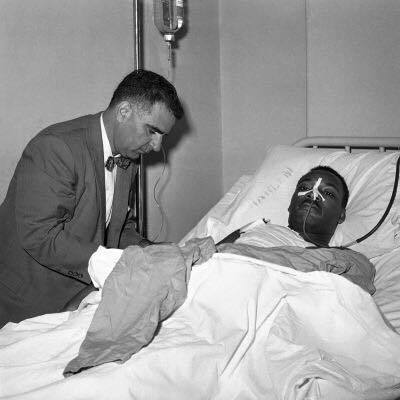
On September 20, 1958, a surgeon by the name of Dr. Emil Naclerio was called from home to attend to a patient who had been stabbed earlier that day. He rushed to Harlem Hospital. It turned out that the patient was Dr. King. The surgeon was not aware of the life he was saving. He just did what he had to do.
Earlier that day, Dr. King was signing his book which detailed the events of the recent Montgomery Bus Boycott, when a deranged woman leaped over the crowd lunging at Dr. King with a 2-inch letter opener. It went so far into his chest that it came within inches of his aorta. He nearly died. See, it’s customary for people to show pictures of Dr. King standing in front of large crowds or on a pulpit. But they stay away from photos like this. We can’t keep hiding the fact that when you take a position, when you stand up for what you believe is right, things sometimes happen. The good thing is this: the righteous always prevail…




J’ai deux amours
mon pays et Paris.
Par eux toujours,
mon coeur est ravi.





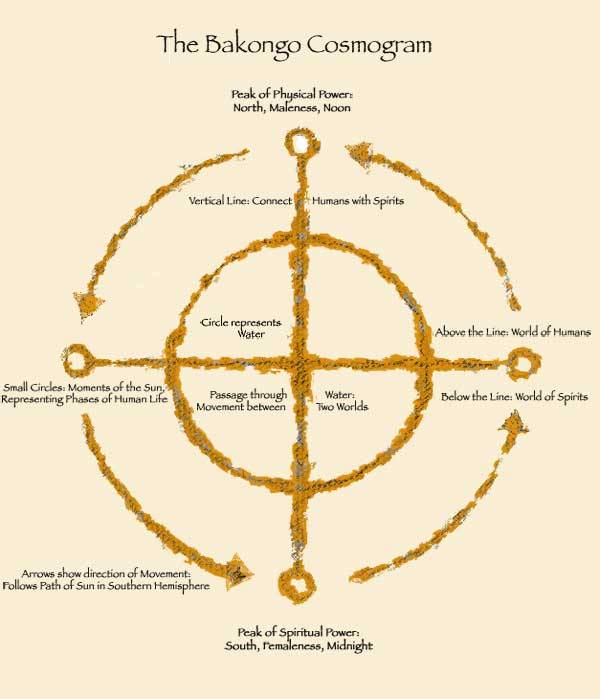
The Ba’kongo cosmogram depicts the world as a cross with the realm of the living above the cross’s horizontal line, the realm of the dead below. At the center a circle represents water (kalunga, ocean; the deep abyss) that separates the two worlds.
The cosmogram was a core symbol of the Kongo culture. An ideographic religious symbol, the cosmogram was called dikenga dia Kongo or tendwa kia nza-n’ Kongo in the Ki-Kongo language. ] Ethnohistorical sources and material culture demonstrate that the Kongo cosmogram existed as a long-standing symbolic tradition within the BaKongo culture before European contact in 1482, and that it continued in use in West Central Africa through the early twentieth century. In its fullest embellishment, this symbol served as an emblematic representation of the Kongo people, and summarized a broad array of ideas and metaphoric messages that comprised their sense of identity within the cosmos
Tendwa Nza Kongo: The Kongo Cosmogram
Wyatt MacGaffey, a researcherof Kongo civilization and religion, has summarized the form and meaning of the essential Kongo cosmogram as follows:
"The simplest ritual space is a cross [+] marked on the ground, as for oath-taking. One line represents the boundary; the other is ambivalently both the path leading across the boundary, as to the cemetery; and the vertical path of power linking “the above” with “the below”. This relationship, in turn, is polyvalent, since it refers to God and man, God and the dead, and the living and the dead. The person taking the oath stands upon the cross, situating himself between life and death, and invokes the judgement of God and the dead upon himself.” [this is taken from a work in progress shared with Dr. Thompson by MacGaffey].
This is the simplest manifestation of the Kongo cruciform, a sacred “point” on which a person stands to make an oath, on the ground of the dead and under all-seeing God. This Kongo “sign of the cross” has nothing to do with the crucifixion of the Son of God, yet its meaning overlaps the Christian vision. Traditional Ba’kongo believed in a Supreme Consciousness, Nzambi Mpungu, and they had their own notions of the indestructibility of the soul: “Ba’kongo believe and hold it true that man’s life has no end, that it constitutes a cycle. The sun, in its rising and setting, is a sign of this cycle, and death is merely a transition in the process of change.” (Janzen and MacGaffey 1974:34). The Kongo yowa cross does not signify the crucifixion of Jesus for the salvation of mankind; it signifies the equally compelling vision of the circular motion of human souls about the circumference of its intersecting lines. The Kongo cross refers therefore to the everlasting community of all righteous men and women:
"Nzungi! n’zungi-nzila………Man turns in the path,
N’zungi! n’zungi-nzila……..He merely turns in the path;
Banganga ban’e E ee!…….The priests, the same..”
A fork in the road (or even a forked branch) can allude to this crucially important symbol of passage and communication between worlds. The “turn in the path”, i.e., the crossroads, remains an indelible concept in the Kongo-Atlantic world, as the point of intersection between the ancestors and the living.
The horizontal line divides the mountain of the living world from it’s mirrored counterpart in the kingdom of the dead. The mountain of the living is described as “earth” (ntoto). The mountain of the dead is called “white clay” (mpemba). The bottom half of the Kongo cosmogram was also called kalunga, referring, literally, to the world of the dead as complete (lunga) within itself and to the wholeness that comes to a person who understands the ways and powers of both worlds.
Initiates read the cosmogram correctly, respecting its allusiveness. “God”/the living is imagined at the top, the dead at the bottom, and water in between. The four disks at the points of the cross stand for the four moments of the sun, and the circumference of the cross the certainty of reincarnation: the especially righteous Kongo person will never be destroyed but will come back in the name or body of progeny, or in the form of an everlasting pool, waterfall, stone or mountain.
The summit of the pattern symbolizes not only noon but also maleness, north, and the peak of a person’s strength on earth. Correspondingly, the bottom equals midnight, femaleness, south, the highest point of a person’s otherworldly strength.
Drawing a “point”, invoking God and the ancestors, formed only a part of this most important Kongo ritual of mediation. The ritual also included “singingthe point”. In fact, the Ba’kongo summarize the full context of mediation with the phrase “singing and drawing [a point]: yimbila y sona. They believe that the combined force of singing Ki-Kongo words and tracing in appropriate media the ritually designated “point” or “mark” of contact between the worlds will result in the descent of God’s power upon that very point….
…The cosmogram of Kongo emerged in the Americas precisely as singing and drawing points of contact between worlds. On the island of Cuba, when Kongo ritual leaders wished to make the important Zarabanda charm (Ki-Kongo, nsala-banda, a charm-making kind of cloth), they began by tracing, in white chalk, a cruciform pattern at the bottom of an iron kettle. This was the signature (firma) of the spirit invoked by the charm. It clearly derived from the Kongo sign except that the sun disks were replaced by arrows, standing for the four winds of the universe.
Kongo-Cuban priests activated old, important charms by singing-and-drawing a sacred point. They chanted sacred texts in Spanish and creolized Ki-Kongo while lowering a charm from the ceiling of a shrine to a chalked sign drawn upon the floor….
…In Rio de Janeiro, where there was a heavy importation of Kongo and Angola slaves, we meet simple cruciforms, chalked on the floor of shrines and altars, that have become complex signs fusing diverse Kongo, Yoruba, Roman Catholic, and other references. These signs comprise the blazons of the spirits honored in Macumba (later Quimbanda/Umbanda), a mixture of Kongo, Yoruba, Dahomean, Roman Catholic, Native American, and Spritualist allusions…
…As time passes, the ancient cruciforms are complicated by aspects borrowed from the iconography of the Yoruba and enriched by the attributes of Roman Catholic saints identified with Yoruba deities…
…Most pontos riscados, traced in chalk on shrine floors or in sand on the beaches at Ipanema, Copacabana and elsewhere in Rio, became fleeting signs of spiritual invocation and encounter. But some were permanently rendered. The collections of the Rio Museo de Policia include a calabash drinking cup (see below), richly lacquered black, which is incised with the ponto riscado of Pai Vehho, a black Kongo ancestor of special power and insight. His ponto warns the world that no one except a person in his spirit, or an appropriate officiant, can use this cup. The ponto, essentially a Latin cross within a Star of David within a circle decorated with six minor stars, compares interestingly with the “sung point” for the same spirit…this [sign] captures a complex history of cultural contact and experience in a form of geometric thought. The blending has carried us far indeed from the Kongo and from the Kingdoms of the Yoruba, but without their encounter in the richest minds of Rio this sign might never have been invented.
Barringtonsmiles: The veves of Haitian Vodou (and other Diasporic-West African faiths) can also be traced back not only the Kongo symbols and cosmogram, but the Nsibidi symbols of people native to southeast Nigeria/Cameroon). The people indigenous to the Calabar state of Nigeria contributed one of the oldest writing systems in global history in their Nsibidi hieroglyphs (date as far back as 5,000BC).
Nsibidi was divided into sacred and public versions, however, Western education and Christian indoctrination drastically reduced the number of Nsibidi-literate people, leaving the leopard secret societies (Ekpe) as the last surviving forms of the symbols today
Still, Nsibidi was transported to Cuba and Haiti via the Atlantic slave trade, where the anaforuana (Abakua), firmas (Palo) and veve (Haitian Vodou) symbols derived from the west African script.
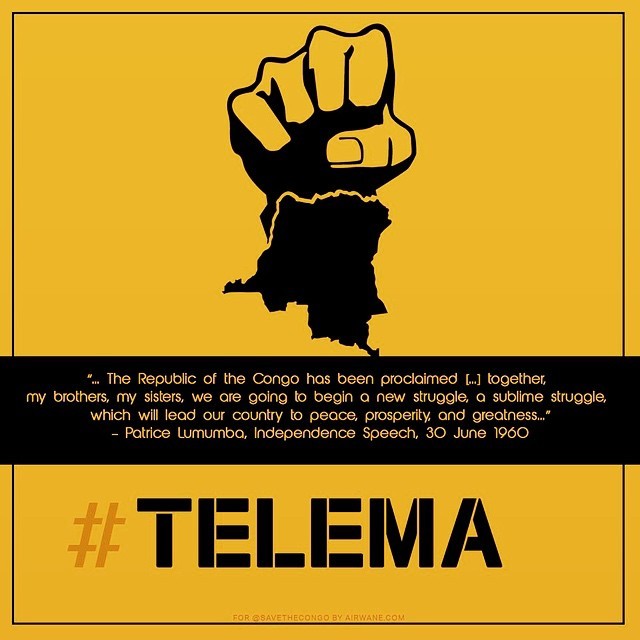
#YouthRising #CongoUnite #CongoLiboso #CongoStrong #CongoWeBelieve #CongoAwareness














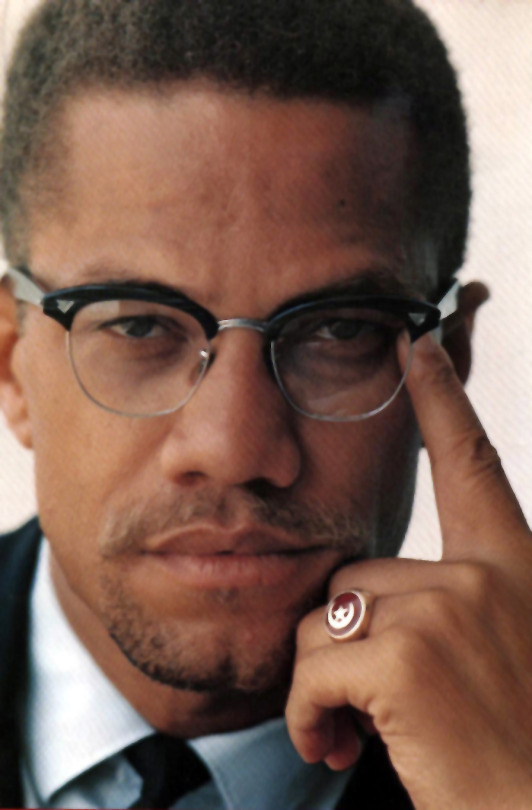
If you try and swim the Atlantic Ocean and after several attempts you find you don’t make it, well, if your objective is the other side, what are you going to do? It’s not a case of having utter despair. You have to go back to shore and try and find another method of getting across if that’s where you want to go. Now the so-called Negro in America, a hundred years after Lincoln issued the so-called Emancipation Proclamation, is still knocking on the White House door and still begging practically every white politician who is running for office to pass legislation to bring about an opportunity for the so-called Negro in America to be recognized as a human being—not as a citizen, but as a human being. They can’t get recognition as human beings, much less as citizens.
Now you have twenty million black people in America who are begging for some kind of recognition as human beings and the average white man today thinks that we’re making progress. He cannot justify the fact that he made us slaves in the first place, which was contrary not only to man’s law, contrary not only to God’s law, but also contrary to nature’s law. I don’t call that progress until we have gotten everything we originally had. If a man robs a bank he can’t jump up and say: “Well, I’m sorry I’ve been a robber.” He has to make restitution. Here you have twenty million black people who have worked for nothing for three hundred and ten years and then for the past hundred years we have been deprived of practically everything a human being needs to exist and keep his morale up. I just can’t bring myself to accept the few strides that we’ve made as any kind of progress.
-Malcolm X
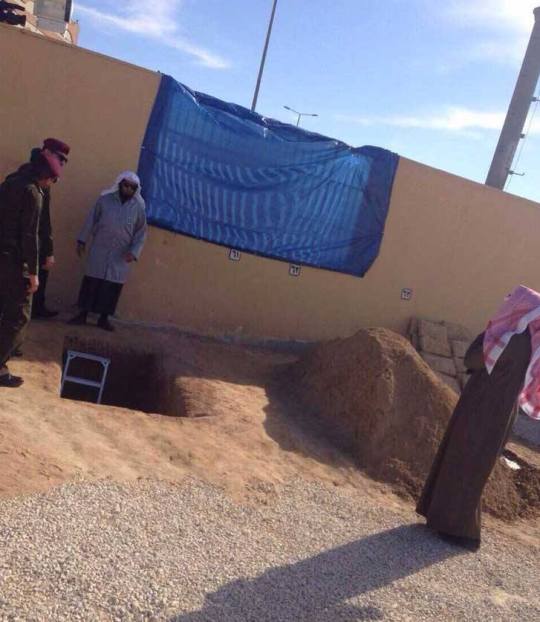
This is the grave of King Abdullah. A simple unmarked grave. That is how Kings are buried in Saudi Arabia.

http://www.shesfreaky.com/search/video/meia+wilson/1/




































<iframe src="http://flashservice.xvideos.com/embedframe/10297478" frameborder=0 width=510 height=400 scrolling=no></iframe>

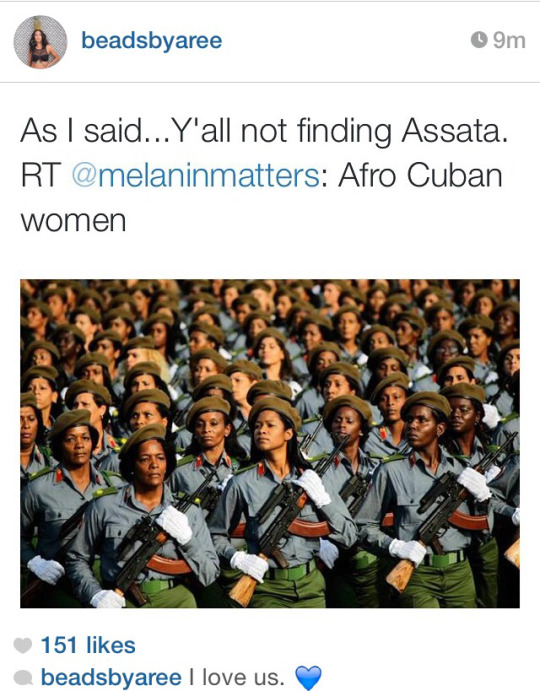

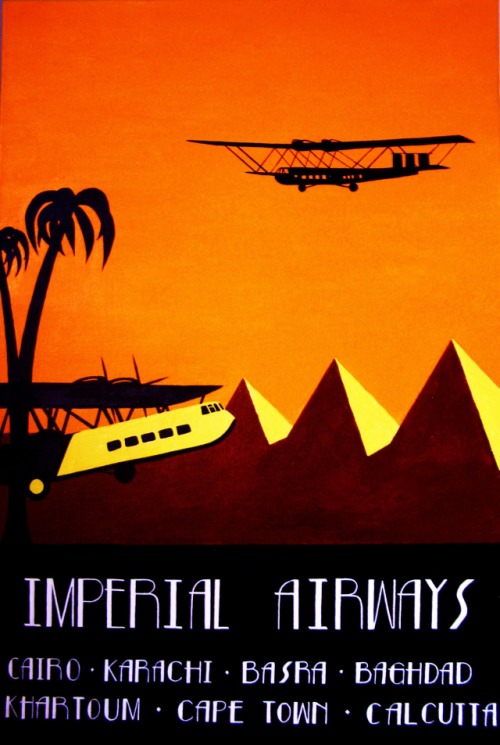

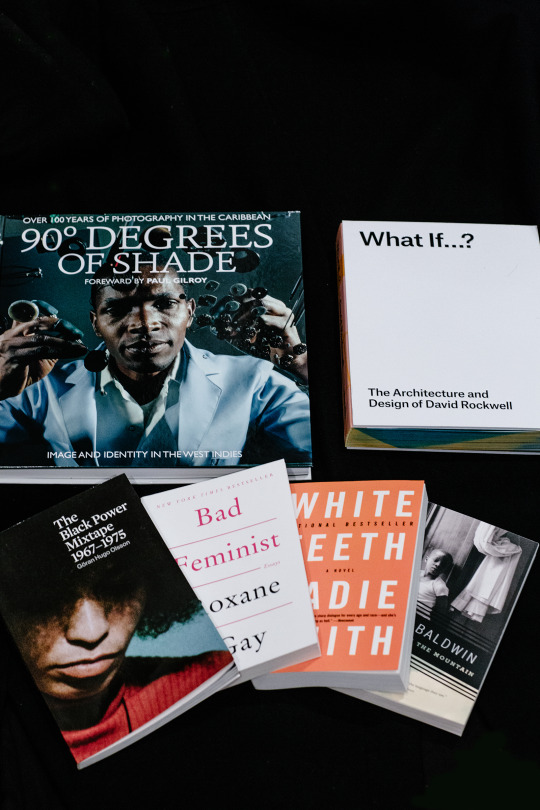


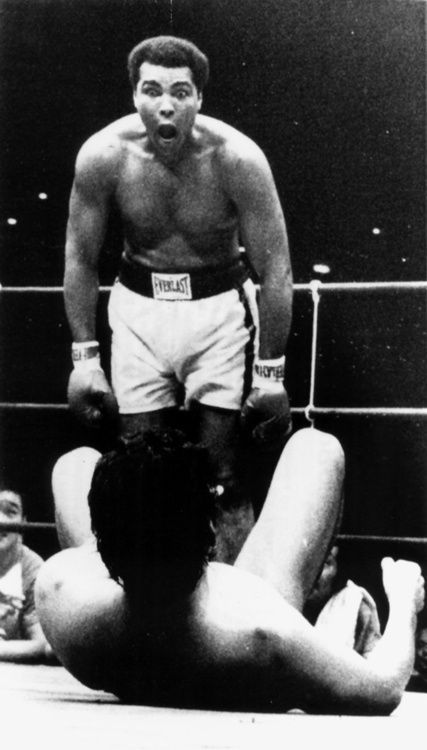

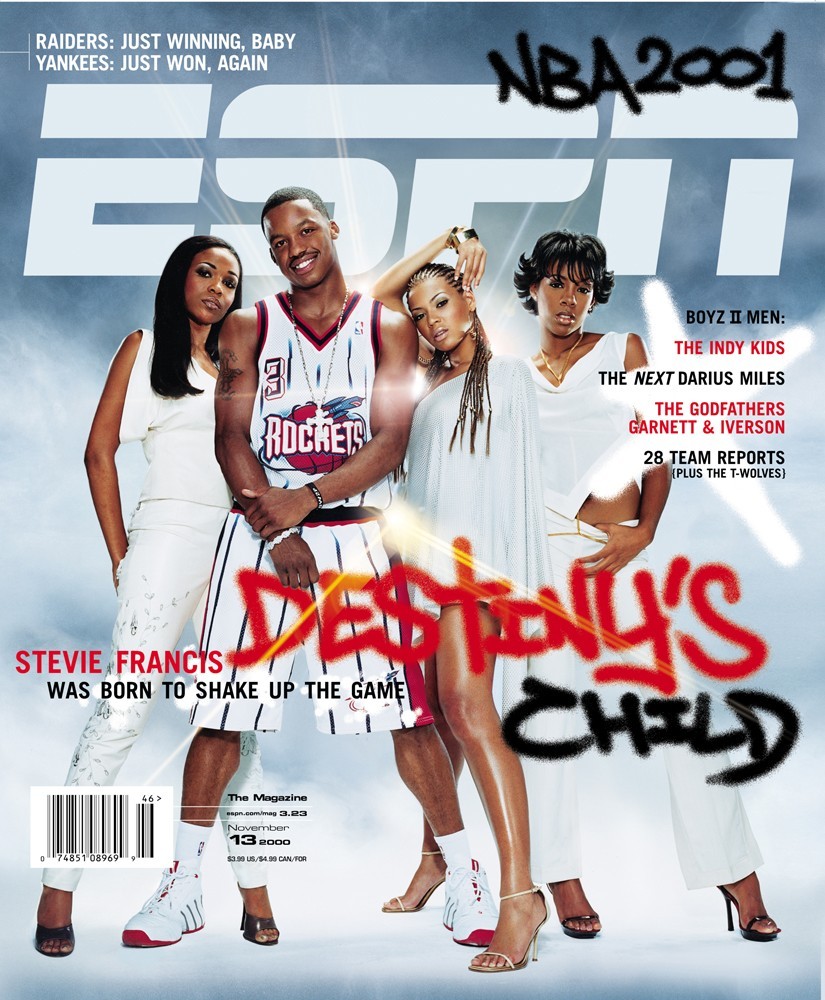

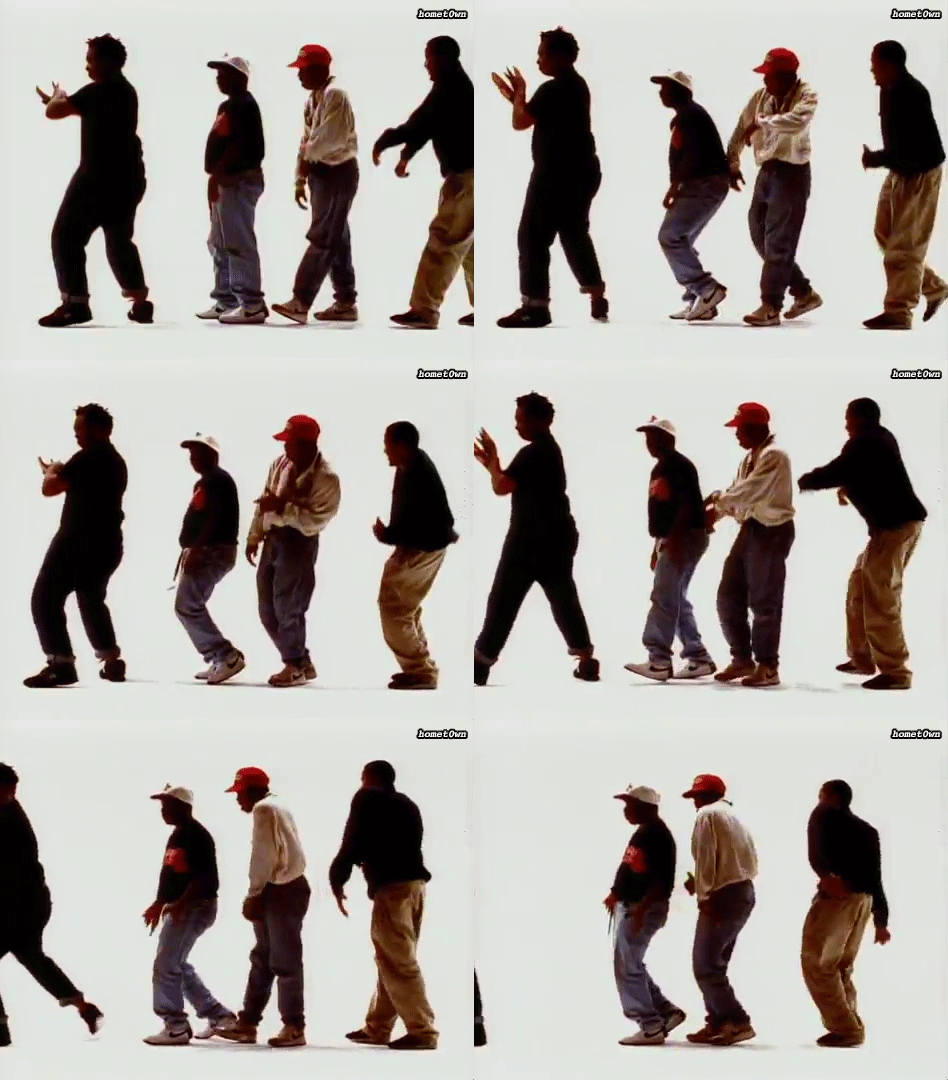
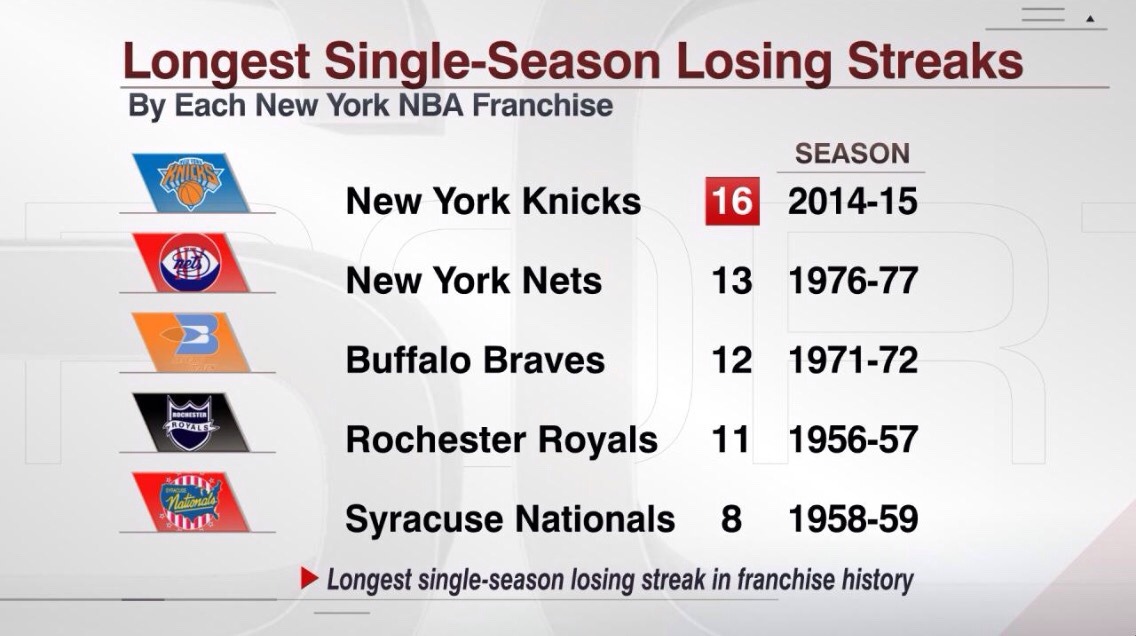
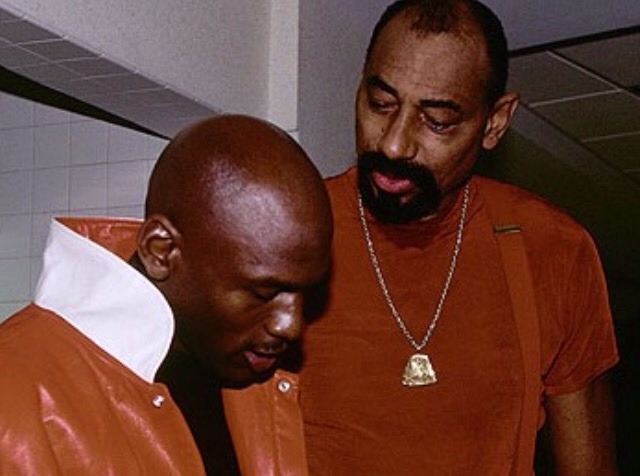




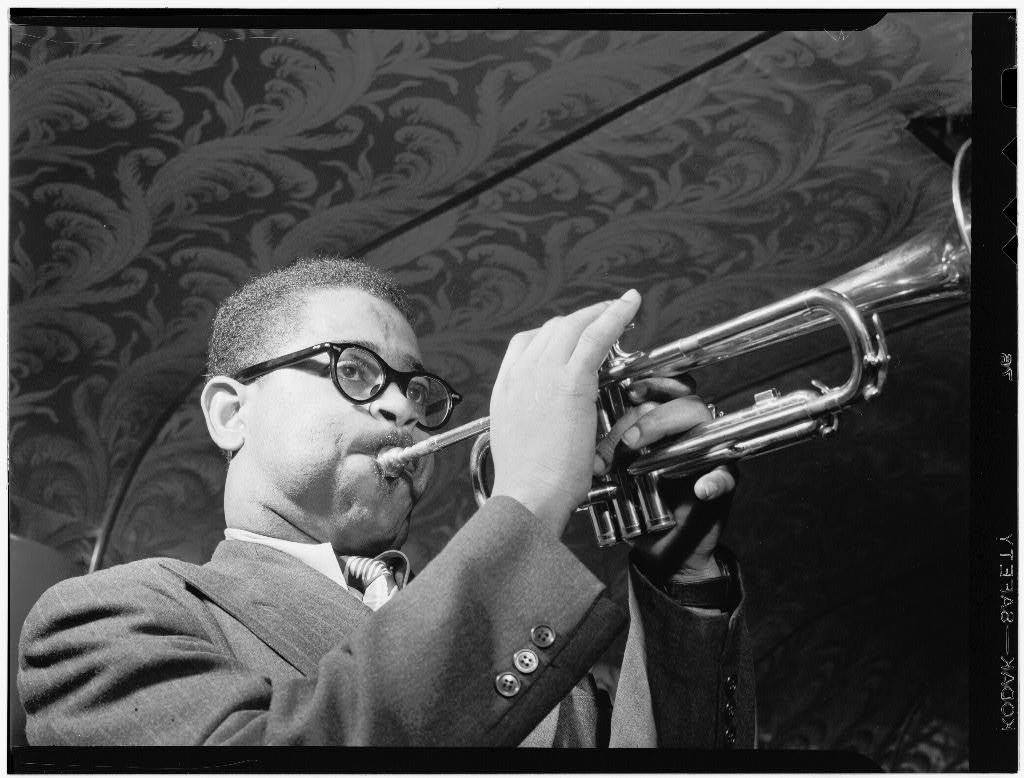






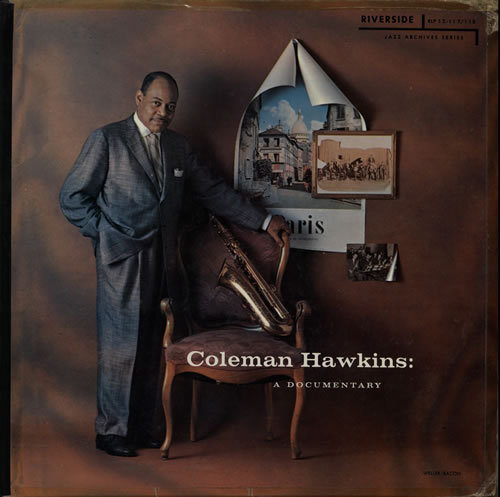

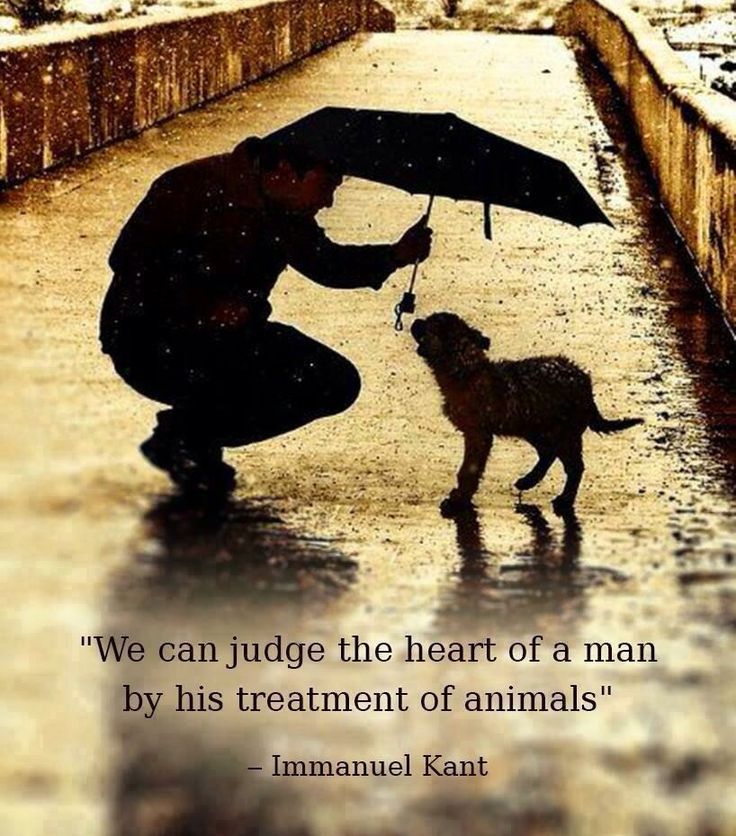

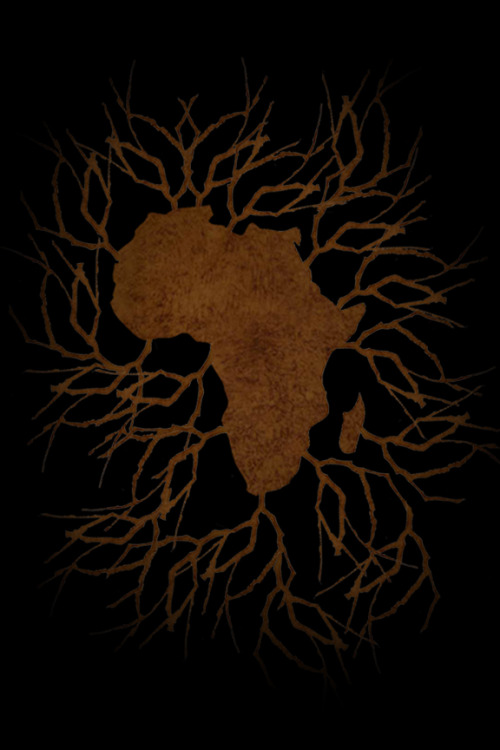

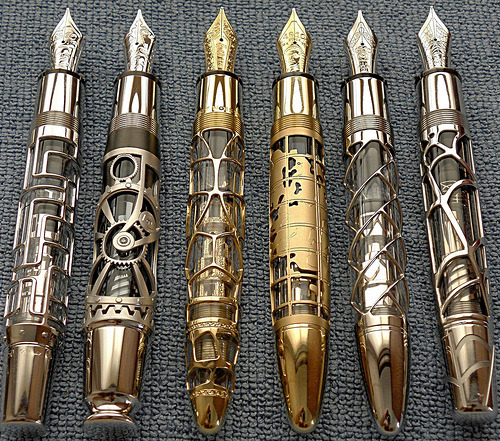


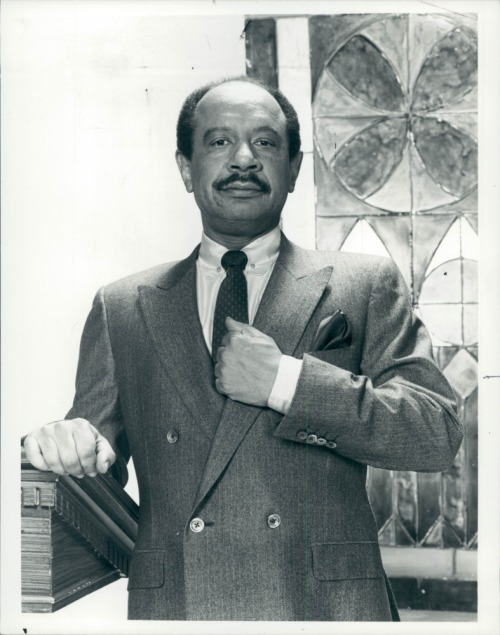








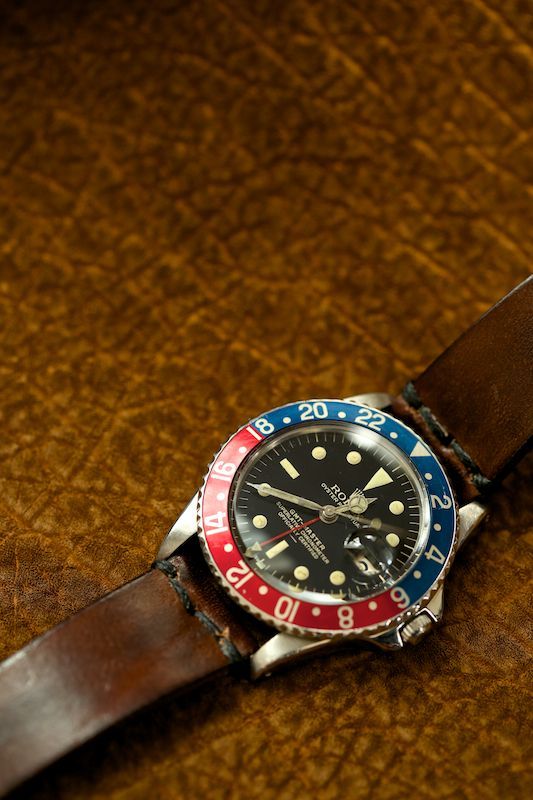
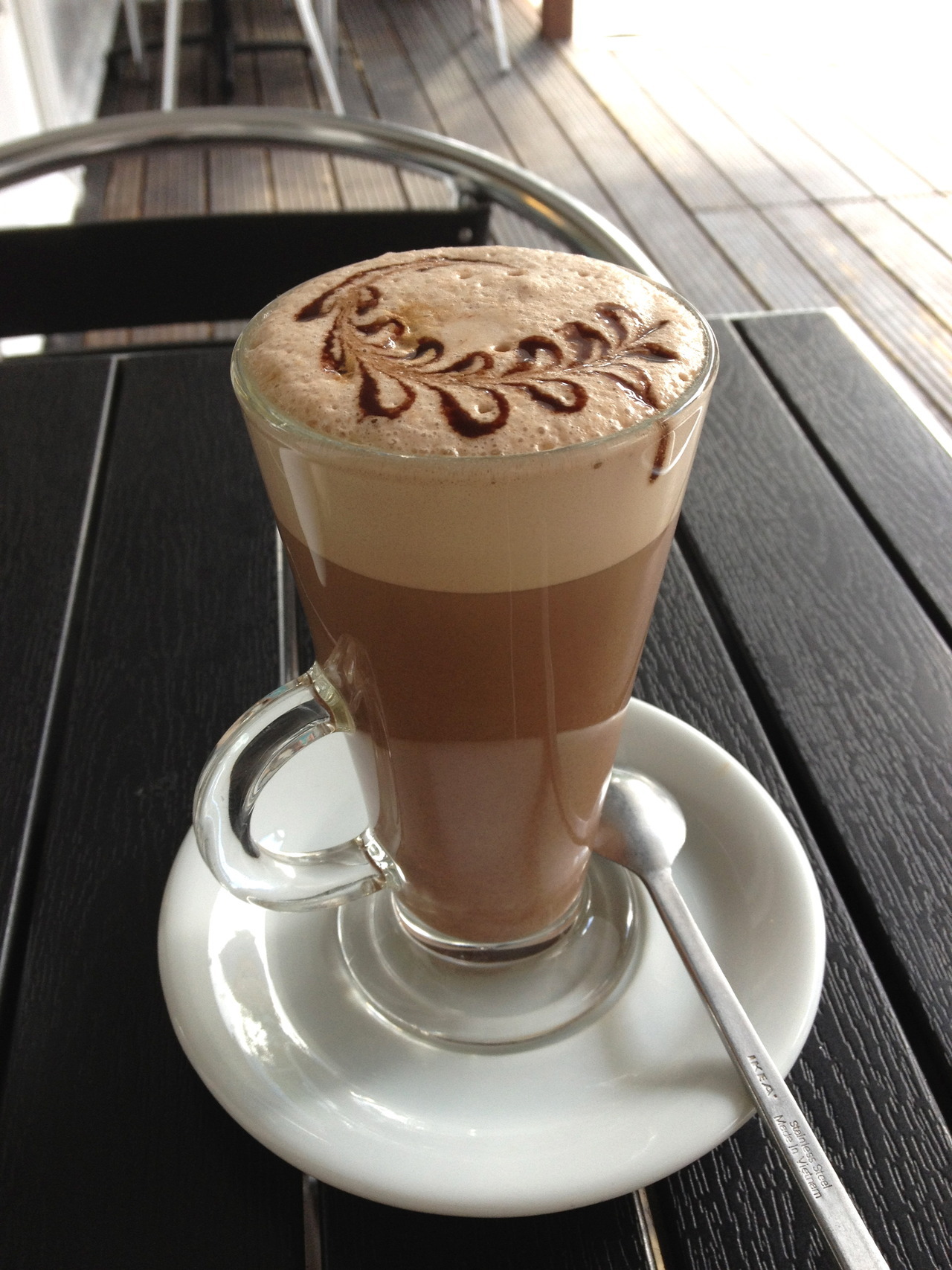

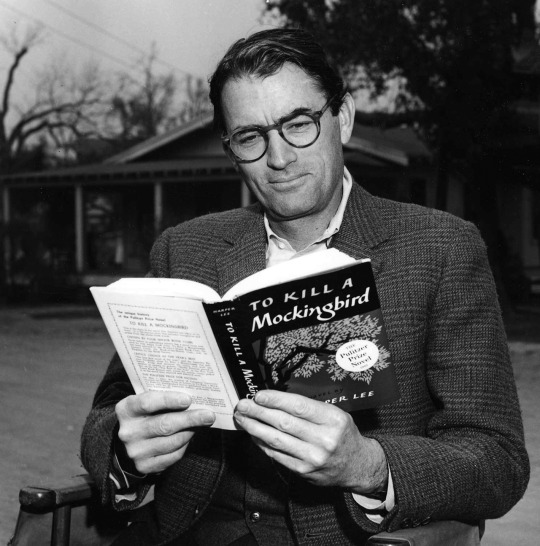
Study Up In Tweed.
Gregory Peck, 1962.


Last edited:














Similar threads

- Replies
- 0
- Views
- 94

- Replies
- 2
- Views
- 81

- Replies
- 10
- Views
- 123

- Replies
- 40
- Views
- 2K

