


Side Note:During struggling times a faction like the "Super Congress" is created for many reasons. Despite what many of you have heard or what many of you may think via what you've heard one of many reasons why something like a "super congress" is created is due to member within the regular congress not willing to throw away their integrity and fuck over the constituents that they are supposed to serve.
So in attempt to avoid the constitution of the USA, avoid back and forth bickering and override what should be final after reg congress votes on certain things like a debt ceiling....in the future a faction like the super congress will play the role of mediator and have the final say. And based off how tiny factions like these have operated in the past....more than likely that final say wont be in the best interest of the majority of the constituents.
At the rate that we're going soon or later the entire constitution will be null and void.
BTW.....our President has put his stamp of approval on this. With that being stated....does that make you trust your new Super congress?
Know Your “Super Congress” Committee Members

Don't worry. These guys aren't on it.
Among the compromises that were hashed out in the debt ceiling debate is the concept of a “super congress” or a committee consisting of 12 members: three members from each party caucus from both the House and the Senate.
Everyone is Scared of the Super Congress
They are tasked with recommending $1.5 trillion in deficit savings to be presented to the Congress by Thanksgiving for an up or down vote. If the committees recommendations are not approved by the Congress by the end of the year, a whole bunch of “triggers” are activated which will provide those savings by cutting programs which considered sacred cows by both parties.
SENATE REPUBLICANS:
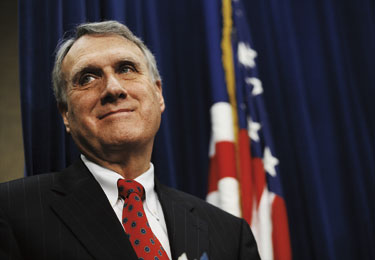
Sen. Jon Kyl (R-AZ) – Kyl is one of the ranking Republicans in the Senate and, as Minority Whip, is responsible for keeping the Republican caucus on message and generating the votes necessary to pass key legislation. He is a member of the Senate Judiciary Committee and the Senate Finance Committee. Kyl was up for election in 2012, but elected to retire this year. He is not responsible to the voters anymore and has very little to lose.
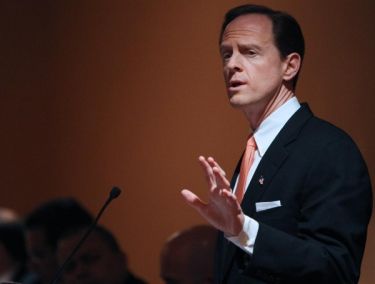
Sen. Pat Toomey (R-PA) – Toomey is a freshman Senator from Pennsylvania. He is considered one of the few unabashedly tea party-aligned Senators in the 112th Congress. A member of Congress from 1999 – 2005, he served as the president of the conservative Club for Growth until 2009. He has committee assignments on the banking, budget and commerce, science and transportation committees. As a person of Portuguese decent, he is also a member of the Republican-controlled Congressional Hispanic Conference.

Sen. Rob Portman (R-OH) – Portman is another freshman Senator. He served in Congress from 1993 to 2005, when he joined the Bush Administration as the U.S. Trade Representative and, later, Director of the Office of Management and Budget. His experience in the Bush White House put him knee deep in fiscal policy and he is considered the policy wonk on the committee on the Republican side. Portman is a member of the armed services, energy and natural resources, homeland security and budget committees. He is also a member of the Senate Sportsman’s Caucus—yep, that exists. Portman fancies himself a rising star and has a lot to lose if his performance in this committee is not hailed by conservatives as stellar.
SENATE DEMOCRATS:
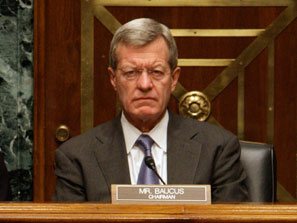
Sen. Max Baucus (D-MT) – In 2010, Baucus announced that he would retire at the end of this term in 2015. First elected to the Senate in 1978, he is Montana’s longest serving Senator ever. He, like Kyl, has nothing to lose and is likely to be a productive member of this committee. He is the chairman of the budget committee and is considered a moderate Democrat and a policy wonk.
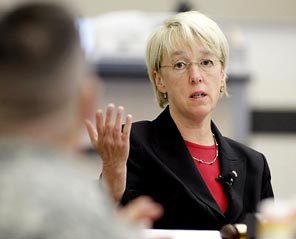
Sen. Patty Murray (D-WA) – Murray is on the more liberal side of Democrats in the Senate. She is the present chair of the Democratic Senatorial Campaign Committee, and is in charge of fundraising for her 23 Democratic colleagues up for reelection in 2012. Due to this inherently partisan position, her appointment to the committee was viewed with suspicion. She did however survive her election last year comfortably and is not up again until 2016 so she may not have as much to gain from partisan grandstanding as the joint committee’s co-chair. First elected to the Senate in 1993, as the “mom in tennis shoes,” she is a member of the appropriations, veteran’s affairs, health education, labor and pensions and budget committees.

Sen. John Kerry (D-MA) – You remember this guy, right? He did something important in 2004. While Kerry is remembered as a strict partisan when he ran for president, he also prides himself on being a statesman and a compromiser. While he is a vocal advocate for tax increases, he is not up for reelection until 2014 and, when he is, has little to worry about from his liberal leaning constituency back home. He is a member of the commerce, science and transportation, finance and small business and entrepreneurship committees. He also chairs the Senate Foreign Relations Committee.
HOUSE REPUBLICANS:

Rep. Jeb Hensarling (R-TX) – Hensarling is a pretty staunch conservative who lobbied hard to have “earmarks” eliminated. A member of the previous deficit reducing commission, known as the Simpson-Bowles panel, he opposed their recommendations for not going far enough to limit spending. He has been in office since 2003.
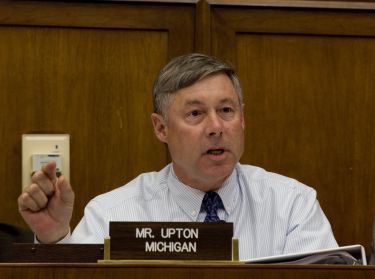
Rep. Fred Upton (R-MI) – Upton is an elder statesman among the recently enlarged Republican delegation from Michigan. In his 13th term in Congress, Upton is the chairman of the House Energy and Commerce Committee. He is considered a moderate Republican, and authored the ban on non-eco friendly light bulbs for which he was reviled by his colleagues on the right and among the Republican commentary class. After the 2010 elections, he had a bit of a come to Jesus on his previous positions and has tacked to the right a bit. Upton is also on the House Ways and Means Committee which handles tax and entitlement law.
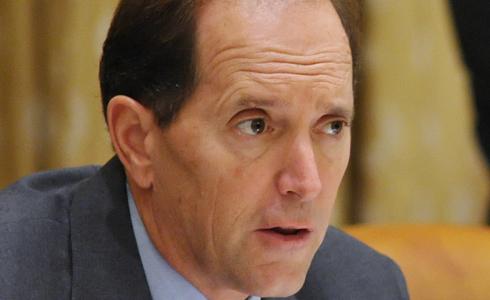
Rep. Dave Camp (R-MI) – Camp is the chairman of the House Ways and Means Committee. Camp has gone on record saying that the super committee’s primary job would be to reform the tax code, to eliminate loopholes which would increase revenues but lower rates across the board to compensate. This committee has been called the only way in which to reform the tax code because eliminating loopholes offends too many constituencies to get it passed the Congress as a whole. Camp is on record saying that he will do what is in his power to pursue that outcome. He also served on the Bowles-Simpson panel and shares Hensarling’s criticism of the panel’s recommendations.
(House Minority Leader Nancy Pelosi (D-CA) has yet to name the Democratic members of the super committee from the House. She has until the 16th to submit her three selections).
http://www.ology.com/politics/know-your-“super-congress”-committee-members
So in attempt to avoid the constitution of the USA, avoid back and forth bickering and override what should be final after reg congress votes on certain things like a debt ceiling....in the future a faction like the super congress will play the role of mediator and have the final say. And based off how tiny factions like these have operated in the past....more than likely that final say wont be in the best interest of the majority of the constituents.
At the rate that we're going soon or later the entire constitution will be null and void.
BTW.....our President has put his stamp of approval on this. With that being stated....does that make you trust your new Super congress?
Know Your “Super Congress” Committee Members
Don't worry. These guys aren't on it.
Among the compromises that were hashed out in the debt ceiling debate is the concept of a “super congress” or a committee consisting of 12 members: three members from each party caucus from both the House and the Senate.
Everyone is Scared of the Super Congress
They are tasked with recommending $1.5 trillion in deficit savings to be presented to the Congress by Thanksgiving for an up or down vote. If the committees recommendations are not approved by the Congress by the end of the year, a whole bunch of “triggers” are activated which will provide those savings by cutting programs which considered sacred cows by both parties.
SENATE REPUBLICANS:
Sen. Jon Kyl (R-AZ) – Kyl is one of the ranking Republicans in the Senate and, as Minority Whip, is responsible for keeping the Republican caucus on message and generating the votes necessary to pass key legislation. He is a member of the Senate Judiciary Committee and the Senate Finance Committee. Kyl was up for election in 2012, but elected to retire this year. He is not responsible to the voters anymore and has very little to lose.
Sen. Pat Toomey (R-PA) – Toomey is a freshman Senator from Pennsylvania. He is considered one of the few unabashedly tea party-aligned Senators in the 112th Congress. A member of Congress from 1999 – 2005, he served as the president of the conservative Club for Growth until 2009. He has committee assignments on the banking, budget and commerce, science and transportation committees. As a person of Portuguese decent, he is also a member of the Republican-controlled Congressional Hispanic Conference.
Sen. Rob Portman (R-OH) – Portman is another freshman Senator. He served in Congress from 1993 to 2005, when he joined the Bush Administration as the U.S. Trade Representative and, later, Director of the Office of Management and Budget. His experience in the Bush White House put him knee deep in fiscal policy and he is considered the policy wonk on the committee on the Republican side. Portman is a member of the armed services, energy and natural resources, homeland security and budget committees. He is also a member of the Senate Sportsman’s Caucus—yep, that exists. Portman fancies himself a rising star and has a lot to lose if his performance in this committee is not hailed by conservatives as stellar.
SENATE DEMOCRATS:
Sen. Max Baucus (D-MT) – In 2010, Baucus announced that he would retire at the end of this term in 2015. First elected to the Senate in 1978, he is Montana’s longest serving Senator ever. He, like Kyl, has nothing to lose and is likely to be a productive member of this committee. He is the chairman of the budget committee and is considered a moderate Democrat and a policy wonk.
Sen. Patty Murray (D-WA) – Murray is on the more liberal side of Democrats in the Senate. She is the present chair of the Democratic Senatorial Campaign Committee, and is in charge of fundraising for her 23 Democratic colleagues up for reelection in 2012. Due to this inherently partisan position, her appointment to the committee was viewed with suspicion. She did however survive her election last year comfortably and is not up again until 2016 so she may not have as much to gain from partisan grandstanding as the joint committee’s co-chair. First elected to the Senate in 1993, as the “mom in tennis shoes,” she is a member of the appropriations, veteran’s affairs, health education, labor and pensions and budget committees.
Sen. John Kerry (D-MA) – You remember this guy, right? He did something important in 2004. While Kerry is remembered as a strict partisan when he ran for president, he also prides himself on being a statesman and a compromiser. While he is a vocal advocate for tax increases, he is not up for reelection until 2014 and, when he is, has little to worry about from his liberal leaning constituency back home. He is a member of the commerce, science and transportation, finance and small business and entrepreneurship committees. He also chairs the Senate Foreign Relations Committee.
HOUSE REPUBLICANS:
Rep. Jeb Hensarling (R-TX) – Hensarling is a pretty staunch conservative who lobbied hard to have “earmarks” eliminated. A member of the previous deficit reducing commission, known as the Simpson-Bowles panel, he opposed their recommendations for not going far enough to limit spending. He has been in office since 2003.
Rep. Fred Upton (R-MI) – Upton is an elder statesman among the recently enlarged Republican delegation from Michigan. In his 13th term in Congress, Upton is the chairman of the House Energy and Commerce Committee. He is considered a moderate Republican, and authored the ban on non-eco friendly light bulbs for which he was reviled by his colleagues on the right and among the Republican commentary class. After the 2010 elections, he had a bit of a come to Jesus on his previous positions and has tacked to the right a bit. Upton is also on the House Ways and Means Committee which handles tax and entitlement law.
Rep. Dave Camp (R-MI) – Camp is the chairman of the House Ways and Means Committee. Camp has gone on record saying that the super committee’s primary job would be to reform the tax code, to eliminate loopholes which would increase revenues but lower rates across the board to compensate. This committee has been called the only way in which to reform the tax code because eliminating loopholes offends too many constituencies to get it passed the Congress as a whole. Camp is on record saying that he will do what is in his power to pursue that outcome. He also served on the Bowles-Simpson panel and shares Hensarling’s criticism of the panel’s recommendations.
(House Minority Leader Nancy Pelosi (D-CA) has yet to name the Democratic members of the super committee from the House. She has until the 16th to submit her three selections).
http://www.ology.com/politics/know-your-“super-congress”-committee-members
Last edited:


