Che Guevara's daughter, Others Prepare to Leave Cuba
<font size="5"><center>Che Guevara's daughter
wins Argentine citizenship</font size><font size="4">
Many Cubans with ties to the Castro regime have made
contingency plans for leaving the country after the longtime
leader dies; In totalitarian regimes, most everyone associated
with that regime has some sort of exit strategy in case the regime
changes and all economic livelihood disappears</font size></center>
By Vinod Sreeharsha and Jack Chang
McClatchy Newspapers
Posted on Tue, August 14, 2007
BUENOS AIRES, Argentina — A daughter of famed revolutionary Ernesto "Che" Guevara has become an Argentine citizen after decades of living in Cuba, an Argentine official said Tuesday.
The news that Celia Guevara March, 44, had obtained Argentine citizenship last January sparked speculation that she and other members of her family had begun making plans to leave the island nation after Cuban leader Fidel Castro fell ill last July.
Eduardo Gomez, a spokesman for the Argentine Embassy in Havana, said that Guevara March, the third oldest of the Argentine-born revolutionary's four surviving children, applied for Argentine citizenship in December. She took the Argentine citizenship oath the following month but has kept her Cuban passport, Gomez said.
Many Cubans with ties to the Castro regime have made contingency plans for leaving the country after the longtime leader dies, said Jorge Pinon, a senior researcher with the Institute for Cuban and Cuban-American Studies at the University of Miami.
Castro hasn't been seen in public for more than a year and didn't appear at celebrations marking his 81st birthday Monday. Castro reportedly is suffering from diverticulitis, an ailment of the intestines, and has handed over power to his younger brother, Raul.
Guevara March, a marine biologist, is known as the most private of the Guevara clan and a loyal Castro follower.
"In totalitarian regimes, most everyone associated with that regime has some sort of exit strategy in case the regime changes and all economic livelihood disappears," Pinon said.
Juan Martin Guevara, one of Ernesto Guevara's brothers, said he didn't believe his niece was planning to leave Cuba.
"This is a personal matter, not a political one," Guevara said by telephone from the Argentine capital of Buenos Aires. "Whatever her reasons, it's to improve her own life and not a reflection on what's going on in Cuba."
According to the Argentine newspaper Clarin, which first reported Guevara March's citizenship status on Sunday, Guevara March told consular officials she was applying for Argentine citizenship so that her two sons could avoid the bureaucratic hassles of traveling with Cuban passports. She also reportedly said she had no plans to leave the communist nation.
An Argentine diplomat, who asked not to be named because of the sensitivity of the topic, said Guevara March hadn't mentioned her children as the reason for applying for Argentine citizenship. He confirmed that Guevara March said she had no plans to leave Cuba.
Argentine law lets children of Argentines apply for the country's citizenship, regardless of where they were born. But the diplomat said Guevara March's children wouldn't qualify for citizenship because she isn't a native-born Argentine and they don't live in Argentina.
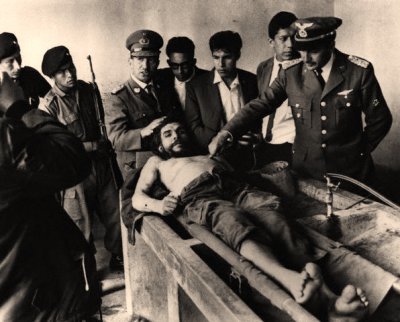
Guevara March was born in Cuba in 1963 to Ernesto Guevara's second wife, Aleida March. Bolivian troops killed Guevara four years later during his failed effort to spark a revolution there.
All of Guevara's surviving children were born in Cuba and still live there, said Ada Ventre, a spokeswoman for the "Che" Guevara Museum in his childhood hometown of Alta Gracia, Argentina.
Guevara's first child, born to Peruvian economist Hilda Gadea in Mexico in 1956, died in 1995.
Guevara joined Castro's movement in 1956 when the future Cuban leader was still in exile in Mexico and fought alongside Castro throughout his insurgency. After the 1959 revolution, Guevara lived in Cuba until 1965, when he left to lead unsuccessful insurgencies in the Congo and Bolivia.
(Chang reported from Rio de Janeiro, Brazil. Special correspondent Sreeharsha reported from Buenos Aires, Argentina.)
McClatchy Newspapers 2007
http://www.mcclatchydc.com/homepage/story/18921.html
<font size="5"><center>Che Guevara's daughter
wins Argentine citizenship</font size><font size="4">
Many Cubans with ties to the Castro regime have made
contingency plans for leaving the country after the longtime
leader dies; In totalitarian regimes, most everyone associated
with that regime has some sort of exit strategy in case the regime
changes and all economic livelihood disappears</font size></center>
By Vinod Sreeharsha and Jack Chang
McClatchy Newspapers
Posted on Tue, August 14, 2007
BUENOS AIRES, Argentina — A daughter of famed revolutionary Ernesto "Che" Guevara has become an Argentine citizen after decades of living in Cuba, an Argentine official said Tuesday.
The news that Celia Guevara March, 44, had obtained Argentine citizenship last January sparked speculation that she and other members of her family had begun making plans to leave the island nation after Cuban leader Fidel Castro fell ill last July.
Eduardo Gomez, a spokesman for the Argentine Embassy in Havana, said that Guevara March, the third oldest of the Argentine-born revolutionary's four surviving children, applied for Argentine citizenship in December. She took the Argentine citizenship oath the following month but has kept her Cuban passport, Gomez said.
Many Cubans with ties to the Castro regime have made contingency plans for leaving the country after the longtime leader dies, said Jorge Pinon, a senior researcher with the Institute for Cuban and Cuban-American Studies at the University of Miami.
Castro hasn't been seen in public for more than a year and didn't appear at celebrations marking his 81st birthday Monday. Castro reportedly is suffering from diverticulitis, an ailment of the intestines, and has handed over power to his younger brother, Raul.
Guevara March, a marine biologist, is known as the most private of the Guevara clan and a loyal Castro follower.
"In totalitarian regimes, most everyone associated with that regime has some sort of exit strategy in case the regime changes and all economic livelihood disappears," Pinon said.
Juan Martin Guevara, one of Ernesto Guevara's brothers, said he didn't believe his niece was planning to leave Cuba.
"This is a personal matter, not a political one," Guevara said by telephone from the Argentine capital of Buenos Aires. "Whatever her reasons, it's to improve her own life and not a reflection on what's going on in Cuba."
According to the Argentine newspaper Clarin, which first reported Guevara March's citizenship status on Sunday, Guevara March told consular officials she was applying for Argentine citizenship so that her two sons could avoid the bureaucratic hassles of traveling with Cuban passports. She also reportedly said she had no plans to leave the communist nation.
An Argentine diplomat, who asked not to be named because of the sensitivity of the topic, said Guevara March hadn't mentioned her children as the reason for applying for Argentine citizenship. He confirmed that Guevara March said she had no plans to leave Cuba.
Argentine law lets children of Argentines apply for the country's citizenship, regardless of where they were born. But the diplomat said Guevara March's children wouldn't qualify for citizenship because she isn't a native-born Argentine and they don't live in Argentina.
Guevara March was born in Cuba in 1963 to Ernesto Guevara's second wife, Aleida March. Bolivian troops killed Guevara four years later during his failed effort to spark a revolution there.
All of Guevara's surviving children were born in Cuba and still live there, said Ada Ventre, a spokeswoman for the "Che" Guevara Museum in his childhood hometown of Alta Gracia, Argentina.
Guevara's first child, born to Peruvian economist Hilda Gadea in Mexico in 1956, died in 1995.
Guevara joined Castro's movement in 1956 when the future Cuban leader was still in exile in Mexico and fought alongside Castro throughout his insurgency. After the 1959 revolution, Guevara lived in Cuba until 1965, when he left to lead unsuccessful insurgencies in the Congo and Bolivia.
(Chang reported from Rio de Janeiro, Brazil. Special correspondent Sreeharsha reported from Buenos Aires, Argentina.)
McClatchy Newspapers 2007
http://www.mcclatchydc.com/homepage/story/18921.html