


What The Wizard of Oz, Wicked, and Harriet Reveal About The 3 Types of Enslaved Africans
Most people watch these films and miss the truth hiding in plain sight
Anthony Browder
Jan 14, 2026

We were taught that slavery in the U.S. ended in 1865.
But after 50 years of studying our history, I can tell you that the shackles never came off.
They were just moved from our hands and legs to our minds.
Those who know how to read symbols and understand how truth gets encoded in Hollywood films, can see this truth for themselves.
Let me tell you what I mean.

The first film is the original Wizard of Oz, which was released in 1939.
Growing up as a child in Chicago, The Wizard of Oz would come on at least twice a year. Each year I was a little bit older and had a better understanding of the world in which I was living. With each viewing I noticed little things in the film that had escaped me the previous year.
Everyone knows the basic theme of the Wizard of Oz: Dorothy is swept away from Kansas to Oz and spent the rest of the film trying to get home. At the end of her odyssey Dorothy discovered she could have gone home whenever she wanted to – the capacity to do so was in her all the time!
One of the subtexts in the original story written by L. Frank Baum in 1900, is that the narrative is a metaphor for the world in which we live. It’s a story about powerful men who control the world by controlling the minerals and resources of the planet.
The yellow brick road is about gold. The Emerald City is about precious stones. The poppy field, where Dorothy, Toto and the Lion fall asleep, is about the dulling effects of heroin. The sleeping trio was awakened when Glenda made it “snow,” which was a reference to the stimulating effects of cocaine.
The subtext of Baum’s story was how people are manipulated through the strategic use of resources, drugs, material objects and entertainment.
Glenda told Dorothy to follow the Yellow Brick Road to the Emerald City, when she would meet the Wizard who would make all her wishes come true. While traveling down the road Dorothy recruits three characters who were also looking for someone to fulfil their dreams.
After overcoming several ordeals, the group arrives in the Emerald City and are given the royal treatment. They have their meeting with the Wizard and present their requests, only to be told that they must fulfil his wish before he will grant theirs.
The Wizard sought to get rid of the group by sending them on a suicide mission.
But because Dorthy, the Scarecrow, Tin Man and Lion were naive, trusting souls, they risked their lives to commit homicide, and bring back proof of death–the broomstick of the Wicked Witch of the West.
Upon their return, the four murderers (Dorthy, the Scarecrow, Tin Man and Lion) discover that the Great Wizard of Oz was a hustler, a con man, a big green, boldface liar. Rather than expose the Wizard for the fraud he was, they became his co-conspirators after he gives them what they asked for.
And what did they ask for:
· The Scarecrow wanted brains – he is given a diploma.
· The Tin Man wanted a heart – he is given a ticking heart-shaped clock
· The Lion wanted courage – he is given a medal of valor
The Wizard didn’t have an inanimate object to grant Dorothy’s wish so he offered to take her home in the same balloon that brought him to Oz ages ago.
Before the Wizard departed, he left Dorothy’s henchmen (the Scarecrow, Tin Man and Lion) to run his operation. Why? Because they knew he was a phony and they refused to expose him to the citizens of Oz. They were willing accomplices to the crimes committed by Dorothy and the Wizard, and they helped perpetuate the deception and the Wizard’s criminal enterprise.
It’s been said that the truth will set you free. One must be strong enough and courageous enough to speak the truth to help those willing and capable of being helped. That’s the critically important point because not everyone wants to be helped. Not everyone wants to be responsible and free. Some people grow accustomed to wallowing in helplessness and will reject any offer of truth and freedom.
At the end of the film, the wizard floats off in his balloon and Dorothy is left behind. Then Glinda the “Good Witch” comes back and tells Dorothy: “You don’t need my help. You’ve always had the power to go back to Kansas.”
All you have to do is click your heels three times and say: “There’s no place like home, there’s no place like home, there’s no place like home.”
When Dorothy asks Glenda why she didn’t just tell her how to go home, Glinda said: “If I told you, you would not have believed me.”
We have been socialized to believe we are powerless and that someone else, or something else, controls our destiny. We are not taught to recognize and manifest the power that resides inside us.
That’s the takeaway from the original “Wizard of Oz.”
85 years later, Hollywood retold that story in the film “Wicked.” In this remake, the writer and director made some details more explicit while obscuring others.

There is one powerful line in “Wicked” that stuck with me. The line is delivered when the two protagonists meet the Wizard. During that meeting Elphaba’s power is revealed, and when she refuses to “play the game,” the Wizard speaks a simple and profound truth.
“The best way to bring folks together is to give them a real good enemy.”
And that’s when the Wizard and his co-conspirators turn on Elphaba.
They made her the enemy and convinced everybody in Oz that the Witch with the most intelligence, the biggest heart and the greatest power was wicked and untrustworthy.
Does that sound familiar?
The “Wicked” film differs from the Broadway production in one meaningful way – they cast Elphaba as a Black woman. This gives the film’s takeaway line much more power and makes Elphaba’s role as the enemy more culturally relevant.

We’ve seen how people maintain lies to avoid uncomfortable truths. We’ve seen how those in power create enemies to control the masses. But what does all this have to do with the history of Blacks in America?
The story of Harriet Tubman is the story of a subjected people’s struggle to be free from racism, enslavement and discrimination. It is a story older than American history.
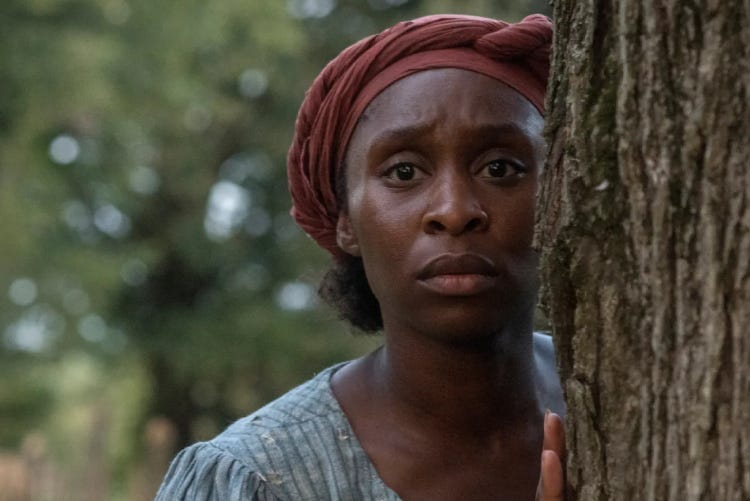
The fact that the characters Elphaba and Harriet are both played by Cynthia Erivo draws attention to a common theme at the core of both films.
The film opens with enslaved Africans standing in front of their master’s porch listening to a Black preacher delivering a Sunday sermon. With the White enslaver and his family seated on the shaded porch the preacher ended the service with the biblical directive, “Slaves obey your master!”
That scene ticked me off because I knew the pastor’s statement was taken from a book that Reverend Willie Wilson turned me on to several years ago. The book is The Religious Instruction for the Negro, written by Rev. C.C. Jones in 1842. Rev. Jones was a white pastor from Georgia who wrote the manual which introduced enslaved Africans to passages in the Bible that condoned slavery as an acceptable act of God. This was done specifically to make enslaved Africans accept their fate as the will of God, while increasing the peace of mind of their white, Christian, enslavers.
That was the lie Pope Nicolas V created in 1455 when he wrote a papal bull justifying the Roman Catholic Church’s involvement in the enslavement of over 50 million African men, women, and children.
After the 1804 Haitian Revolution, and the 1831 Nat Turner Rebellion, white enslavers feared further uprising and needed to find a way to minimize African resistance. They decided to allow enslaved Africans to become Christians. They trained Black preachers to teach them passages from the Bible that assured them they would get a heavenly reward if they obeyed their earthy masters. Rev. C.C. Jones the manual for imprisoning the minds of enslaved Africans by making them believe in a White God who condoned the enslavement of Black people.
I encourage you to download a copy of The Religious Instruction for the Negro , and study it so you can get a deeper understand of how the Bible was used to brainwash enslaved Africans in the 19th century.

Jones outlined passages from the Bible that endorsed slavery and specifically told the enslaved to obey their White masters.
This is what viewers saw in the opening scene of “Harriet.”
When Sister Harriet decided to escape the living hell she was experiencing in Dorchester Counter, Maryland, she told her father of her plans to run away. Harriet Tubman was illiterate and her father knew she would have a difficult time making her way to freedom. He instructed his daughter to “Go see the preacher” before she set out on her own. Harriet was suspicious but she followed her father’s advice.
Harriet stole away to the preacher’s church and informed him that she was running away. That was when we discovered the preacher was a conductor on the Underground Railroad. He provided Harriett the instructions she needed to secure her freedom.
This preacher used the church as a cover to help liberate his people. He worked for the master during the day and served the masses in the evening. This scene illustrated how intelligent Africans subverted racist systems and laws to serve and save the members of their community.
We’ve seldom seen powerful scenes such as this in films about slavery.
“The Wizard of Oz” showed us how con men seduce their prey.
“Wicked” showed us how enemies are manufactured, and how co-conspirators conspire.
“Harriet” revealed how religion was weaponized to keep us docile, and how some people subverted oppressive systems of enslavement.
The film “Harriet” also showed us something that Harriet Tubman clearly understood: Not every enslaved person responded to enslavement the same way.
Which reveals three distinct types of enslaved Africans Americans.
They accepted the lie that they were born in sin. They believed they would get their reward in heaven if they obeyed their masters.
They couldn’t read. They couldn’t write. They couldn’t conceive of themselves as free because of the invisible shackles on their minds.
They didn’t know who they were before enslavement and accepted the lies imposed upon them by their enslavers and the church. They knew the system of enslavement was wrong, but they lacked the capacity to conceive of effect ways to overthrow that oppressive system.
But they embraced the possibility of freedom when it was introduced to them.
Harriet Tubman, and those like her, overcame their fear of death and were willing to risk their lives for their freedom – and the freedom of others. They possessed a spirit of unbridled selflessness.
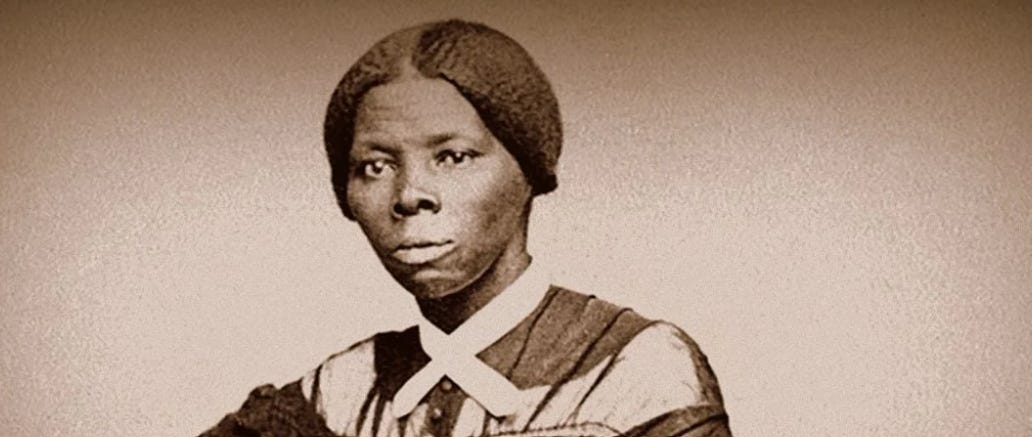
Toward the end of a distinguished career as an abolitionist, nurse, spy and scout, Tubman said that she freed hundreds of slaves but could have freed thousands more, if only they had known that they were slaves.

This historical truth begs answers to questions we must ask ourselves as we witness the daily erasure of our rights and our history:
“Knowledge makes a man unfit to be a slave.”
The knowledge I share with you in these articles is intended to supplement information which has intentionally been withheld from you. Knowledge has the capacity to break the mental chains that restrict our ability to think freely.
The three types of mentally enslaved Africans described earlier, still exist.
Thanks for reading
Anthony Browder
PS.
I would love to see you at the launch of my new book: A Browder Perspective on Saturday January 17th at the Thurgood Marshall Center, Washington DC.
Whether you’re in DC or not, A Browder Perspective: My 50 Year Journey to Enlightenment can be purchased here today!

https://browderfile.substack.com/p/...Q.nYgTjJuOTpqHFYT-p7HZQ9oTs7OqdhlBji0wT2NuBQM
Most people watch these films and miss the truth hiding in plain sight
Anthony Browder
Jan 14, 2026
We were taught that slavery in the U.S. ended in 1865.
But after 50 years of studying our history, I can tell you that the shackles never came off.
They were just moved from our hands and legs to our minds.
Those who know how to read symbols and understand how truth gets encoded in Hollywood films, can see this truth for themselves.
Let me tell you what I mean.
The Three Films
I will make my case by reviewing three scenes from three critically acclaimed movies.Film One: The Wizard of Oz (1939)
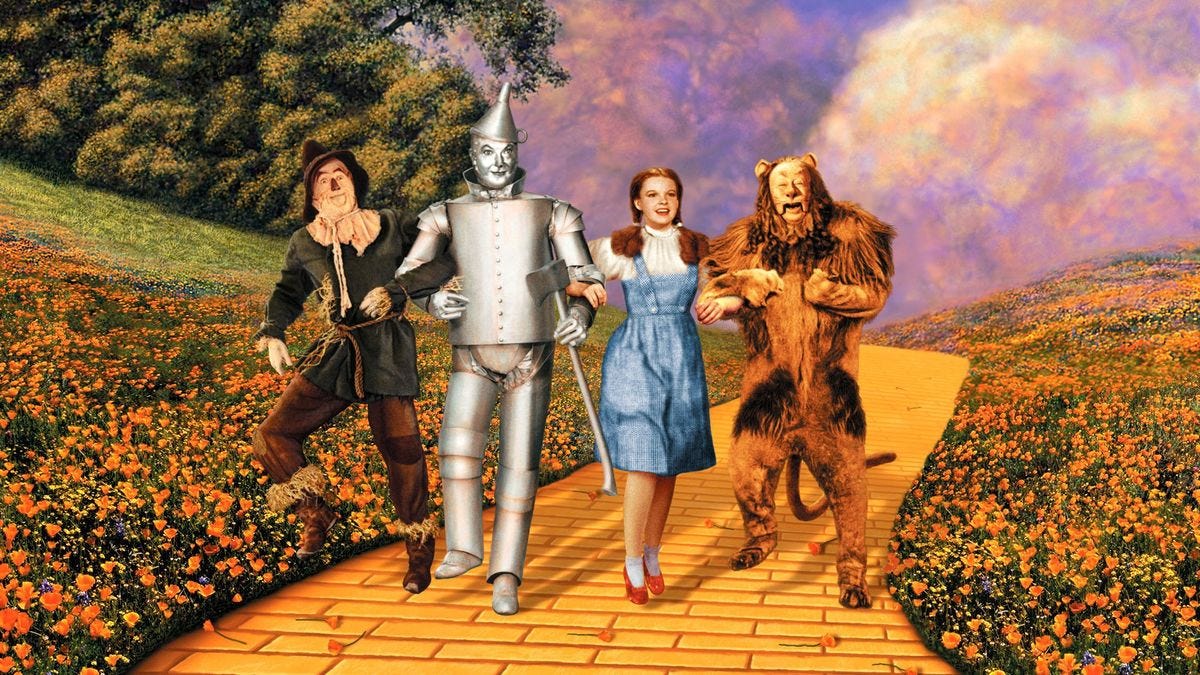
The first film is the original Wizard of Oz, which was released in 1939.
Growing up as a child in Chicago, The Wizard of Oz would come on at least twice a year. Each year I was a little bit older and had a better understanding of the world in which I was living. With each viewing I noticed little things in the film that had escaped me the previous year.
Everyone knows the basic theme of the Wizard of Oz: Dorothy is swept away from Kansas to Oz and spent the rest of the film trying to get home. At the end of her odyssey Dorothy discovered she could have gone home whenever she wanted to – the capacity to do so was in her all the time!
One of the subtexts in the original story written by L. Frank Baum in 1900, is that the narrative is a metaphor for the world in which we live. It’s a story about powerful men who control the world by controlling the minerals and resources of the planet.
The yellow brick road is about gold. The Emerald City is about precious stones. The poppy field, where Dorothy, Toto and the Lion fall asleep, is about the dulling effects of heroin. The sleeping trio was awakened when Glenda made it “snow,” which was a reference to the stimulating effects of cocaine.
The subtext of Baum’s story was how people are manipulated through the strategic use of resources, drugs, material objects and entertainment.
The Wizard as Con Man
The main point I want you to grasp is that Dorothy, the Tin Man, Scarecrow and Cowardly Lion were all seduced by the trappings the Wizard used to cast a spell over the citizens of Oz.Glenda told Dorothy to follow the Yellow Brick Road to the Emerald City, when she would meet the Wizard who would make all her wishes come true. While traveling down the road Dorothy recruits three characters who were also looking for someone to fulfil their dreams.
After overcoming several ordeals, the group arrives in the Emerald City and are given the royal treatment. They have their meeting with the Wizard and present their requests, only to be told that they must fulfil his wish before he will grant theirs.
The Wizard sought to get rid of the group by sending them on a suicide mission.
But because Dorthy, the Scarecrow, Tin Man and Lion were naive, trusting souls, they risked their lives to commit homicide, and bring back proof of death–the broomstick of the Wicked Witch of the West.
Upon their return, the four murderers (Dorthy, the Scarecrow, Tin Man and Lion) discover that the Great Wizard of Oz was a hustler, a con man, a big green, boldface liar. Rather than expose the Wizard for the fraud he was, they became his co-conspirators after he gives them what they asked for.
And what did they ask for:
· The Scarecrow wanted brains – he is given a diploma.
· The Tin Man wanted a heart – he is given a ticking heart-shaped clock
· The Lion wanted courage – he is given a medal of valor
The Wizard didn’t have an inanimate object to grant Dorothy’s wish so he offered to take her home in the same balloon that brought him to Oz ages ago.
Before the Wizard departed, he left Dorothy’s henchmen (the Scarecrow, Tin Man and Lion) to run his operation. Why? Because they knew he was a phony and they refused to expose him to the citizens of Oz. They were willing accomplices to the crimes committed by Dorothy and the Wizard, and they helped perpetuate the deception and the Wizard’s criminal enterprise.
Truth Over Comfort
We are all faced with moments where we discover profound truths. Truths so shocking and revealing that they frighten people we care about. Sometimes we withhold those truths because we’re afraid to hurt people’s feelings or fear they can’t handle the truth.It’s been said that the truth will set you free. One must be strong enough and courageous enough to speak the truth to help those willing and capable of being helped. That’s the critically important point because not everyone wants to be helped. Not everyone wants to be responsible and free. Some people grow accustomed to wallowing in helplessness and will reject any offer of truth and freedom.
At the end of the film, the wizard floats off in his balloon and Dorothy is left behind. Then Glinda the “Good Witch” comes back and tells Dorothy: “You don’t need my help. You’ve always had the power to go back to Kansas.”
All you have to do is click your heels three times and say: “There’s no place like home, there’s no place like home, there’s no place like home.”
When Dorothy asks Glenda why she didn’t just tell her how to go home, Glinda said: “If I told you, you would not have believed me.”
Power Within
Sometimes the truth is so difficult for people to see, they must go through hard times before they are able to see what’s been right in front of them all along.We have been socialized to believe we are powerless and that someone else, or something else, controls our destiny. We are not taught to recognize and manifest the power that resides inside us.
That’s the takeaway from the original “Wizard of Oz.”
85 years later, Hollywood retold that story in the film “Wicked.” In this remake, the writer and director made some details more explicit while obscuring others.
Film Two: Wicked (2024)
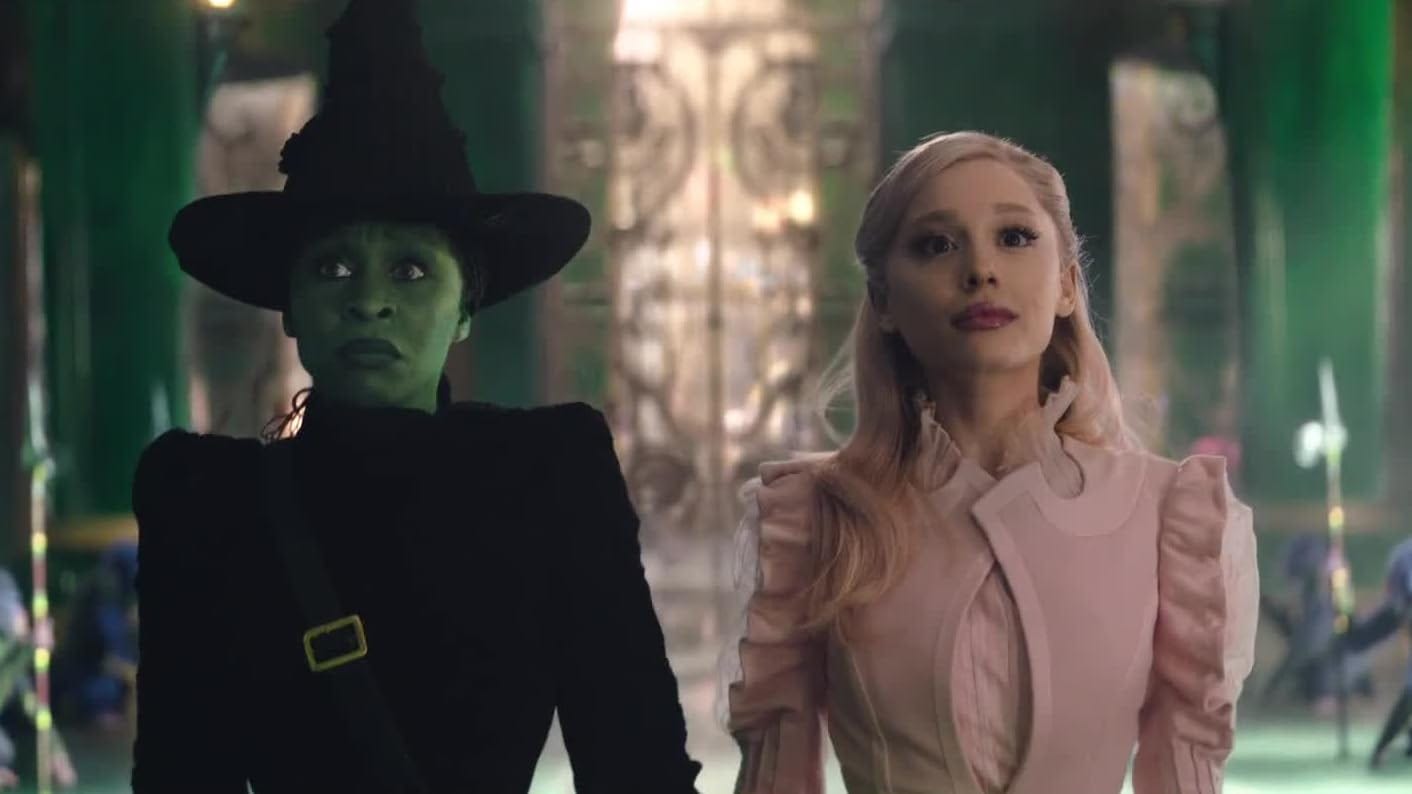
There is one powerful line in “Wicked” that stuck with me. The line is delivered when the two protagonists meet the Wizard. During that meeting Elphaba’s power is revealed, and when she refuses to “play the game,” the Wizard speaks a simple and profound truth.
Creating the Enemy
The takeaway line from “Wicked” is:“The best way to bring folks together is to give them a real good enemy.”
And that’s when the Wizard and his co-conspirators turn on Elphaba.
They made her the enemy and convinced everybody in Oz that the Witch with the most intelligence, the biggest heart and the greatest power was wicked and untrustworthy.
Does that sound familiar?
The “Wicked” film differs from the Broadway production in one meaningful way – they cast Elphaba as a Black woman. This gives the film’s takeaway line much more power and makes Elphaba’s role as the enemy more culturally relevant.
Film Three: Harriet (2019)
We’ve seen how people maintain lies to avoid uncomfortable truths. We’ve seen how those in power create enemies to control the masses. But what does all this have to do with the history of Blacks in America?
The story of Harriet Tubman is the story of a subjected people’s struggle to be free from racism, enslavement and discrimination. It is a story older than American history.
The fact that the characters Elphaba and Harriet are both played by Cynthia Erivo draws attention to a common theme at the core of both films.
The Church as Cover
There’s a historically significant scene in the opening of “Harriet” that initially ticked me off, but as I continued watching the film, I realized the intentions of Kasi Lemmons, the film’s director.The film opens with enslaved Africans standing in front of their master’s porch listening to a Black preacher delivering a Sunday sermon. With the White enslaver and his family seated on the shaded porch the preacher ended the service with the biblical directive, “Slaves obey your master!”
That scene ticked me off because I knew the pastor’s statement was taken from a book that Reverend Willie Wilson turned me on to several years ago. The book is The Religious Instruction for the Negro, written by Rev. C.C. Jones in 1842. Rev. Jones was a white pastor from Georgia who wrote the manual which introduced enslaved Africans to passages in the Bible that condoned slavery as an acceptable act of God. This was done specifically to make enslaved Africans accept their fate as the will of God, while increasing the peace of mind of their white, Christian, enslavers.
Why Christianity Was Introduced to the Enslaved
Prior to the early 19th century, European enslavers did not allow enslaved Africans to become Christians because they claimed Africans had no souls and were unworthy of salvation. This allowed Whites to abuse Blacks, whom they considered less than human.That was the lie Pope Nicolas V created in 1455 when he wrote a papal bull justifying the Roman Catholic Church’s involvement in the enslavement of over 50 million African men, women, and children.
After the 1804 Haitian Revolution, and the 1831 Nat Turner Rebellion, white enslavers feared further uprising and needed to find a way to minimize African resistance. They decided to allow enslaved Africans to become Christians. They trained Black preachers to teach them passages from the Bible that assured them they would get a heavenly reward if they obeyed their earthy masters. Rev. C.C. Jones the manual for imprisoning the minds of enslaved Africans by making them believe in a White God who condoned the enslavement of Black people.
I encourage you to download a copy of The Religious Instruction for the Negro , and study it so you can get a deeper understand of how the Bible was used to brainwash enslaved Africans in the 19th century.
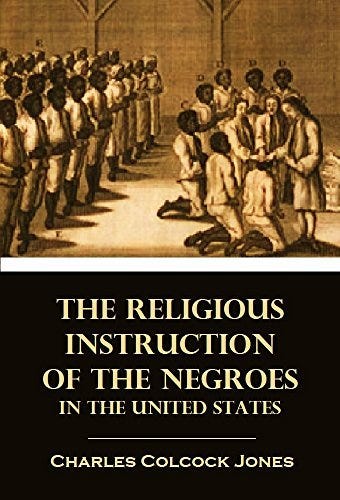
Jones outlined passages from the Bible that endorsed slavery and specifically told the enslaved to obey their White masters.
This is what viewers saw in the opening scene of “Harriet.”
When Sister Harriet decided to escape the living hell she was experiencing in Dorchester Counter, Maryland, she told her father of her plans to run away. Harriet Tubman was illiterate and her father knew she would have a difficult time making her way to freedom. He instructed his daughter to “Go see the preacher” before she set out on her own. Harriet was suspicious but she followed her father’s advice.
Harriet stole away to the preacher’s church and informed him that she was running away. That was when we discovered the preacher was a conductor on the Underground Railroad. He provided Harriett the instructions she needed to secure her freedom.
This preacher used the church as a cover to help liberate his people. He worked for the master during the day and served the masses in the evening. This scene illustrated how intelligent Africans subverted racist systems and laws to serve and save the members of their community.
We’ve seldom seen powerful scenes such as this in films about slavery.
Three Types of Enslaved Africans
Here’s the thread that runs through all three films.“The Wizard of Oz” showed us how con men seduce their prey.
“Wicked” showed us how enemies are manufactured, and how co-conspirators conspire.
“Harriet” revealed how religion was weaponized to keep us docile, and how some people subverted oppressive systems of enslavement.
The film “Harriet” also showed us something that Harriet Tubman clearly understood: Not every enslaved person responded to enslavement the same way.
Which reveals three distinct types of enslaved Africans Americans.
Type One: Accepted Enslavement
There was the enslaved who believed they deserved to be enslaved. They accepted their inferior status and didn’t resist their oppressors. Some cooperated with their enslavers and betrayed their own people.They accepted the lie that they were born in sin. They believed they would get their reward in heaven if they obeyed their masters.
Type Two: Mental Shackles
There were enslaved Africans who knew enslavement was wrong, but lacked the ability to free themselves, because their minds were enslaved.They couldn’t read. They couldn’t write. They couldn’t conceive of themselves as free because of the invisible shackles on their minds.
They didn’t know who they were before enslavement and accepted the lies imposed upon them by their enslavers and the church. They knew the system of enslavement was wrong, but they lacked the capacity to conceive of effect ways to overthrow that oppressive system.
But they embraced the possibility of freedom when it was introduced to them.
Type Three: Freedom or Death
The third type of enslaved person preferred freedom or death over enslavement. They were determined to secure one or the other. That’s who Harriet Tubman was. She represented the consciousness that enslavers and the church sought to suppress.Harriet Tubman, and those like her, overcame their fear of death and were willing to risk their lives for their freedom – and the freedom of others. They possessed a spirit of unbridled selflessness.
Harriet’s Legacy
We know Harriet’s story. She freed herself and then risked her freedom 19 times to free her family and other Africans. On June 2, 1863 (during the Civil War), Tubman led a Regiment of African American soldiers on a daring rescue mission in South Carolina. They destroyed Confederate supplies, worth millions of dollars, and freed nearly 800 enslaved Africans. It was one of the most significant events in American history, but very few people are aware of this important act of bravery.Toward the end of a distinguished career as an abolitionist, nurse, spy and scout, Tubman said that she freed hundreds of slaves but could have freed thousands more, if only they had known that they were slaves.
Four Question We Must Ask
There were enslaved Africans who accepted the lies imposed upon them by their Christian overlords and believed that enslavement was their fate.This historical truth begs answers to questions we must ask ourselves as we witness the daily erasure of our rights and our history:
- What is the value of a “slave religion?”
- How have we perpetuated enslaved religious traditions?
- How do we develop religious or spiritual traditions that validate our humanity?
- What are we willing to do to secure our freedom, and the freedom of those we love?
“Knowledge makes a man unfit to be a slave.”
The knowledge I share with you in these articles is intended to supplement information which has intentionally been withheld from you. Knowledge has the capacity to break the mental chains that restrict our ability to think freely.
The three types of mentally enslaved Africans described earlier, still exist.
- There are those who accept mental slavery without question – because they don’t know they’re mentally enslaved.
- There are those who know something is wrong but lack the ability to identify or correct the problems that have arrested their development.
- There are those willing to free themselves. They understand that freedom begins in the mind. They know that what they read, determines what they know, and what they know determines what they do.
Thanks for reading
Anthony Browder
PS.
I would love to see you at the launch of my new book: A Browder Perspective on Saturday January 17th at the Thurgood Marshall Center, Washington DC.
Whether you’re in DC or not, A Browder Perspective: My 50 Year Journey to Enlightenment can be purchased here today!
https://browderfile.substack.com/p/...Q.nYgTjJuOTpqHFYT-p7HZQ9oTs7OqdhlBji0wT2NuBQM


