'There Goes the Neighborhood' Tackles Brooklyn's Gentrification Problem
A A
Thursday, March 10, 2016 | 2 hours ago
 EXPAND
Graffiti inCondoburg Williamsburg.
Sookie
Gentrification has long been an issue in Brooklyn. As more people move into the borough, they continue to drive housing prices through the roof, usually disrupting long-standing communities in the process. But that's only part of the story — looking at you, city policymakers — and now a new WNYC podcast series is launching in order to tell it.
Last year, the Voice published the gentrifier's guide to not being an asshole, which went into depth about what prospective renters and owners can do to be respectful of the communities they're moving into. Meanwhile, in Bushwick, some residents have been fighting against the onslaught of gentrification — including Mayday Space's project "Mi Casa No Es Su Casa: Illumination Against Gentrification" and the neighborhood-driven radio station KPISS.FM.
Now, WNYC Studios and the Nation are tackling Brooklyn's gentrification problem with a series of podcasts that illuminate when, why, and how neighborhoods change over the years. There Goes the Neighborhood looks at the issues from both sides — talking to the people affected by these shifts and the ones ushering new developments into long-established communities.
Related Stories
"You know what's interesting, the other day I was walking in my neighborhood, and I saw a black, elderly gentleman that I hadn't seen in a couple months...and he literally — his eyes flew open and he said, 'You're still here!' And I went 'Yeah, and you're still here. Things have changed, haven't they?' And we were like 'Yeah.'"
The podcast readily addresses racism, systemic racism, and what happens when a neighborhood suddenly becomes "valuable" — i.e. "when white people decide they want to live there." This issue is reinforced in the story of a 30-year Bed-Stuy resident talking about the heartbreaking reasons she was pushed out of her home.
But There Goes the Neighborhood doesn't stop at the people being ousted from their homes. The podcast also looks at the other side of gentrification, going into the office of a developer to illuminate how they decide which places are on their radar to flip into money makers.
Listen to the first episode of There Goes the Neighborhood:
<iframe frameborder="0" scrolling="no" height="130" width="100%" src="https://www.wnyc.org/widgets/ondemand_player/neighborhood/#file=/audio/json/582288/&share=1"></iframe>
Every week we collect the latest news, music and arts stories — along with film and food reviews and the best things to do this week — so that you’ll never miss Village Voice's biggest stories.
There Goes the Neighborhood
Published in
There Goes the Neighborhood
Episode 1: Mouth to Ear
<iframe frameborder="0" scrolling="no" height="130" width="100%" src="https://www.wnyc.org/widgets/ondemand_player/neighborhood/#file=/audio/json/582288/&share=1"></iframe>
Email a Friend
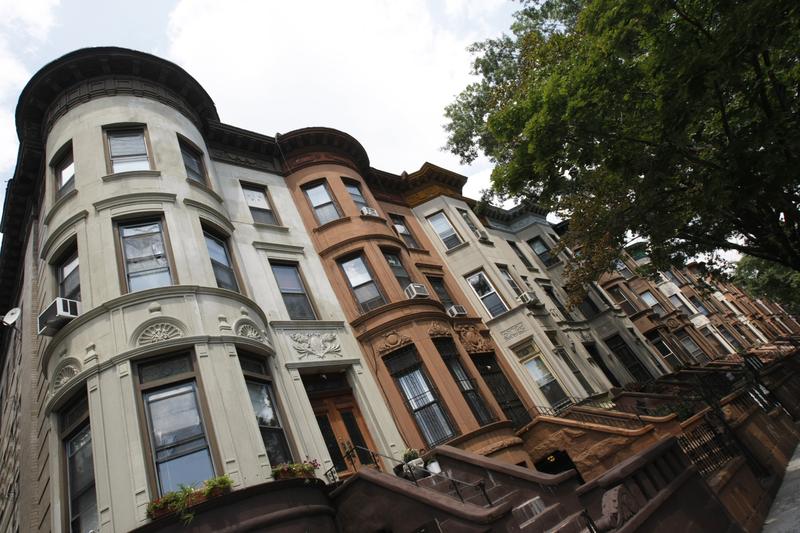
A row of brownstones in Bedford-Stuyvesant. Rents in some Brooklyn neighborhoods have doubled and tripled in recent years.
(Milbert O. Brown, Jr. / Howard University)
Mar 9, 2016
From The Nation and
Gentrification is something everyone is talking about -- and the conversation is often heated. It's a complicated idea with a range of factors: race, class, history, policy. And of course there is the personal experience that we each bring to the table.
Take a walk in Bedford-Stuyvesant with Monica Bailey, a resident of the neighborhood for more than 30 years. She'll show you the home she lost.
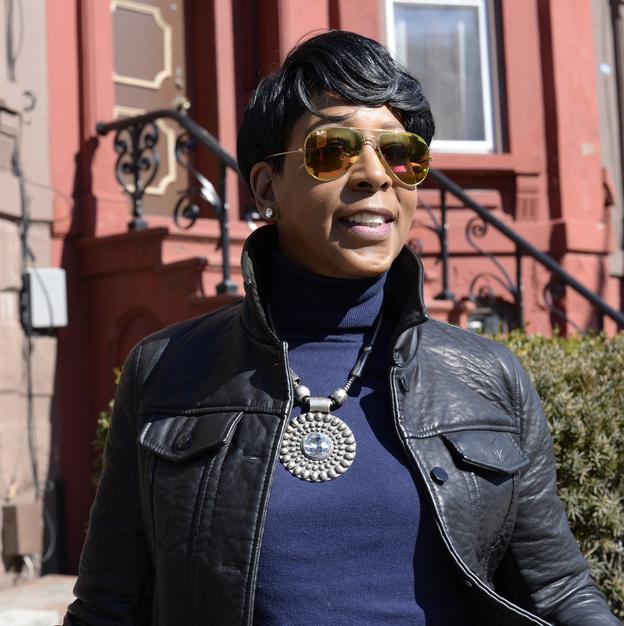
Monica Bailey was forced to leave her apartment after the owners of the building sold it to a Brooklyn developer who wanted it cleared out.
(Richard Yeh/WNYC)
Sit in the office of a Brooklyn developer and listen to him work the phones. He'll talk tactics for going after foreclosures.
These are the people affected by change -- and the people who are bringing it. Meet them up close and follow the wave of gentrification deeper into Brooklyn.
A A
- Facebook
81 - Twitter
http://www.twitter.com/search?q=htt...kles-brooklyns-gentrification-problem-8373400 - More shares
- 0
Thursday, March 10, 2016 | 2 hours ago
Graffiti in
Sookie
Gentrification has long been an issue in Brooklyn. As more people move into the borough, they continue to drive housing prices through the roof, usually disrupting long-standing communities in the process. But that's only part of the story — looking at you, city policymakers — and now a new WNYC podcast series is launching in order to tell it.
Last year, the Voice published the gentrifier's guide to not being an asshole, which went into depth about what prospective renters and owners can do to be respectful of the communities they're moving into. Meanwhile, in Bushwick, some residents have been fighting against the onslaught of gentrification — including Mayday Space's project "Mi Casa No Es Su Casa: Illumination Against Gentrification" and the neighborhood-driven radio station KPISS.FM.
Now, WNYC Studios and the Nation are tackling Brooklyn's gentrification problem with a series of podcasts that illuminate when, why, and how neighborhoods change over the years. There Goes the Neighborhood looks at the issues from both sides — talking to the people affected by these shifts and the ones ushering new developments into long-established communities.
Related Stories
- Check Out How These Bushwick Natives Are Protesting Hipster-Led Gentrification
- DIY Made the Radio Star: How a Brooklyn Station Is Changing the Game
- The Gentrifier’s Guide to Not Being an Asshole
"You know what's interesting, the other day I was walking in my neighborhood, and I saw a black, elderly gentleman that I hadn't seen in a couple months...and he literally — his eyes flew open and he said, 'You're still here!' And I went 'Yeah, and you're still here. Things have changed, haven't they?' And we were like 'Yeah.'"
The podcast readily addresses racism, systemic racism, and what happens when a neighborhood suddenly becomes "valuable" — i.e. "when white people decide they want to live there." This issue is reinforced in the story of a 30-year Bed-Stuy resident talking about the heartbreaking reasons she was pushed out of her home.
But There Goes the Neighborhood doesn't stop at the people being ousted from their homes. The podcast also looks at the other side of gentrification, going into the office of a developer to illuminate how they decide which places are on their radar to flip into money makers.
Listen to the first episode of There Goes the Neighborhood:
<iframe frameborder="0" scrolling="no" height="130" width="100%" src="https://www.wnyc.org/widgets/ondemand_player/neighborhood/#file=/audio/json/582288/&share=1"></iframe>
- Contact: Tatiana Craine
- Follow:
- Village Voice
- Village Voice
Every week we collect the latest news, music and arts stories — along with film and food reviews and the best things to do this week — so that you’ll never miss Village Voice's biggest stories.
There Goes the Neighborhood
Published in
There Goes the Neighborhood
Episode 1: Mouth to Ear
<iframe frameborder="0" scrolling="no" height="130" width="100%" src="https://www.wnyc.org/widgets/ondemand_player/neighborhood/#file=/audio/json/582288/&share=1"></iframe>
Email a Friend
A row of brownstones in Bedford-Stuyvesant. Rents in some Brooklyn neighborhoods have doubled and tripled in recent years.
(Milbert O. Brown, Jr. / Howard University)
Mar 9, 2016
From The Nation and
Gentrification is something everyone is talking about -- and the conversation is often heated. It's a complicated idea with a range of factors: race, class, history, policy. And of course there is the personal experience that we each bring to the table.
Take a walk in Bedford-Stuyvesant with Monica Bailey, a resident of the neighborhood for more than 30 years. She'll show you the home she lost.
Monica Bailey was forced to leave her apartment after the owners of the building sold it to a Brooklyn developer who wanted it cleared out.
(Richard Yeh/WNYC)
Sit in the office of a Brooklyn developer and listen to him work the phones. He'll talk tactics for going after foreclosures.
These are the people affected by change -- and the people who are bringing it. Meet them up close and follow the wave of gentrification deeper into Brooklyn.