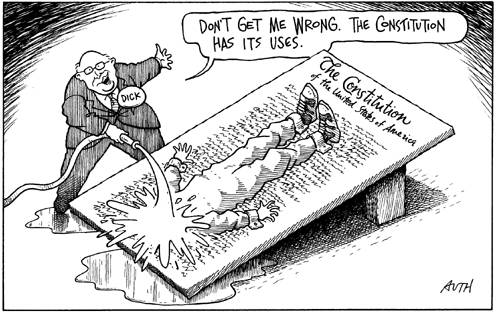
President Obama has to understand that the Republican Party is isolated. Dominated by the far right wing corporatists , but bolster by their allies in the mainstream media. The more things change, the more they stay the same.
source: New York Times
July 10, 2000
Roosevelt to War on 'Economic Royalists'; Hailed by Throngs in Acceptance Ceremony; Garner Named as Weary Convention Closes
--------------------------------------------------------------------------------
Battle Today Is Like That of 1776, He Says, With New Set of 'Royalists' in Power
By ARTHUR KROCK
Special to The New York Times
RANKLIN FIELD, PHILADELPHIA, June 27. -- Under a cloud-veiled moon, in skies suddenly cleared of rain, to a mass of more than 100,000 people gathered in the stadium of the University of Pennsylvania, and by radio to unnumbered millions all over the nation and world, Franklin Delano Roosevelt tonight accepted the renomination of the Democratic party for President of the United States and, avoiding personalities of any description, defined the issue of this campaign as it appears to him.
The President said that, as the fathers of the Republic had achieved political freedom from the eighteenth-century royalists, so it was the function of those who stand with him in this campaign to establish the economic freedom they also sought to establish, and which was lost in the industrial and corporate growth of the nineteenth and twentieth centuries.
Vice President John N. Garner of Texas, in this same place, renewed his pledge of allegiance to the President, made four years ago, and added a vow of fealty to the New Deal. The President was notified of his renomination by Senator Robinson of Arkansas, permanent chairman of the Democratic National Convention that closed today. Senator Harrison of Mississippi acted as proxy for Senator Barkley of Kentucky, temporary chairman, whose function it was to notify the Vice President, but who sailed for Europe on official business today.
Crowd Roars Its Enthusiasm
The arrival of the President in the stadium was greeted by a real demonstration, as distinguished from the artificial efforts of conventions. One hundred thousand people rose and roared unmistakable acclaim as Mr. Roosevelt entered the platform on the arm of his eldest son and clasped the hand of Vice President Garner while "The Star-Spangled Banner" was sung.
Thunderous cheer after cheer rolled out as the President finished, and, led by his mother, members of his family gathered about him. He mopped his brow, drank copiously of ice water and then stood waving his clasped hands above his head, while the tumult continued and the band played. Before Mr. Roosevelt left the stand on the arm of his son, James -- as he entered -- he waited for "Auld Lang Syne," and cheered its last echoes with the crowd. It was a personal triumph of the kind given to few men.
If the high tenor of his speech can be taken as an indication of what sort of campaign the President will conduct, Postmaster General Farley's prediction of the "dirtiest" contest of recent times will not be realized, so far as the chief protagonists of the parties are concerned, for Governor Alf M. Landon has implied the same tactics.
For Those Who Weary of Struggle
The only conceivable reference to Alfred E. Smith and other Democrats who have attacked him that the President made was when he said that some had grown weary of the struggle and relinquished their hope of democracy "for the illusion of a living." The crowd roared approval.
Informed by Senator Robinson that the administration "has vindicated the faith of plain people in the processes of democracy," and confounded those who demanded a dictatorship in 1933, the President took up this major theme, which is also sounded in the Philadelphia platform.
The following is a summary of the President's speech, which was more of a rededication of the New Deal to obtain and secure "economic freedom" than an acceptance speech, outlining a definite program, according to custom:
<SPAN style="BACKGROUND-COLOR: #ffff00">This occasion is for dedication to a simple and sincere statement of an attitude toward current problems. The speaker comes not only as party leader and candidate for re-election, but ''as one upon whom many critical hours have imposed and still impose a grave responsibility."
For loyalty in cooperation thanks are due the people, Democrats everywhere, Republicans in Congress, many local officials and especially those who have borne disaster bravely and ''dared to smile through the storm." The rescue was not the task of one party; the rally and survival were made together.
Fear which was the most dangerous foe in 1933, has been conquered. Yet all is far from well with the world. The United States is better off than most, but ''the rush of modern civilization" has created problems for solution if both political and economic freedom are finally to be attained.
The eighteenth-century Royalists sought to perpetuate their special privileges from the British Crown. They regimented the people in labor, religion and the right of assembly. The American Revolution was fought to win political freedom, and political tyranny was wiped out at Philadelphia July 4, 1776, when the Declaration was penned.
But modern industry and invention have raised new forces that produced new royalists and new dynasties, with new privileges which they seek to retain. Concentration of economic power pressed every citizen into service, and economic freedom -- the twin ideal, with political freedom, of Jefferson and Washington -- was lost again.
Small business men, with the worker and the farmer, were excluded from this new royalty. "New mercenaries sought to regiment the people." The average man once more confronts the problem faced by the Minute Men. He is entitled to a living that means something to live for as well as something to live by.
The collapse of 1929 revealed the new despotism for what it was. In the election of 1932 the people gave to the present administration a mandate to end it. It is being ended.
Freedom No Half-and-Half Affair
The modern royalists contend the economic slavery is nobody's business, and certainly not the government's. But the administration contends that freedom is no half-and-half affair; the citizen must be free in the market place as well as in the polling place.
To the complaint of the economic royalists that the New Deal seeks to overthrow American institutions, the President answer that what they really seek to retain is their kind of power, hidden behind the flag and the Constitution. But the flag and the Constitution stand for democracy and freedom, and no dictatorship either by the mob or the overprivileged.
"The brave and clear platform * * * to which I heartily subscribe," sets forth the inescapable obligations of the government, protection of family and home, establishment of equal opportunity and aid to the distressed. The opposition will beat down these words unless they are fought for, as for three years they have been maintained. The fight will go on as the convention has decreed.
Faith, hope and charity are not unattainable ideals, but stout supports of a nation struggling for freedom. The nation is poor indeed if it cannot lift from the unemployed the fear they are not needed in the world. That accumulates a deficit in human fortitude. The bearers of the standard of hope, faith and charity, instead of privilege, seek daily to profit from experience, to learn to do better.
The sins of the cold-blooded and of the warm-hearted are, as Dante say, weighed in different scales. The overt faults of a charitable government are preferable to the consistent omissions of an indifferent one.
This generation of Americans has a rendezvous with destiny. Some who have long fought for freedom have wearied and yielded their democracy. Success of the New Deal can revive them. The war is for the survival of democracy, to save "a great and precious form of government for ourselves and for the world."</SPAN>
The President accepts the nomination and is enlisted "for the duration of the war."
source: New York Times
July 10, 2000
Roosevelt to War on 'Economic Royalists'; Hailed by Throngs in Acceptance Ceremony; Garner Named as Weary Convention Closes
--------------------------------------------------------------------------------
Battle Today Is Like That of 1776, He Says, With New Set of 'Royalists' in Power
By ARTHUR KROCK
Special to The New York Times
RANKLIN FIELD, PHILADELPHIA, June 27. -- Under a cloud-veiled moon, in skies suddenly cleared of rain, to a mass of more than 100,000 people gathered in the stadium of the University of Pennsylvania, and by radio to unnumbered millions all over the nation and world, Franklin Delano Roosevelt tonight accepted the renomination of the Democratic party for President of the United States and, avoiding personalities of any description, defined the issue of this campaign as it appears to him.
The President said that, as the fathers of the Republic had achieved political freedom from the eighteenth-century royalists, so it was the function of those who stand with him in this campaign to establish the economic freedom they also sought to establish, and which was lost in the industrial and corporate growth of the nineteenth and twentieth centuries.
Vice President John N. Garner of Texas, in this same place, renewed his pledge of allegiance to the President, made four years ago, and added a vow of fealty to the New Deal. The President was notified of his renomination by Senator Robinson of Arkansas, permanent chairman of the Democratic National Convention that closed today. Senator Harrison of Mississippi acted as proxy for Senator Barkley of Kentucky, temporary chairman, whose function it was to notify the Vice President, but who sailed for Europe on official business today.
Crowd Roars Its Enthusiasm
The arrival of the President in the stadium was greeted by a real demonstration, as distinguished from the artificial efforts of conventions. One hundred thousand people rose and roared unmistakable acclaim as Mr. Roosevelt entered the platform on the arm of his eldest son and clasped the hand of Vice President Garner while "The Star-Spangled Banner" was sung.
Thunderous cheer after cheer rolled out as the President finished, and, led by his mother, members of his family gathered about him. He mopped his brow, drank copiously of ice water and then stood waving his clasped hands above his head, while the tumult continued and the band played. Before Mr. Roosevelt left the stand on the arm of his son, James -- as he entered -- he waited for "Auld Lang Syne," and cheered its last echoes with the crowd. It was a personal triumph of the kind given to few men.
If the high tenor of his speech can be taken as an indication of what sort of campaign the President will conduct, Postmaster General Farley's prediction of the "dirtiest" contest of recent times will not be realized, so far as the chief protagonists of the parties are concerned, for Governor Alf M. Landon has implied the same tactics.
For Those Who Weary of Struggle
The only conceivable reference to Alfred E. Smith and other Democrats who have attacked him that the President made was when he said that some had grown weary of the struggle and relinquished their hope of democracy "for the illusion of a living." The crowd roared approval.
Informed by Senator Robinson that the administration "has vindicated the faith of plain people in the processes of democracy," and confounded those who demanded a dictatorship in 1933, the President took up this major theme, which is also sounded in the Philadelphia platform.
The following is a summary of the President's speech, which was more of a rededication of the New Deal to obtain and secure "economic freedom" than an acceptance speech, outlining a definite program, according to custom:
<SPAN style="BACKGROUND-COLOR: #ffff00">This occasion is for dedication to a simple and sincere statement of an attitude toward current problems. The speaker comes not only as party leader and candidate for re-election, but ''as one upon whom many critical hours have imposed and still impose a grave responsibility."
For loyalty in cooperation thanks are due the people, Democrats everywhere, Republicans in Congress, many local officials and especially those who have borne disaster bravely and ''dared to smile through the storm." The rescue was not the task of one party; the rally and survival were made together.
Fear which was the most dangerous foe in 1933, has been conquered. Yet all is far from well with the world. The United States is better off than most, but ''the rush of modern civilization" has created problems for solution if both political and economic freedom are finally to be attained.
The eighteenth-century Royalists sought to perpetuate their special privileges from the British Crown. They regimented the people in labor, religion and the right of assembly. The American Revolution was fought to win political freedom, and political tyranny was wiped out at Philadelphia July 4, 1776, when the Declaration was penned.
But modern industry and invention have raised new forces that produced new royalists and new dynasties, with new privileges which they seek to retain. Concentration of economic power pressed every citizen into service, and economic freedom -- the twin ideal, with political freedom, of Jefferson and Washington -- was lost again.
Small business men, with the worker and the farmer, were excluded from this new royalty. "New mercenaries sought to regiment the people." The average man once more confronts the problem faced by the Minute Men. He is entitled to a living that means something to live for as well as something to live by.
The collapse of 1929 revealed the new despotism for what it was. In the election of 1932 the people gave to the present administration a mandate to end it. It is being ended.
Freedom No Half-and-Half Affair
The modern royalists contend the economic slavery is nobody's business, and certainly not the government's. But the administration contends that freedom is no half-and-half affair; the citizen must be free in the market place as well as in the polling place.
To the complaint of the economic royalists that the New Deal seeks to overthrow American institutions, the President answer that what they really seek to retain is their kind of power, hidden behind the flag and the Constitution. But the flag and the Constitution stand for democracy and freedom, and no dictatorship either by the mob or the overprivileged.
"The brave and clear platform * * * to which I heartily subscribe," sets forth the inescapable obligations of the government, protection of family and home, establishment of equal opportunity and aid to the distressed. The opposition will beat down these words unless they are fought for, as for three years they have been maintained. The fight will go on as the convention has decreed.
Faith, hope and charity are not unattainable ideals, but stout supports of a nation struggling for freedom. The nation is poor indeed if it cannot lift from the unemployed the fear they are not needed in the world. That accumulates a deficit in human fortitude. The bearers of the standard of hope, faith and charity, instead of privilege, seek daily to profit from experience, to learn to do better.
The sins of the cold-blooded and of the warm-hearted are, as Dante say, weighed in different scales. The overt faults of a charitable government are preferable to the consistent omissions of an indifferent one.
This generation of Americans has a rendezvous with destiny. Some who have long fought for freedom have wearied and yielded their democracy. Success of the New Deal can revive them. The war is for the survival of democracy, to save "a great and precious form of government for ourselves and for the world."</SPAN>
The President accepts the nomination and is enlisted "for the duration of the war."