


Ground beef in the fridge turned gray instead of red. Is it rotten already
| Georgia Lynn Contributing Writer |
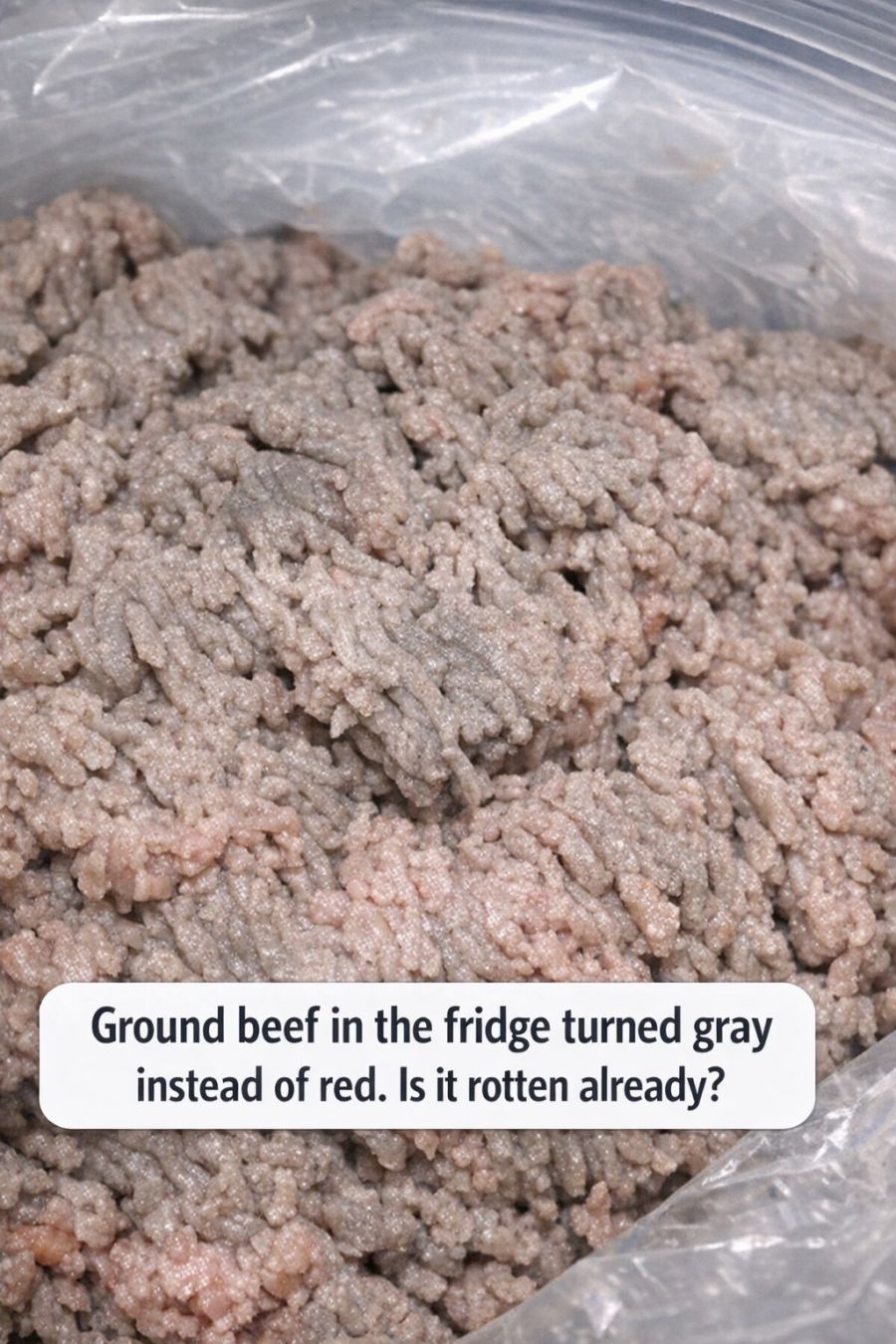
Like to see more from CooktopCove.com Print this recipe Ground beef is a staple in many households, known for its versatility and ability to adapt to a variety of recipes. However, it can be concerning when you open the fridge to find that your once vibrant red ground beef has turned an unappetizing gray. This change in color often leads to questions about the freshness and safety of the meat. Understanding why ground beef changes color and whether this indicates spoilage is crucial for maintaining food safety and avoiding unnecessary waste. This article will delve into the science behind the color change in ground beef, helping you to determine whether your gray ground beef is still safe to eat. Advertisement 1. Why Fresh Ground Beef Is Red in the First PlaceFresh ground beef appears red due to the presence of a protein called myoglobin, which is abundant in muscle tissue. Myoglobin is responsible for transporting oxygen in muscle cells, and when it is exposed to oxygen, it forms oxymyoglobin, which gives meat its bright red color. The red color is often associated with freshness by consumers, but it is not always an accurate indicator of freshness. In fact, the red color can be maintained with the use of modified atmosphere packaging, which involves the addition of oxygen to the packaging to keep meat looking red longer. 2. The Science of Oxidation: How Air Turns Beef Gray When ground beef is exposed to air, the oxygen interacts with the myoglobin on the surface of the meat, turning it red. However, as the meat sits in the fridge, the oxygen can penetrate deeper, leading to a process called oxidation. This process converts oxymyoglobin into metmyoglobin, which results in a grayish-brown color. Oxidation is a natural process and does not necessarily mean that the meat is spoiled. The rate of oxidation can be influenced by factors such as temperature, light exposure, and the amount of oxygen present. Typically, ground beef stored properly in the refrigerator can remain safe to eat for 1 to 2 days, even if it has turned gray on the outside. 3. Gray on the Outside vs. Gray in the Middle: What It Really Means It's important to distinguish between gray meat on the surface and gray meat throughout. If the gray color is only on the outer layer of the ground beef, it's likely due to exposure to air and oxidation. However, if the interior of the meat is gray or brown, it might be an indication that the meat is beginning to spoil. Ground beef that is gray throughout might have been stored for too long or at improper temperatures. It's essential to monitor other signs of spoilage, such as smell and texture, to make an informed decision about the meat's safety. 4. Smell Test: The Fastest Way To Tell If Gray Beef Is Rotten The most reliable method to determine if ground beef is spoiled is to use your sense of smell. Fresh ground beef has a mild, neutral smell. If the meat has a sour, rancid, or off-putting odor, it is a clear indication that it has gone bad. Always conduct a smell test in a well-ventilated area to avoid any confusion with surrounding odors. If you're unsure, it's better to err on the side of caution and dispose of the meat. 5. Texture and Sliminess: Another Red Flag for Spoilage In addition to smell, the texture of ground beef can also indicate spoilage. Fresh ground beef should have a firm texture and break apart easily. If the meat feels slimy or sticky to the touch, it is a sign that bacteria have started to grow, and the beef is no longer safe to consume. Checking texture in conjunction with odor can give a more comprehensive assessment of the meat's condition. 6. Use-By Dates, Storage Time, and Fridge Temperature Rules Keeping track of use-by dates and storage times is crucial for food safety. Ground beef should be used or frozen within 1 to 2 days of purchase. If freezing, it can be safely stored for up to 4 months. Refrigerators should be kept at a temperature of 40°F (4°C) or below to prevent bacterial growth. Use a fridge thermometer to ensure your appliance is maintaining a safe temperature. 7. When It’s Still Safe To Cook (And When To Toss It) Ground beef that is gray only on the outside is often still safe to cook, provided it passes the smell and texture tests. Cooking ground beef to an internal temperature of 160°F (71°C) ensures that harmful bacteria are killed. If the ground beef fails the smell or texture tests, or if it is past its use-by date, it is best to discard it to avoid potential foodborne illnesses. 8. How Cooking Changes Color—and Why Brown Meat Can Be Perfectly Fine Cooking ground beef causes a Maillard reaction, which results in browning and enhances flavor. This reaction occurs at temperatures above 285°F (140°C), and is a normal part of cooking. Brown ground beef that has been cooked to the appropriate temperature is safe to eat, even if it started out gray, as the heat kills any bacteria present. 9. Smart Storage Hacks To Keep Ground Beef Red Longer To maintain the red color of ground beef, store it in the coldest part of the refrigerator and minimize exposure to air. Vacuum sealing can help by removing air and slowing down oxidation. Another effective method is to freeze ground beef as soon as you bring it home. Freezing halts the oxidation process and preserves the meat's color until you're ready to use it. 10. When in Doubt: Simple Safety Rules To Protect Your Kitchen When handling ground beef, it's important to follow basic food safety practices. Always wash your hands before and after handling raw meat, and use separate cutting boards and utensils to prevent cross-contamination. Advertisement When in doubt about the safety of any meat, it's better to discard it. The risks associated with consuming spoiled meat far outweigh the cost of replacement, ensuring the health and safety of you and your family. |

