

Ornette Coleman Dies at 85; Composer and Saxophonist Reshaped Jazz
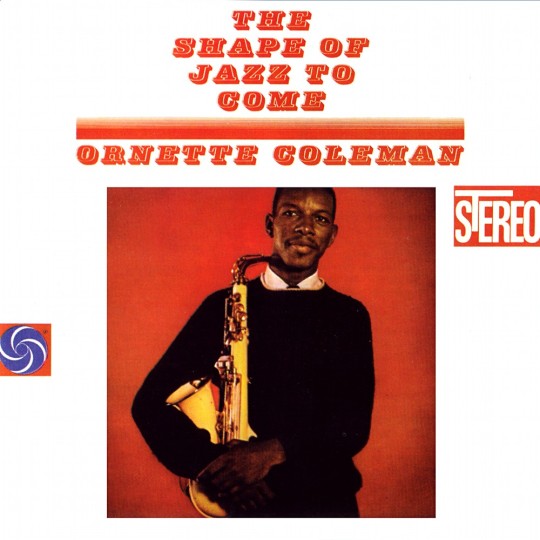
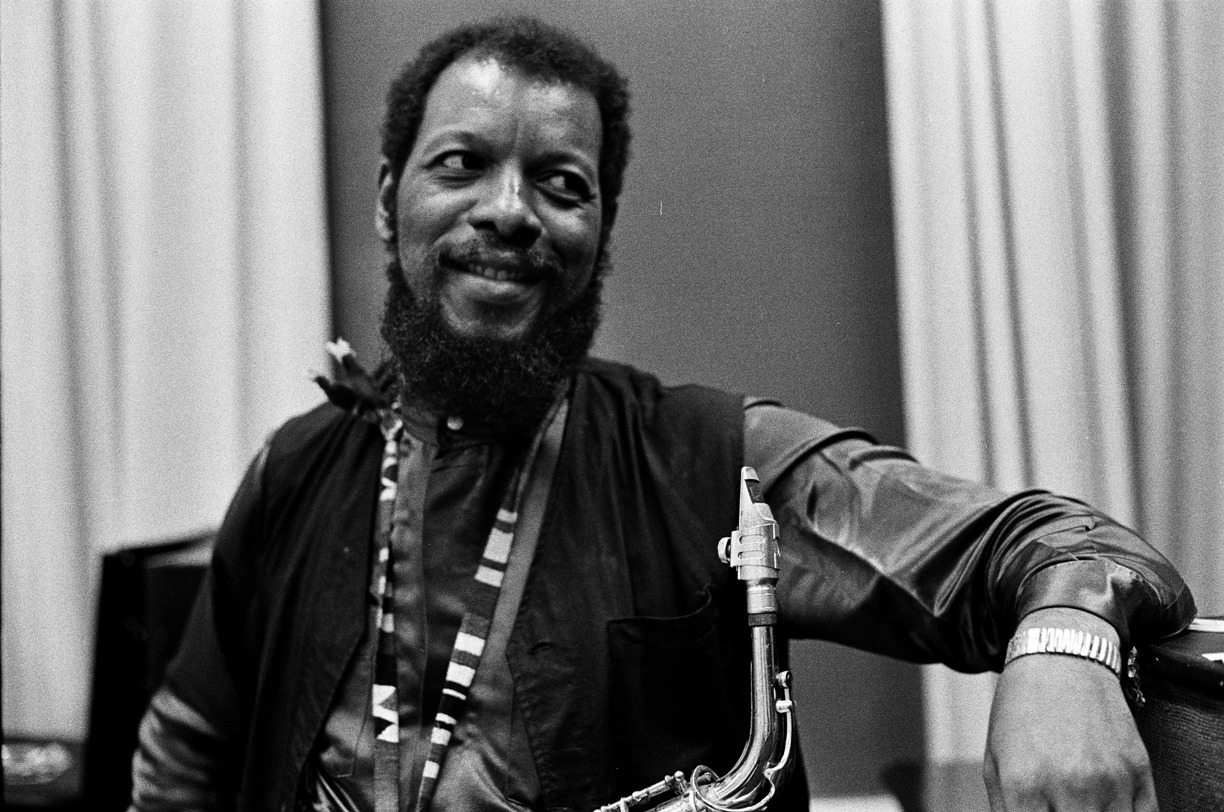
Ornette Coleman, the alto saxophonist and composer who was one of the most powerful and contentious innovators in the history of jazz, died on Thursday morning in Manhattan. He was 85.
The cause was cardiac arrest, a representative of the family said.
Mr. Coleman widened the options in jazz and helped change its course. Partly through his example in the late 1950s and early ’60s, jazz became less beholden to the rules of harmony and rhythm, and gained more distance from the American songbook repertoire. His own music, then and later, became a new form of highly informed folk song: deceptively simple melodies for small groups with an intuitive, collective language, and a strategy for playing without preconceived chord sequences. In 2007, he won the Pulitzer Prize for his album “Sound Grammar.”
His early work — a kind of personal answer to his fellow alto saxophonist and innovator Charlie Parker — lay right within the jazz tradition and generated a handful of standards among jazz musicians of the last half-century. But he later challenged assumptions about jazz from top to bottom, bringing in his own ideas about instrumentation, process and technical expertise.
http://www.nytimes.com/2015/06/12/a...man-jazz-saxophonist-dies-at-85-obituary.html
Ornette Coleman, the alto saxophonist and composer who was one of the most powerful and contentious innovators in the history of jazz, died on Thursday morning in Manhattan. He was 85.
The cause was cardiac arrest, a representative of the family said.
Mr. Coleman widened the options in jazz and helped change its course. Partly through his example in the late 1950s and early ’60s, jazz became less beholden to the rules of harmony and rhythm, and gained more distance from the American songbook repertoire. His own music, then and later, became a new form of highly informed folk song: deceptively simple melodies for small groups with an intuitive, collective language, and a strategy for playing without preconceived chord sequences. In 2007, he won the Pulitzer Prize for his album “Sound Grammar.”
His early work — a kind of personal answer to his fellow alto saxophonist and innovator Charlie Parker — lay right within the jazz tradition and generated a handful of standards among jazz musicians of the last half-century. But he later challenged assumptions about jazz from top to bottom, bringing in his own ideas about instrumentation, process and technical expertise.
http://www.nytimes.com/2015/06/12/a...man-jazz-saxophonist-dies-at-85-obituary.html

 RIP, brother Coleman.


