


You won't be able to go nowhere without wearing latex gloves and carrying a bottle of industrial strength hand sanitizer... some dipshit brought that shit to the firehouse about 15 years ago.... I caught it and literally spent the next three days on my knees in front of the toilet heaving, to the point where there was nothing left to come out, and then dry heaving...... and then the shitz....YOU...DO...NOT....WANT...THIS 
sidebar: some nasty fuck wiped his ass, didn't wash their hands, then touched a door knob or something else and it was off to the races.....


A norovirus that causes extreme vomiting is on the rise again.
Why it matters: Nicknamed the "winter vomiting disease," the highly contagious norovirus has arrived weeks ahead of expectations, per the CDC.
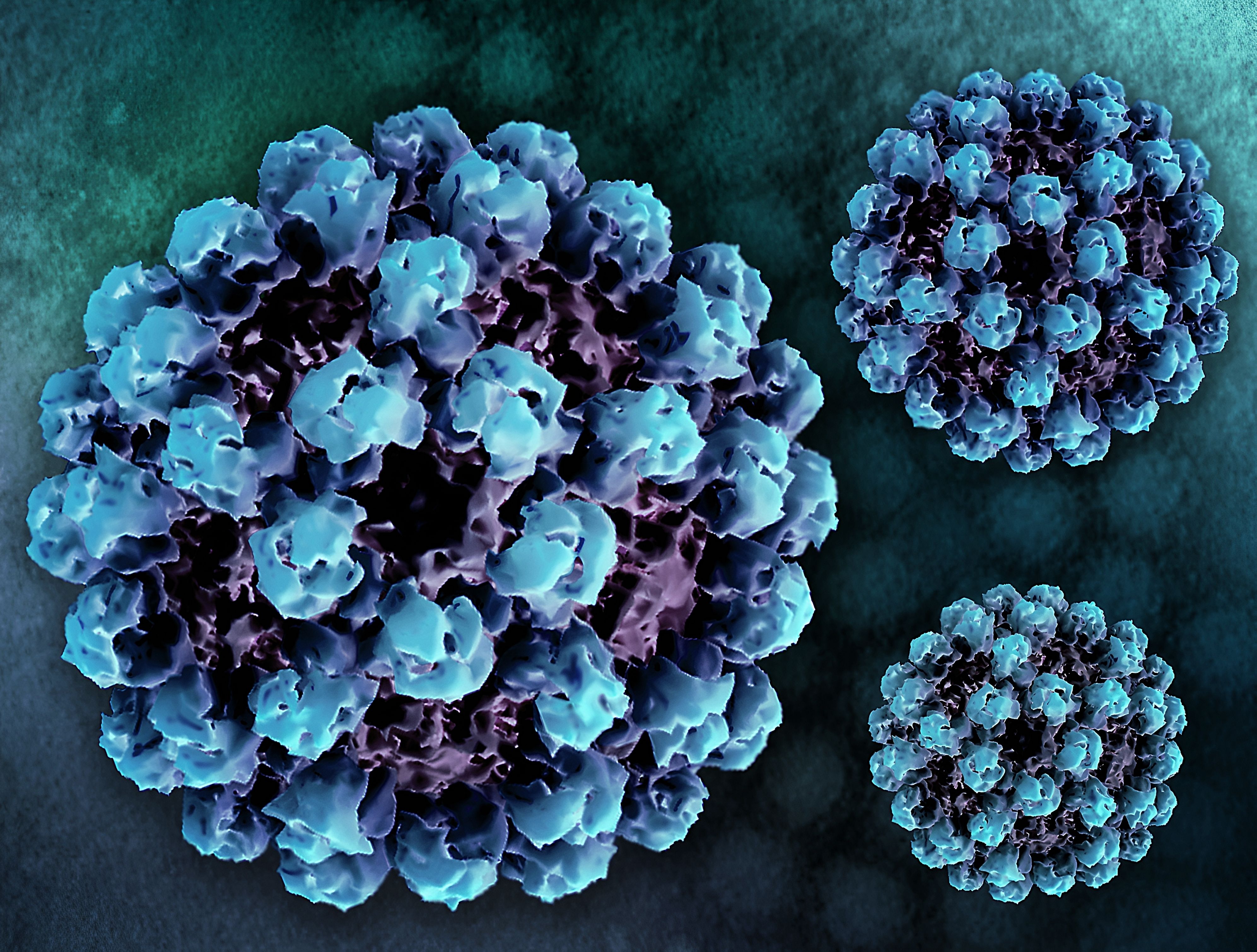 Composite image showing 3D norovirus virus-like particles overlaid on a transmission electron micrograph of norovirus.
 Oysters and other shellfish recalled over norovirus risk are shown.
Case in point: One doctor told the AMA that someone could get the norovirus by using the same bathroom as someone who had been visiting a family member who was recovering from the bug.
 A crew member sanitizes a deck of a cruise ship in January 2019 that docked due to a suspected outbreak of norovirus.
sidebar: some nasty fuck wiped his ass, didn't wash their hands, then touched a door knob or something else and it was off to the races.....
A norovirus that causes extreme vomiting is on the rise again.
Why it matters: Nicknamed the "winter vomiting disease," the highly contagious norovirus has arrived weeks ahead of expectations, per the CDC.
- It's surging as cases of whooping cough, or pertussis, are spiking and the dangers of COVID and the flu loom.
- The sickness could require medical attention or even hospitalization for immunocompromised people, the elderly and little kids, the CDC says.
- About 14% of tests for norovirus came back positive during the week of Nov. 15, double the roughly 7% positivity three months ago, the CDC data show.
- Test positivity, though imperfect, generally helps health officials understand how many people are confirmed to have an illness when it is suspected.
- Since then, positivity rates generally began to drop nationwide, until the recent spike.
What is the norovirus?
Norovirus can cause extreme cases of vomiting and diarrhea due to the inflammation of the stomach and intestines, per the CDC.- This is why some refer to norovirus as the "extreme vomiting disease."
- Norovirus is also the top cause of vomiting and diarrhea, the CDC says.
- Roughly 20 million people contract the norovirus every year, per Scientific American.
- Norovirus is different than the "stomach bug" or "stomach flu," and is not related to the flu, which comes from the influenza virus.
Norovirus symptoms to watch for:
There are common symptoms with the norovirus, which develop within 12 to 48 hours of contracting the virus, including:- Diarrhea
- Vomiting
- Nausea
- Stomach pain
- Dehydration (often caused by extreme vomiting and diarrhea)
Who is at risk for norovirus?
Norovirus outbreaks can impact all age groups. Children and older adults are the most vulnerable to severe infections, the CDC says.- And, per the CDC, people can get the illness many times because there are several different types of norovirus.
- Your likelihood of getting norovirus may be determined by your genes, the CDC says.
How does norovirus spread?
The norovirus is super contagious and spreads quickly, according to multiple health officials, mainly through drops of body fluids or contact with contaminated surfaces or food.- "Norovirus is a human virus that is typically transmitted by the fecal-oral route," Robyn Chatman, a Cincinnati-based physician, told the American Medical Association. "That just means that we've handled something that is contaminated, and once it's on our hands, we do all kinds of things with our hands."
- The virus can linger for several days or weeks, and spread quickly through highly populated environments like nursing homes, day care centers and cruise ships, the AMA reports.
Case in point: One doctor told the AMA that someone could get the norovirus by using the same bathroom as someone who had been visiting a family member who was recovering from the bug.
Norovirus outbreaks, explained
An "outbreak" of the norovirus is defined by the CDC as when two or more similar illnesses come from a common exposure that is either "suspected or laboratory-confirmed to be caused by norovirus."- There are about 2,500 outbreaks every year. CDC says there were 153 norovirus outbreaks reported between Aug. 1 to Nov. 13.
- Last year, the CDC said there 69 outbreaks by the final week of November. In 2023, the U.S. saw 65 outbreaks in the first week of December, AP reports.
How to prevent the spread of norovirus
Proper handwashing can help limit the spread of the illness, per the CDC.- The CDC also recommends cooking shellfish thoroughly and washing fruits and vegetables.
- Cleaning and disinfecting surfaces can also stop the spread.
Treatment for "winter vomiting disease"
There is no specific cure for the norovirus, according to the Cleveland Clinic. But symptoms typically die off within one to three days.- Health officials recommend drinking plenty of liquids with electrolytes, rest, and eat bland foods to help manage your symptoms


